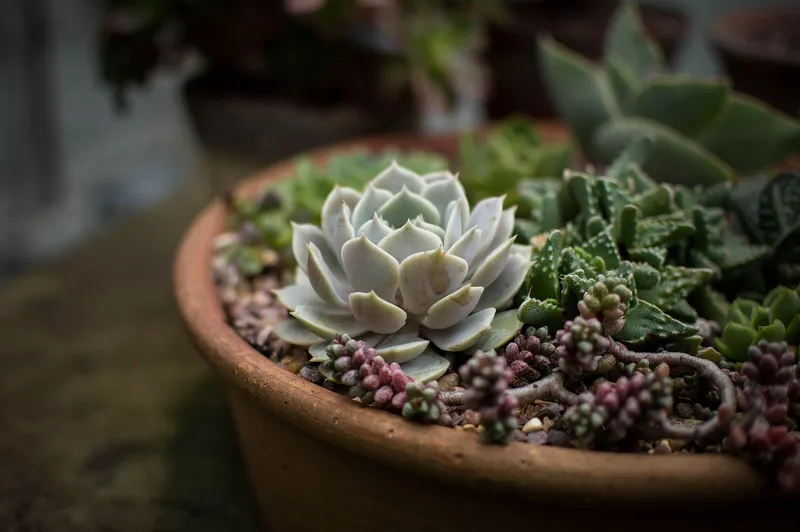
Have you ever brought home a stunning Echeveria that looked like a perfect, frosty desert rose, only to watch it slowly transform into a sad, pale, stretched-out mess? It's a classic heartbreak for plant lovers, and often, it feels like the succulent is just deciding to quit on you for no reason at all. You've given it water, a nice spot on the shelf, and plenty of love, yet it still seems to be heading toward an early grave.
The truth is that Echeverias are incredibly communicative plants, but they speak a language most of us don't understand right away. In this guide, we're going to dive into the subtle, "secret" mistakes that are likely stressing your plants out. By the end of this, you'll know exactly how to pivot your care routine so your succulents stay compact, vibrant, and healthy for years to come.
1. Starving Them of Direct Sunlight
Echeverias are absolute sun-worshippers, originating from the bright, arid regions of Mexico and Central America. When they don't get enough light, they start a process called etiolation. This is when the plant literally stretches its stem toward the nearest light source, losing its compact rosette shape and turning a pale, sickly green.
Most indoor spaces are actually much darker than we realize. Even a spot a few feet away from a window can be 50% less bright than the windowsill itself. If your Echeveria is starting to look "tall" or "leggy," it's screaming for more light. Try to give them at least six hours of bright, direct sunlight every day.
If your windows aren't up to the task, don't be afraid to invest in a small LED grow light. It's a game-changer for keeping those tight, colorful rosettes through the winter months. Just remember to acclimate them slowly to any increase in light to avoid "sunburn" on the leaves.
2. Following a Strict Watering Schedule
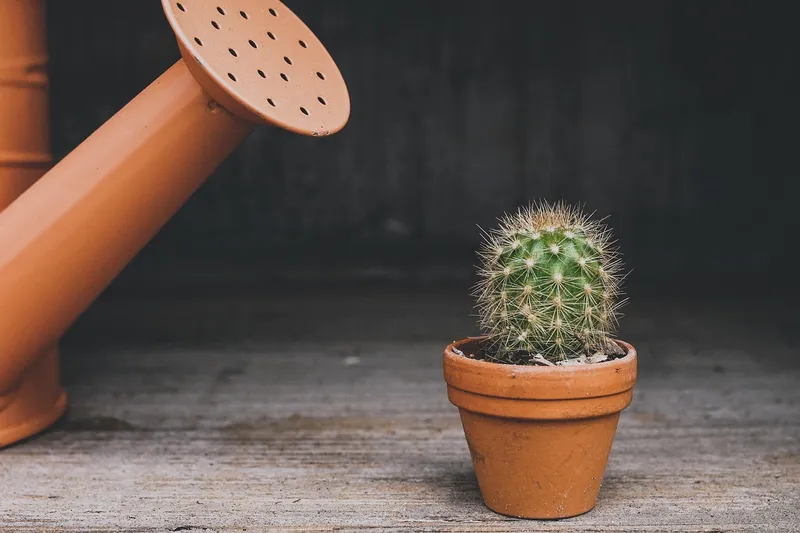
One of the fastest ways to kill a succulent is to treat it like a tropical houseplant. If you're watering your Echeveria every Tuesday just because it's "watering day," you might be setting it up for root rot. These plants store massive amounts of water in their thick, fleshy leaves for survival during droughts.
Instead of a schedule, use the "soak and dry" method. This means you should only water the plant when the soil is completely, 100% dry from top to bottom. You can check this by sticking a wooden skewer deep into the pot; if it comes out damp or with soil clinging to it, walk away.
When you do water, soak the soil until water runs out of the drainage holes. This encourages deep root growth. Then, let the soil dry out entirely before even thinking about grabbing the watering can again. In the winter, you might find you only need to water once a month.
3. Watering Directly Into the Rosette
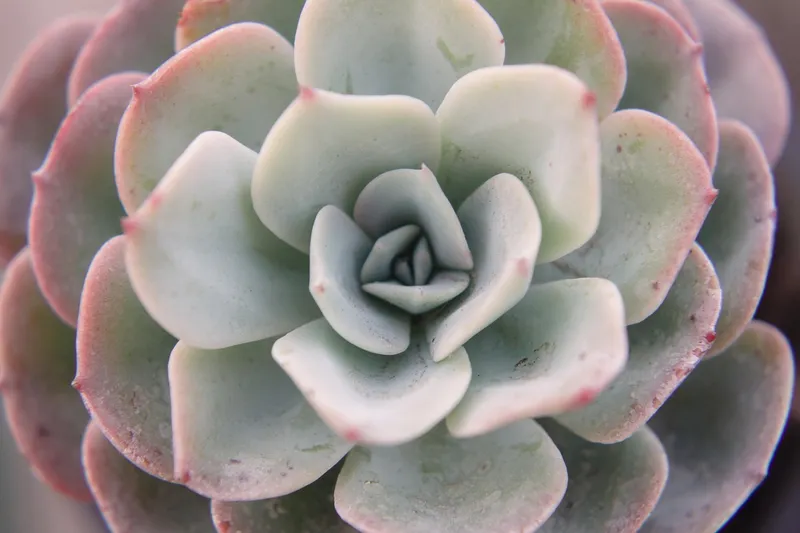
This is a sneaky mistake that catches a lot of beginners off guard. When you water from the top and let droplets sit in the center of the rosette, you're creating a breeding ground for fungus and rot. Because Echeveria leaves are so tightly packed, that water doesn't evaporate easily.
Within a few days, the center of the plant can turn black and mushy. Once "heart rot" sets in, the plant is usually a goner. Always aim your watering can at the soil, tucked under the bottom leaves, rather than over the top of the plant.
If you do accidentally get water in the crown, you can gently blow it out or use a paper towel corner to soak it up. Many pro growers prefer "bottom watering," where you sit the pot in a tray of water and let the soil wick the moisture up through the drainage holes. This keeps the foliage perfectly dry.
4. Using Standard Potting Soil
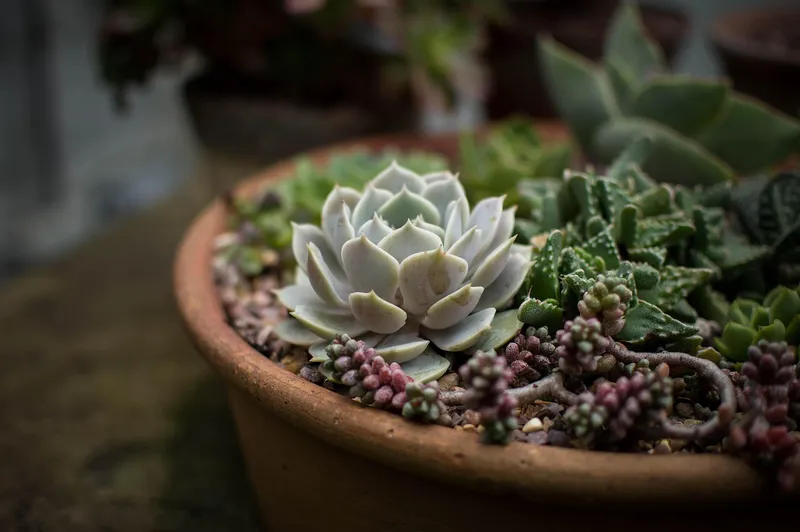
That "All-Purpose Potting Mix" you use for your Pothos or Philodendrons is a death sentence for an Echeveria. Standard soil is designed to hold onto moisture, which is the exact opposite of what a succulent needs. If the roots sit in damp soil for more than a couple of days, they will begin to suffocate and rot.
Echeverias need a "gritty" mix that drains almost instantly. You want a medium that is primarily made of inorganic materials like perlite, pumice, coarse sand, or chicken grit. A good rule of thumb is to mix 50% succulent soil with 50% perlite or pumice.
When you squeeze a handful of damp succulent soil, it should fall apart immediately when you open your hand. If it stays in a clump, it's too heavy. Improving your soil mix is the single most effective way to prevent the dreaded "overwatering" symptoms.
5. Choosing Pots Without Drainage
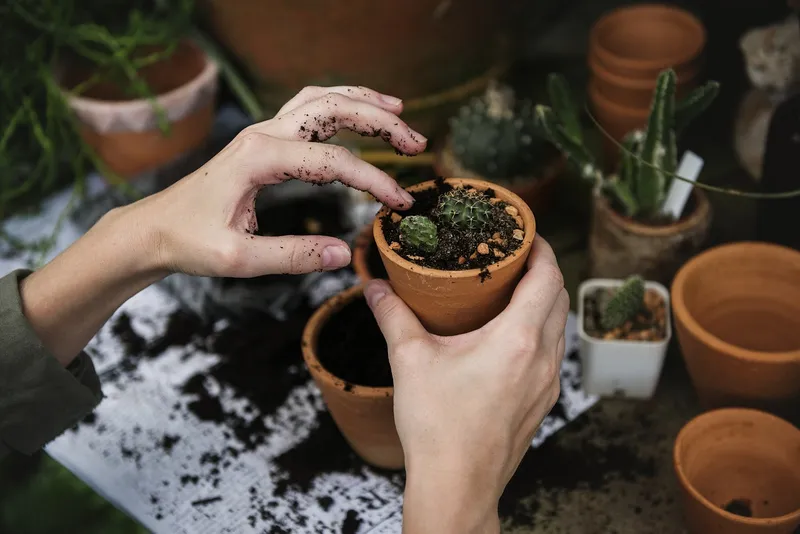
I know, those cute ceramic planters at the home store are hard to resist. But if they don't have a hole at the bottom, they are essentially a decorative coffin for your Echeveria. Without drainage, excess water pools at the bottom of the pot, creating a swampy environment that kills roots in record time.
If you absolutely love a pot without a hole, use it as a "cachepot." Keep your Echeveria in a slightly smaller plastic nursery pot with holes, and simply tuck that inside the pretty decorative one. This way, you can take the plant to the sink to water it and let it drain completely before putting it back.
Terracotta is often the best choice for beginners. The porous clay breathes, which helps pull excess moisture out of the soil. This provides an extra layer of protection against accidental overwatering, which we've all been guilty of at some point.
6. Touching the Leaves (Wiping the "Dust")
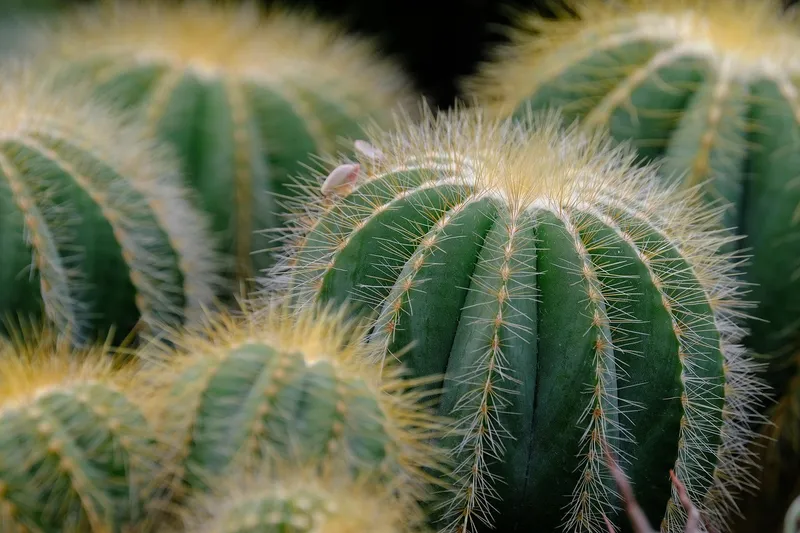
Have you noticed that many Echeverias have a soft, matte, or powdery look to their leaves? That's not dust - it's called "farina" or epicuticular wax. This coating serves as the plant's natural sunscreen and raincoat, protecting it from intense UV rays and preventing water from soaking into the leaf tissue.
Farina is extremely delicate. Once you touch it, the oils from your fingers rub it off, leaving permanent fingerprints or "bruised" looking spots. Unlike a dusty leaf on a Fiddle Leaf Fig, farina does not grow back. Those smudges will stay there until the leaf eventually dies and falls off naturally.
To keep your plants looking pristine, always handle them by the base of the stem or the very underside of the bottom leaves. If you need to clean off actual dust, use a soft makeup brush or a gentle puff of air rather than wiping them down with a cloth.
7. Ignoring the "Winter Sleep"

Most Echeverias go into a semi-dormant state during the winter months when the days get shorter and temperatures drop. During this time, their metabolic rate slows down significantly. They aren't growing much, so they don't need nearly as much fuel as they do in the spring.
The mistake people make is continuing to water and fertilize at the same rate they did in the summer. This is a recipe for disaster. Because the plant isn't using the water for growth, the soil stays wet for much longer, leading to rot. Furthermore, forcing growth with fertilizer during dormancy can lead to weak, distorted leaves.
When the clocks turn back and the light dims, start backing off. Reduce your watering frequency by half and stop fertilizing entirely until you see new growth in the spring. Listen to the plant - it wants a rest!
8. Crowding Them Too Closely
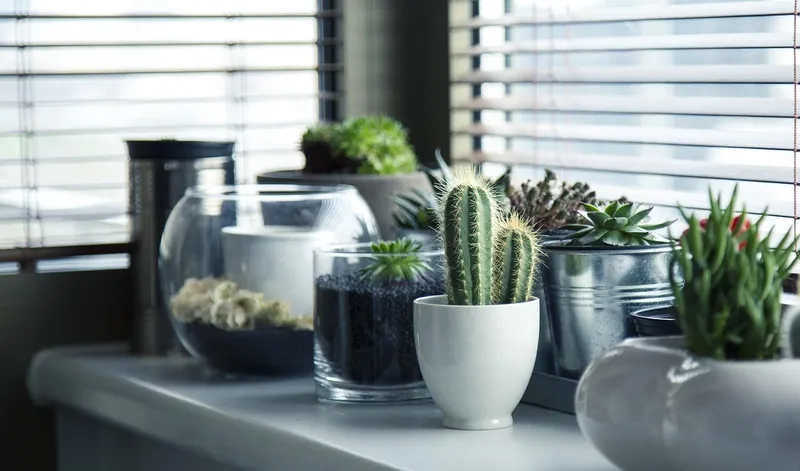
Succulent arrangements look amazing in photos, but Echeverias need their personal space. When you pack several plants tightly into one container, you significantly reduce the airflow around the base of the plants. Stagnant air is a major contributor to fungal infections and pest outbreaks.
In their natural habitat, Echeverias usually have plenty of breeze to dry out any moisture. Indoors, things are much more still. Give your plants at least an inch or two of space between their leaves and their neighbors.
Good airflow also helps the soil dry out faster after watering. If your house is particularly humid or still, running a small fan in the room can make a world of difference. It keeps the environment fresh and prevents the damp, heavy air that succulents despise.
9. Over-Fertilizing for "Fast Growth"

Echeverias are slow growers by nature. They aren't like sunflowers that shoot up inches in a week. Many well-meaning owners try to speed things up by adding heavy doses of fertilizer. Unfortunately, Echeverias are very sensitive to salts and chemicals found in commercial fertilizers.
Too much fertilizer can actually "burn" the roots and cause the leaves to grow in a misshapen, bloated way. It can also cause a flush of soft, weak growth that is much more susceptible to pests like aphids. They really only need a little bit of help during their active growing season.
If you feel the need to feed them, use a balanced succulent fertilizer diluted to half or even quarter-strength. Apply it once in the spring and maybe once in mid-summer. That's more than enough to give them the nutrients they need without overwhelming their delicate systems.
10. Overlooking Mealybug Hiding Spots

Mealybugs are the arch-nemesis of the Echeveria. These tiny, white, cottony insects love to hide in the tightest crevices near the center of the rosette or tucked under the bottom leaves. Because they are so small and hide so well, you might not notice them until you have a full-blown infestation.
If you see a sticky residue on the leaves or what looks like tiny bits of lint, take a closer look. These pests suck the sap out of the plant, causing the leaves to wrinkle, yellow, and eventually die. If left unchecked, they can spread to your entire collection in a heartbeat.
Check your plants weekly. If you find a bug, a Q-tip dipped in 70% isopropyl alcohol is your best friend. Simply dab the bugs to kill them on contact. If the infestation is deep in the rosette, you can spray the whole plant with the alcohol - don't worry, it evaporates quickly and won't hurt the plant as long as it's not in direct sun while wet.
11. Keeping Them in High Humidity

If you're thinking about putting your Echeveria in the bathroom to liven things up, you might want to reconsider. While some plants love the steam from your morning shower, Echeverias are desert plants that thrive in dry air. High humidity prevents moisture from evaporating, both from the soil and from the leaves themselves.
In a humid environment, Echeverias are much more prone to powdery mildew and various types of leaf rot. They prefer a humidity level of around 30% to 50%, which is typical for most living rooms or kitchens. If you live in a very humid climate, you have to be even more careful with your watering habits.
Stick to bright, dry areas of the house. If you notice the leaves feeling "soft" or "bendy" even when the soil is dry, it might be a sign that the air is too heavy for them. Keeping them in a spot with good circulation and lower humidity will keep those leaves firm and healthy.
Your Echeveria Journey Starts Now
Growing Echeverias can feel like a high-stakes game of trial and error, but once you stop making these common mistakes, the results are incredibly rewarding. These plants don't ask for much - just a lot of light, very little water, and a bit of personal space. They are remarkably resilient, and even a plant that has been stretched or slightly overwatered can often be saved with a quick change in environment.
The next time you look at your succulent, try to see it through the lens of its natural desert home. Is it getting that bright, hot sun? Is the soil as dry as a desert floor? Is the air moving freely around it? When you align your care with the plant's natural instincts, it will stop struggling and start thriving. You've got this - now go give those plants the "tough love" they actually want!