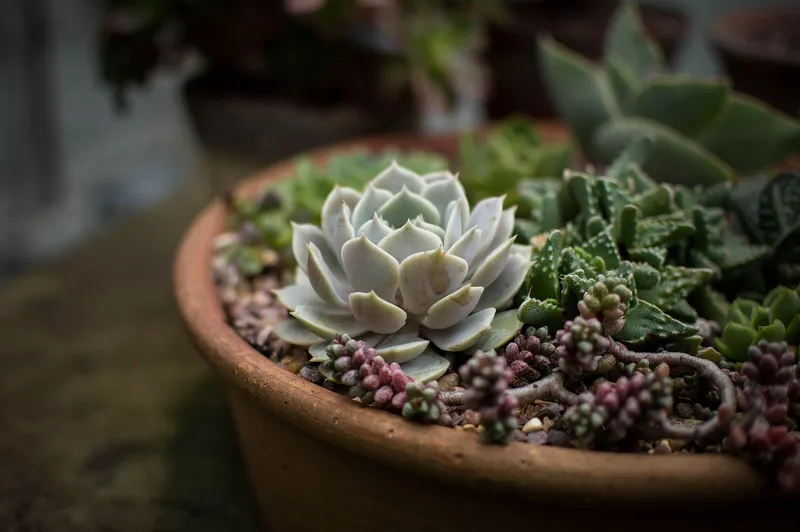
Have you ever brought home a plump, vibrant Echeveria only to watch it turn into a yellow, mushy mess just two weeks later? It is a heartbreak most of us in the plant community know all too well, and usually, the culprit isn't a lack of love - it's actually too much of it in the form of water. Succulents are desert survivors, and when they sit in damp soil for too long, their roots literally begin to drown because they can't "breathe" through the heavy, wet earth.
The secret to keeping these desert beauties happy lies in one word: drainage. While most people think a hole in the bottom of the pot is enough, we are going to explore how decorative stones can be your secret weapon for creating the perfect environment. In this guide, we'll look at twelve unexpected ways to use stones to transform your soil from a soggy sponge into a fast-draining paradise that your plants will love.
1. Creating a Grit-Heavy "Internal Skeleton"
Most commercial succulent mixes are still a bit too heavy on peat moss, which holds onto water like a thirsty sponge. By mixing small, decorative river stones or fine gravel directly into the soil - roughly a 1:1 ratio - you are essentially creating an internal skeleton for the dirt. This prevents the soil from compacting over time and creates tiny "highways" for water to travel through quickly.
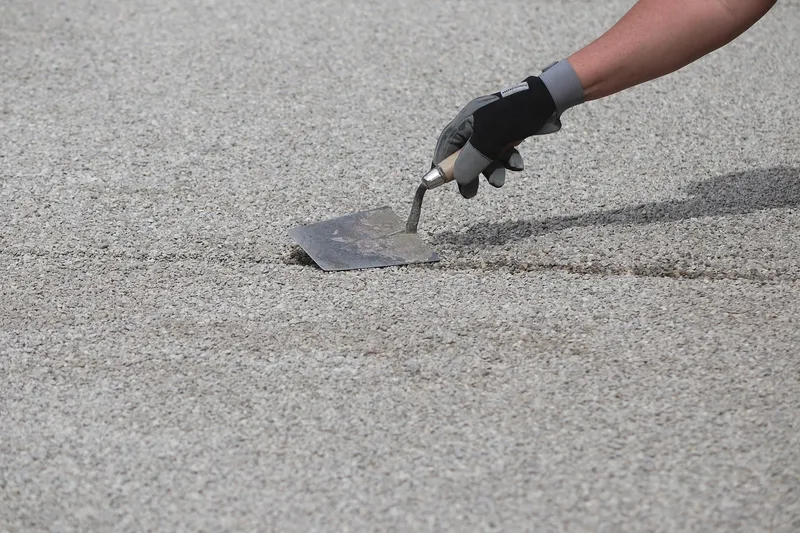
Think of it like adding structural support to a building; the stones keep the soil particles apart. This ensures that even when you do water deeply, the excess liquid finds its way out of the pot before it can do any damage. Plus, the weight of the stones helps anchor smaller succulents that might otherwise tip over in light, airy soil.
2. The "Neck Protector" Gravel Collar
One of the most common places for a succulent to start rotting is at the "neck," where the fleshy leaves meet the soil surface. If that soil stays damp, the moisture creeps into the leaves and starts the dreaded rot from the top down. A "gravel collar" is a layer of decorative stones placed specifically around the base of the plant to keep the foliage off the wet ground.

This technique is a total game-changer for sensitive species like Lithops or fuzzy Echeverias. By using non-porous stones like polished pebbles, you ensure that the area touching the plant dries out almost instantly after watering. It looks incredibly professional and clean, but its functional purpose is far more valuable than its aesthetic appeal.
3. Using Stones as "Pot Feet" for Airflow
Sometimes the problem isn't the soil inside the pot, but the fact that the pot is sitting flat on a saucer or shelf. This creates a vacuum effect that prevents water from dripping out of the drainage hole. You can use three or four larger, flat decorative stones placed underneath the pot to act as "feet," lifting it just a half-inch off the surface.
This simple lift allows air to circulate underneath the drainage hole, which significantly speeds up the drying process of the soil at the bottom of the pot. It's an easy, budget-friendly alternative to buying expensive ceramic pot risers. When air can reach the bottom of the root ball, you're much less likely to deal with stagnant water and the root rot that follows.
4. The Pumice Pocket Strategy
Pumice is a volcanic rock that is naturally porous, meaning it's filled with tiny air bubbles that can hold onto just a tiny bit of moisture while letting the rest pass through. Instead of mixing it evenly, try creating "pockets" of decorative pumice stones near the root zone. These pockets act like little oxygen tanks for your plant's roots, ensuring they never fully suffocate even if you accidentally overwater.
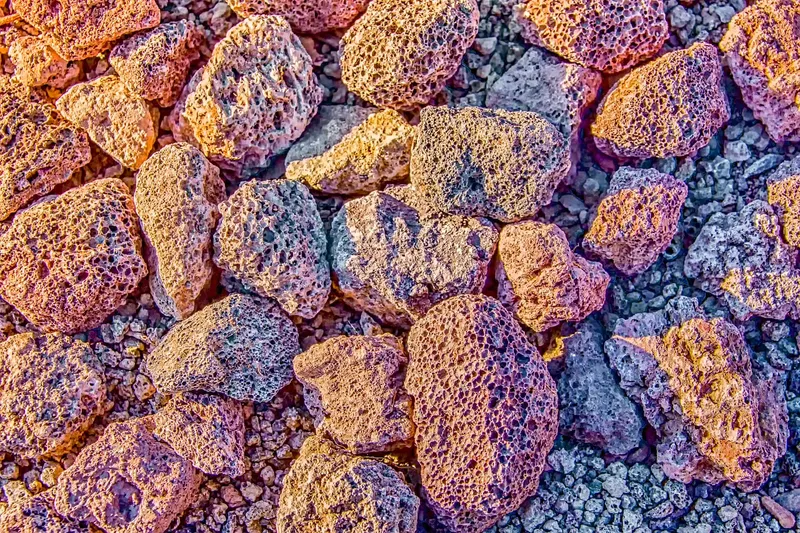
Because pumice is quite light, it won't make your pots overly heavy if you have a large collection on a shelf. It also has a beautiful, neutral white or grey look that fits any decor style. When you use these stones in concentrated areas, you're creating zones of high aeration that encourage the roots to grow stronger and reach further.
5. Building a DIY Humidity Tray
Wait, don't succulents hate humidity? Generally, yes, but some tropical succulents like Christmas Cacti or String of Hearts actually appreciate a tiny bit of ambient moisture without having wet roots. By filling a shallow tray with decorative stones and adding a small amount of water - keeping the water level below the top of the stones - you create a "humidity tray."
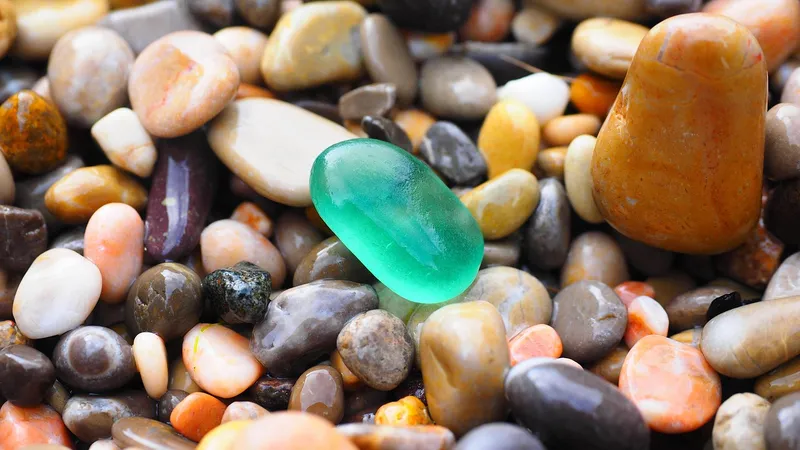
You then place your succulent pot on top of the stones, ensuring the bottom of the pot never actually touches the water. As the water in the tray evaporates, it increases the local humidity around the leaves while the soil in the pot stays perfectly dry. This is a brilliant way to keep your plants happy in dry, air-conditioned rooms during the summer or near heaters in the winter.
6. Mechanical Drainage with Crushed Granite
Crushed granite, often sold as "chicken grit" or decorative landscape stone, has sharp, jagged edges that are fantastic for drainage. Unlike smooth river stones, these jagged edges create irregular gaps in the soil that water simply cannot cling to. This is called "mechanical drainage" because it physically forces the water to move downward through the force of gravity.
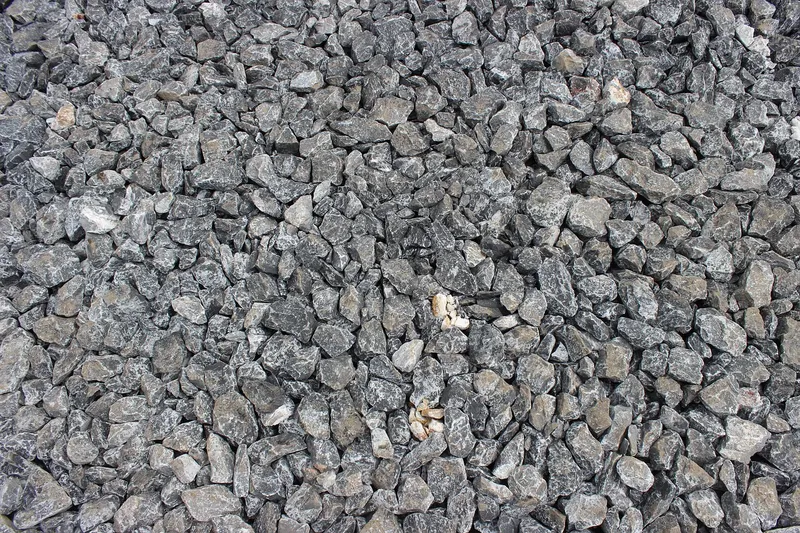
Using crushed granite is particularly effective for "winter-grower" succulents that are active when the air is naturally cooler and more humid. It provides a heavy, stable base that prevents the soil from shifting when you move the pots. Just make sure to rinse the granite first to remove any fine dust that could accidentally clog up the very air holes you're trying to create!
7. Lava Rock Aeration Layers
Red or black lava rocks are iconic in succulent gardening for a reason: they are incredibly rough and full of holes. While many people advise against "layers" at the bottom of a pot (which can actually raise the water table), using lava rocks as a decorative mulch or a soil amendment works wonders. Their high surface area allows for maximum gas exchange between the soil and the air.
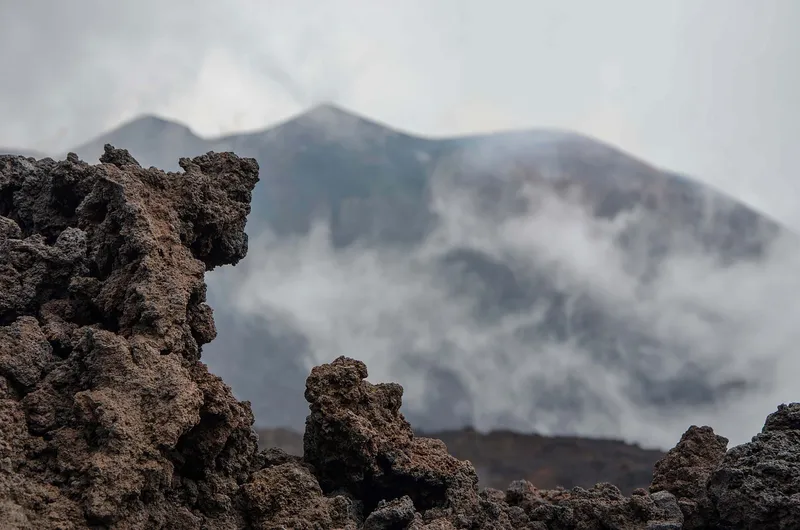
If you use them as a top dressing, they don't just look cool - they actually help break the surface tension of water when you pour it from a watering can. This prevents the water from "funneling" down one side of the pot and ensures the entire root system gets a quick, even drink before the water drains away. Plus, the dark colors of lava rock absorb heat, which can help keep the roots of sun-loving succulents warm.
8. Surface Tension Breaking with White Pebbles
Have you ever noticed that when you water a pot with bare soil, the water sometimes just sits on top in a big bubble before suddenly disappearing down a single hole? This is due to surface tension and soil compaction. Adding a layer of small white decorative pebbles on the surface helps "shatter" the stream of water as it hits the pot, distributing it more gently across the entire surface.
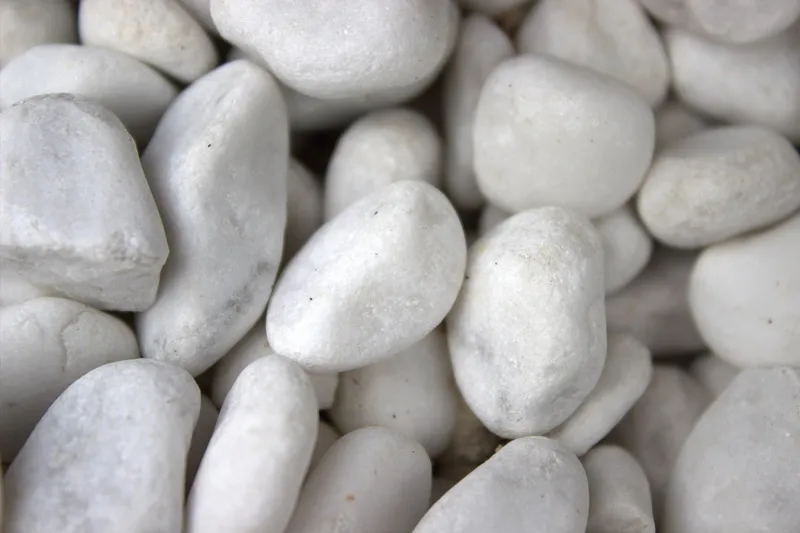
This gentle distribution prevents "trenching," where water carves a path straight through the soil and out the bottom without actually soaking into the root ball. It's a subtle way that stones improve drainage by making sure the water moves through the soil evenly rather than bypassing it entirely. And let's be honest, nothing looks cleaner than a bright green Haworthia popping against a bed of snowy white stones.
9. Weighted Base for Tall Succulents
For taller succulents like Snake Plants or large Jade trees, top-heaviness is a real risk, especially in light, well-draining soil. To solve this without using heavy, moisture-retentive clay soil, use large decorative river stones at the very bottom - but only if you mix them with plenty of smaller grit to avoid the "perched water table" effect. This adds a low center of gravity to the pot.
When the base is weighted with stones, you can afford to use a much lighter, faster-draining soil mix on top without worrying about the plant toppling over every time there's a breeze. It allows you to use those beautiful, tall, slender pots that might otherwise be a tip-hazard. Stability and drainage can actually go hand-in-hand if you choose your stones wisely.
10. Polished Stones for Slow-Release Hydration
While we usually worry about too much water, sometimes in the height of summer, succulents in small pots can dry out *too* fast, causing the roots to shrivel and die. Polished stones, which have a smooth, non-porous coating, can be used as a top dressing to slightly slow down evaporation from the soil surface. This isn't about keeping the soil wet, but rather about preventing it from becoming "bone dry" in under an hour.
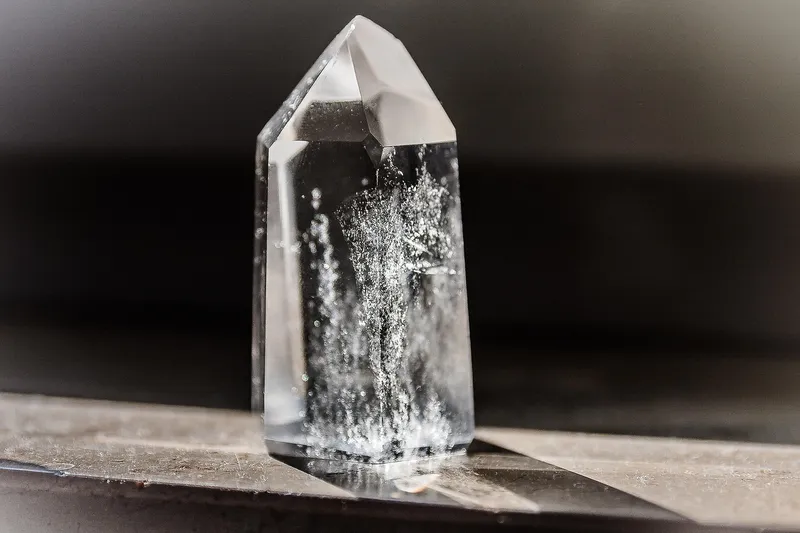
It's a balancing act. By covering about 80% of the soil surface with these stones, you allow enough room for the soil to breathe through the gaps while keeping the core of the root ball cool and slightly hydrated. This is a great trick for succulents kept on hot, south-facing windowsills where the sun can be brutal. It's essentially a "mulch" that doesn't rot or attract bugs like wood chips would.
11. Using Sea Glass for Light Reflection
This is a bit of a "pro tip" for indoor gardeners. Using translucent decorative stones or tumbled sea glass as a top dressing can actually reflect light back up onto the undersides of your succulent's leaves. Poor light often leads to "etiolation" (stretching), and stretching leads to weaker plants that are more susceptible to rot because their metabolism slows down.

When you reflect light back up, the plant's overall health improves, its metabolism stays high, and it "drinks" the water in the soil faster. Faster water consumption by the plant is the most natural form of drainage there is! Plus, the frosted look of sea glass adds a whimsical, coastal vibe to your indoor garden that standard brown or grey stones just can't match.
12. The French Drain Method for Large Planters
If you have a very large outdoor succulent planter, you can mimic a "French drain" by placing a vertical column of large stones right down the center of the pot before filling it with soil. This creates a direct chimney for air to reach the middle of the root mass and for excess water to drop straight to the bottom and out. It is a bit more work during the planting phase, but it pays off in plant longevity.
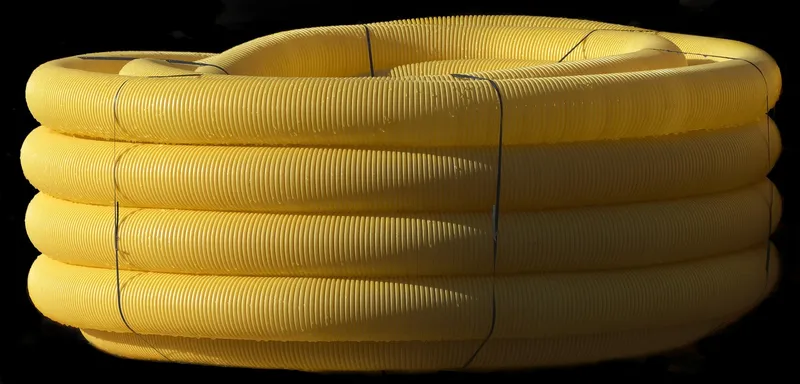
In massive containers, the soil in the very center can often stay wet for weeks because it's so far from the air. This stone chimney breaks up that "dead zone" and ensures that the entire container is an aerobic, healthy environment. It's a technique used by landscape architects that works just as well for your backyard succulent collection.
At the end of the day, growing succulents is all about mimicking the rugged, rocky environments they call home. By thinking of decorative stones as more than just a pretty "finish," you can create a drainage system that works with nature rather than against it. Don't be afraid to experiment with different stone sizes and types; your plants will quickly show you what they like through new growth and vibrant colors. Happy planting, and here is to many years of rot-free, thriving succulents!