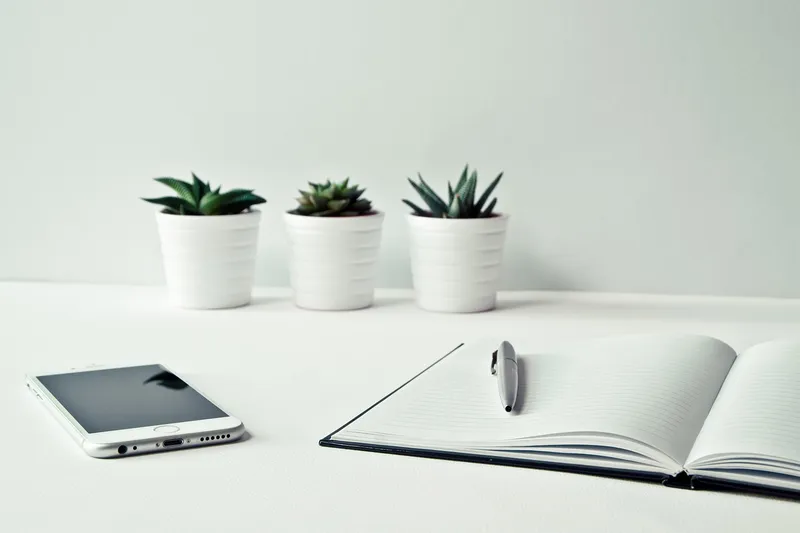
Ever feel like your office desk is a bit of a "plant graveyard"? You buy a beautiful, plump succulent, set it next to your monitor, and three weeks later, it's stretched out like a piece of taffy and looking incredibly sad. It's a common struggle for those of us working in cubicles or basement offices where the only "sunlight" comes from humming overhead fluorescent tubes and the glow of a dual-monitor setup.
The good news is that you don't need a massive floor-to-ceiling window to enjoy some greenery at work. Some succulents have evolved to thrive in the deep shadows of rocky crevices or beneath dense forest canopies, making them perfect roommates for your low-light desk. In this guide, we're diving into 14 resilient beauties that can handle the dim life and still look stunning.
1. The Indestructible Snake Plant
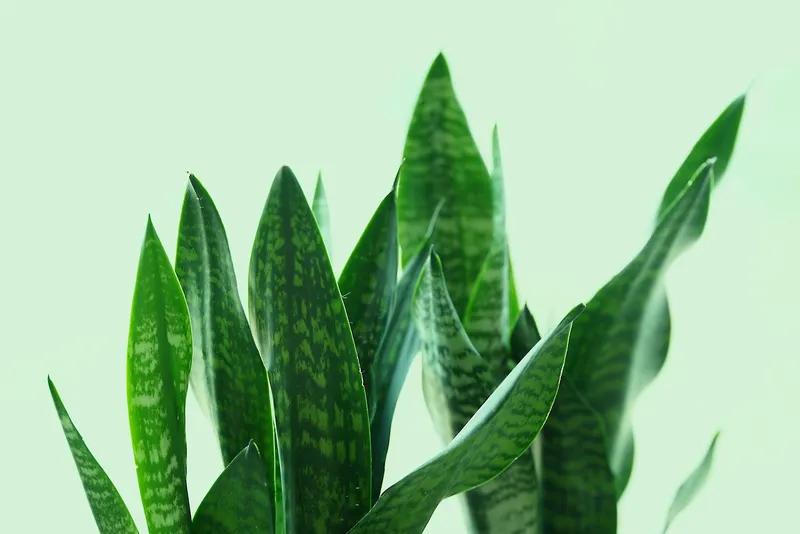
If there were an award for the "easiest plant to keep alive in a dungeon," the Snake Plant (Sansevieria) would win every single year. These plants are famous for being almost impossible to kill. They feature stiff, sword-like leaves that shoot straight up, which is perfect for saving precious desk space.
Snake plants are masters of efficiency. They can sit in a dark corner for weeks without complaining, and they actually prefer to be left alone. In fact, more people kill them by overwatering than by neglecting them in the dark. Just give it a splash of water once a month, and it will be your loyal desk companion for years.
There are many varieties, from the tall "Laurentii" with yellow edges to the compact "Hahnii" or Bird's Nest Snake Plant. The smaller versions are especially great for cramped cubicles. They even help clean the air, which is a nice bonus when the office ventilation feels a bit stale.
2. Zebra Cactus (Haworthiopsis fasciata)

The Zebra Cactus is often mistaken for a tiny Aloe, but it's much more tolerant of low-light conditions. It gets its name from the striking white horizontal stripes that wrap around its dark green, pointy leaves. It looks like something straight out of a designer boutique, but it's surprisingly low-maintenance.
Because these plants stay small - usually under six inches - they won't take over your workspace. They grow slowly, meaning you won't have to worry about repotting them every few months. They handle artificial office lighting like absolute champs.
When watering, just make sure you don't let water sit in the "crown" or center of the plant. That can lead to rot in a low-light environment where evaporation happens slowly. A quick drink at the base of the plant every few weeks is plenty to keep it happy.
3. Gasteria (Ox Tongue)
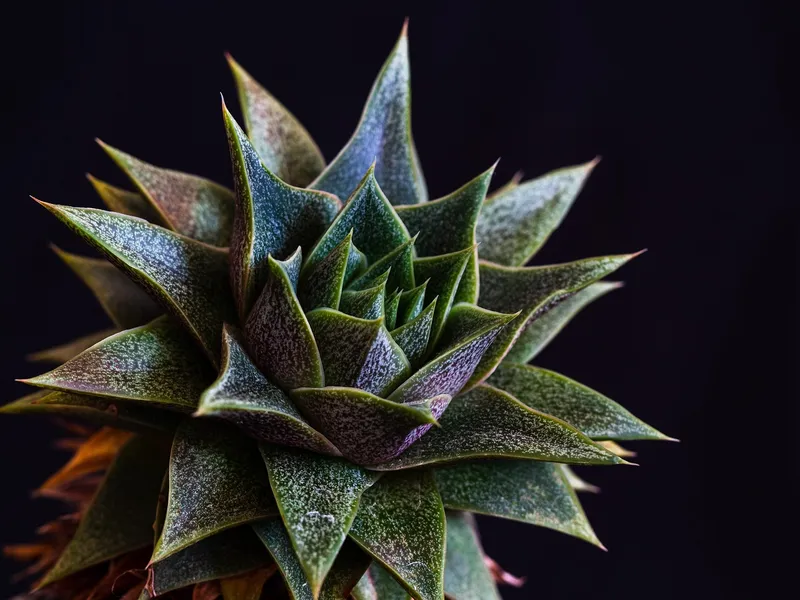
Gasteria plants are the quirky cousins of the succulent world. They are often called "Ox Tongue" because their thick, flat leaves have a rough, sandpaper-like texture. These plants are native to shaded areas in South Africa, so they are naturally adapted to life without direct sun.
They are incredibly slow growers, which is a huge plus for desk dwellers. You won't have to worry about them outgrowing their spot or becoming "leggy" (stretching toward the light) as quickly as other succulents. Their deep green color often features cool patterns or white bumps that add a lot of visual interest.
Gasteria is also quite tough. It can handle the occasional dry spell if you head off on a week-long vacation and forget to ask a colleague to water it. It's a sturdy, reliable plant that adds a touch of the exotic to your workspace.
4. ZZ Plant (Zamioculcas zamiifolia)
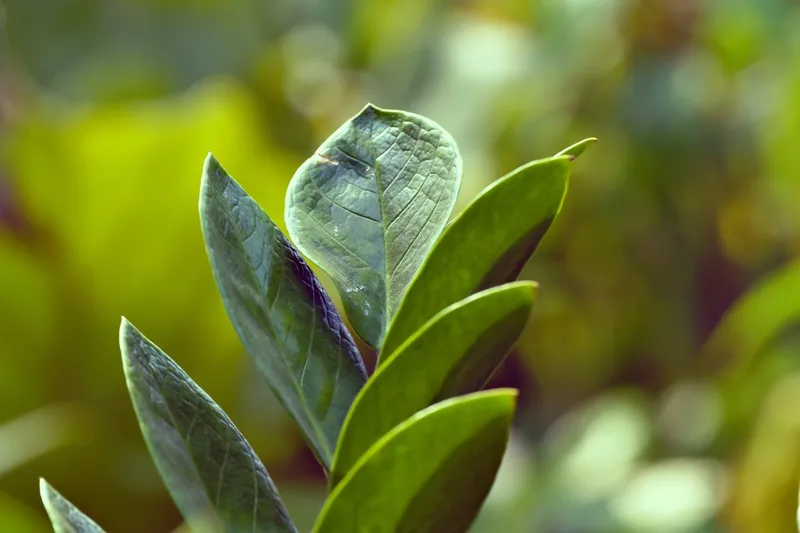
While some purists argue the ZZ plant isn't a "true" succulent, it functions exactly like one. It stores water in thick, potato-like rhizomes under the soil and in its fleshy stems. This makes it one of the most drought-tolerant and light-tolerant plants on the planet.
The ZZ plant has glossy, waxy leaves that reflect light, making it look vibrant even in a windowless room. It almost looks fake because it's so perfect and shiny. If you have a dark desk that feels a bit gloomy, the ZZ plant will instantly brighten things up.
It's also very forgiving of inconsistent care. If you're the type of person who gets hyper-focused on work and forgets the world exists, the ZZ plant is your soulmate. It can go for a month without water in a low-light setting and still look like it just came from the nursery.
5. Jade Plant (Crassula ovata)
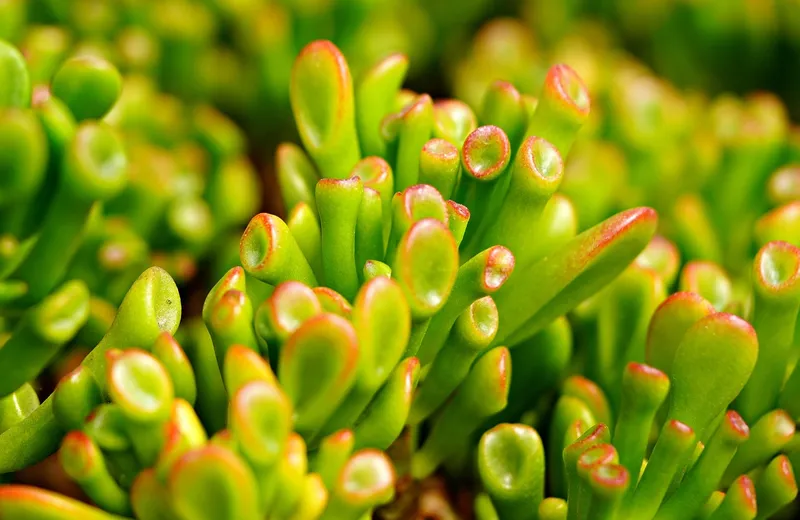
The Jade plant is a classic symbol of good luck and prosperity, which is exactly the kind of energy most of us want at our desks. While they love a bit of sun, they are surprisingly adaptable to lower light levels. They just grow a bit slower and keep a deeper green hue.
Jades look like miniature trees with their thick, woody stems and plump, oval leaves. They have a timeless look that fits any office decor, from ultra-modern to cozy and traditional. They are also incredibly easy to propagate - if a leaf falls off, you can often just set it on top of the soil and a new plant will grow.
Just be careful not to love them too much with the watering can. In a low-light office, a Jade plant only needs water when the soil is completely dry and the leaves feel slightly soft to the touch. This "touch test" is the best way to ensure you aren't overwatering.
6. String of Hearts (Ceropegia woodii)

If you have a shelf above your desk, the String of Hearts is a must-have. This trailing succulent features delicate, heart-shaped leaves that are purple underneath and marbled green on top. It looks sophisticated and artistic as it cascades down toward your computer screen.
Unlike many trailing succulents (like String of Pearls), the String of Hearts is quite tolerant of lower light. It won't lose its color as easily, and it's much more forgiving if you miss a watering session. It adds a soft, organic feel to the sharp angles of an office environment.
To keep it looking full at the top, you can occasionally loop the trailing vines back into the pot. This encourages new growth and keeps the plant from looking "thin" at the base. It's a fast grower even in modest light, so you'll see progress fairly quickly.
7. Lace Aloe (Aristaloe aristata)
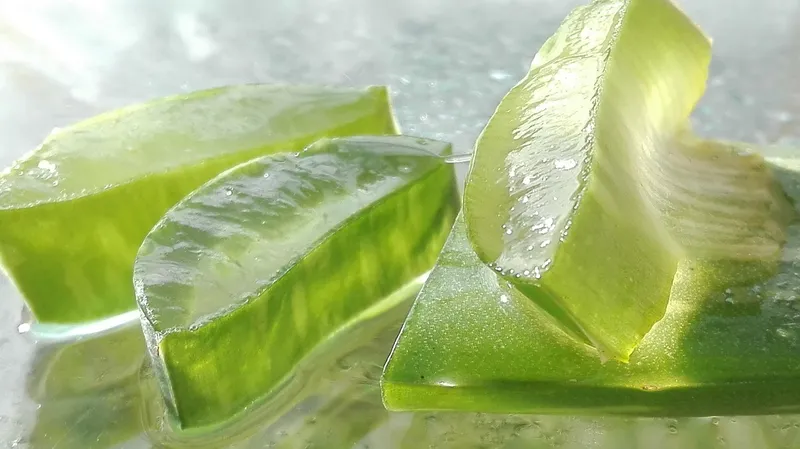
Most people think Aloe Vera when they hear "aloe," but the standard Aloe Vera actually struggles in low light and tends to get floppy. The Lace Aloe, however, is a much better choice for a desk. It's a smaller, more compact relative that handles shade with much more grace.
It features dark green leaves covered in tiny white bumps and lace-like edges. It forms a tight rosette that stays looking neat and tidy. It's the perfect size for a small corner of your desk or a narrow windowsill that doesn't get much direct sun.
The Lace Aloe is also very hardy. It's more cold-tolerant than many other succulents, so if your office AC is constantly blasting, this little guy won't mind the chill. Just like its relatives, it prefers a well-draining soil mix to keep its roots happy.
8. Christmas Cactus (Schlumbergera)
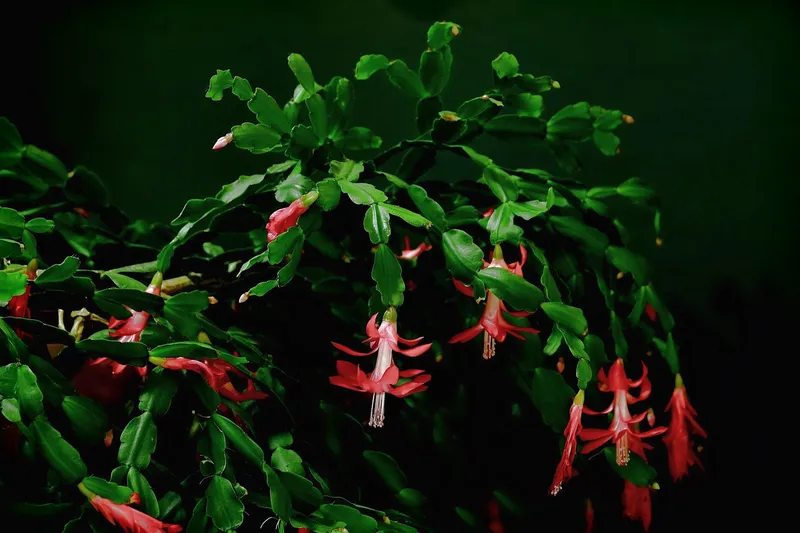
The Christmas Cactus is a "jungle succulent," meaning its ancestors lived on trees in the rainforest rather than in the desert. This means they are naturally evolved to thrive in filtered light. They actually dislike direct, hot sunlight, which makes them perfect for an office desk.
They have unique, segmented leaves that look like little chains. While they are famous for their stunning winter blooms (in shades of pink, red, or white), they are beautiful green plants all year round. Even without the flowers, the leaf structure is very architectural and interesting.
Because they are jungle plants, they like a little more humidity than your average desert succulent. If your office is very dry, you can mist them occasionally or set the pot on a small tray of pebbles with a bit of water. They also like their soil to stay slightly more moist than a typical cactus would.
9. Elephant Bush (Portulacaria afra)

The Elephant Bush looks a lot like a small-leafed Jade plant, but it has beautiful reddish-brown stems that provide a great contrast to its bright green leaves. In the wild, it's a favorite snack for elephants, but in your office, it's just a stylish, low-maintenance decoration.
This plant is incredibly versatile. It can be grown as a trailing plant or pruned into a miniature bonsai tree. It's very resilient and can handle the lower light levels of an indoor workspace without losing its charm. It adds a "lush" feeling to a desk without requiring the high-intensity light that most lush plants need.
One cool thing about the Elephant Bush is how much carbon it can absorb. It's actually more efficient at carbon sequestration than many other plants its size, making it a literal breath of fresh air for your office cubicle.
10. Silver Squill (Ledebouria socialis)
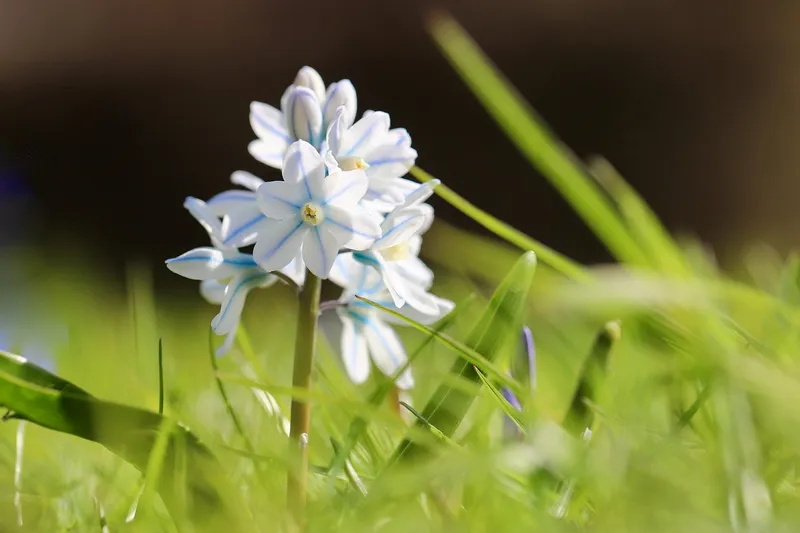
The Silver Squill is a hidden gem in the succulent world. It grows from small, purple, onion-like bulbs that sit on top of the soil. The leaves are the real showstopper, though - they are silver with dark green "leopard" spots and deep purple undersides.
This plant actually prefers partial shade, making it a "goldilocks" plant for desks. It doesn't want to be in total darkness, but it will scorched in a bright window. The fluorescent lights of an office are usually just right for it to maintain its beautiful colors.
Silver Squill is very tough and can survive being forgotten for a while. It also produces tiny, delicate flowers that look like little bells if it's particularly happy. It's a conversation starter because of its unique bulbous base and spotted foliage.
11. Wax Plant (Hoya carnosa)
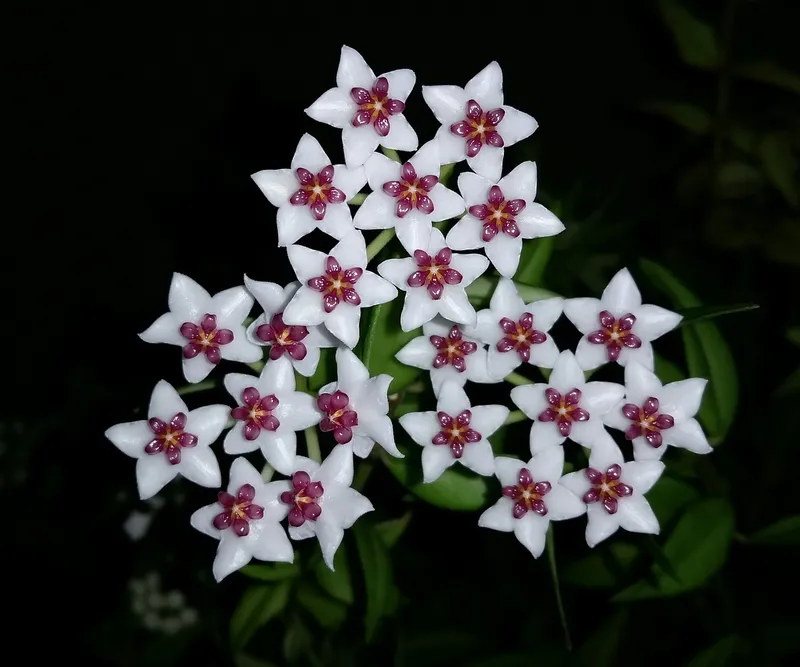
Hoyas are often called "Wax Plants" because of their thick, glossy leaves that feel like they've been dipped in paraffin. While they are known for their incredible, fragrant flowers, many varieties (like the Hoya carnosa) are perfectly happy living as foliage plants in lower light environments.
They are slow-growing vines that can either trail down or be trained to climb a small trellis. They are very "set it and forget it." In fact, Hoyas like to be root-bound, so you won't have to worry about repotting them for years.
The thick leaves store a lot of water, so they are very drought-tolerant. In a dim office, you might only need to water your Hoya every 3 or 4 weeks. They are elegant, low-stress plants that bring a bit of the tropics to your workspace.
12. Panda Plant (Kalanchoe tomentosa)

If you want a plant you can't help but touch, the Panda Plant is the one. Its leaves are covered in soft, silvery hairs that give it a velvety feel. The edges of the leaves have dark brown spots that look like little paw prints, hence the name "Panda Plant."
While many Kalanchoes need bright light to bloom, the Panda Plant is mostly grown for its fuzzy foliage, which holds up remarkably well in low-light conditions. The silvery fuzz helps protect the plant and allows it to tolerate the dry air often found in air-conditioned offices.
It's a fun, quirky plant that adds texture to your desk. Just be careful not to get the leaves wet when you water it, as the "fur" can trap moisture and lead to spots or rot. Always water directly into the soil at the base of the plant.
13. Aloe Vera (Dwarf Varieties)
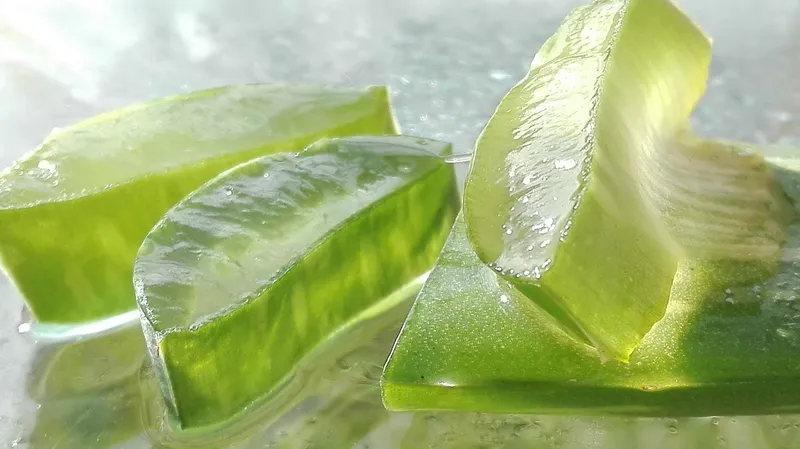
We mentioned the Lace Aloe earlier, but some smaller, variegated "dwarf" Aloe varieties also do quite well in office settings. Look for varieties like "Dewdrop" or "Pink Blush." These stay small and have been bred to handle indoor environments better than the giant Aloe Vera plants you see in medicinal gardens.
These mini Aloes often have interesting textures and colors, ranging from neon green to deep reds and oranges. They are very sturdy and can handle the fluctuations in temperature and light that come with office life.
The key to keeping these happy is to use a very gritty, sandy soil. This ensures that any excess water drains away quickly, which is vital when there isn't much sun to help the soil dry out. Think of it as a tiny, colorful sculpture that happens to be alive.
14. Burro's Tail (Sedum morganianum)
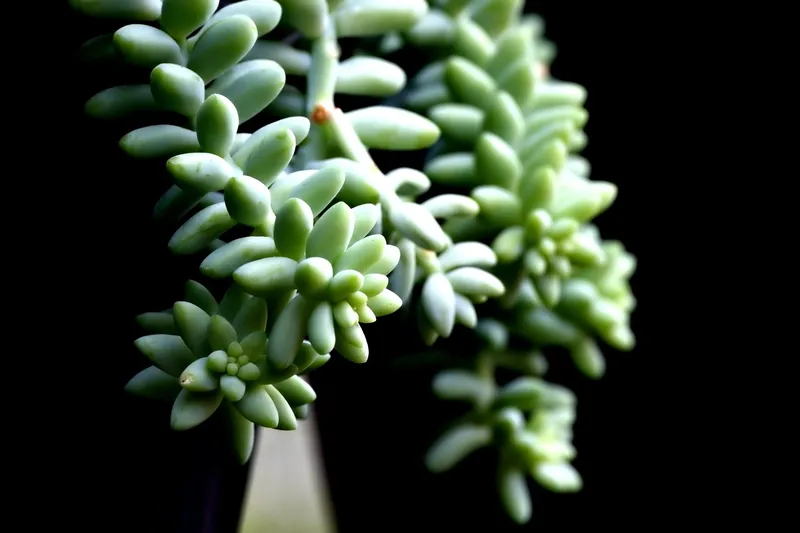
The Burro's Tail is a showstopper with its long, trailing stems packed with plump, teardrop-shaped leaves. It has a beautiful blue-green, powdery finish (called farina) that looks stunning against a dark desk or shelf. It's a bit of a "look but don't touch" plant, as the leaves can pop off if bumped too hard.
While it thrives in bright light, it can adapt to lower light if you are careful with watering. It won't grow as fast, and the stems might be a bit more spaced out, but it still maintains its unique, cascading look. It's perfect for a "spiller" plant in a desk-side arrangement.
If a leaf does fall off, don't throw it away! Just toss it back into the pot. Most of the time, those fallen leaves will sprout tiny new babies, making the plant look even fuller over time. It's the plant that keeps on giving.
Tips for Succulent Success in the Dark

Growing succulents without natural sunlight requires a slight shift in your "plant parent" strategy. The biggest mistake people make is watering on a schedule. In a low-light office, the soil stays damp for much longer because there's no sun to evaporate the moisture.
Always use the "soak and dry" method. Wait until the soil is bone-dry all the way to the bottom of the pot before adding more water. You can use a wooden skewer or even your finger to check. If it comes out with damp soil clinging to it, walk away and wait another week.
Also, make sure your pots have drainage holes! This is non-negotiable for succulents in low light. If the water has nowhere to go, it will sit at the bottom and rot the roots. If you have a cute pot without a hole, keep the plant in its plastic nursery liner and just take it out to water it in the breakroom sink.
The Game Changer: LED Grow Lights
If you really want your succulents to thrive (and not just survive), consider a small LED grow light. Modern grow lights don't have to be big, ugly, purple things. You can find sleek, stylish "halo" lights that clip onto your desk or stick directly into the pot.
These lights provide the specific spectrum of light that plants need for photosynthesis. Even having a small light on for 6-8 hours during your workday can make a massive difference. It will keep your succulents compact, vibrant, and prevent them from stretching out toward the hallway lights.
Most of these lights come with built-in timers, so they'll turn themselves on and off. It's a small investment that can turn a "surviving" office plant into a thriving masterpiece. Plus, the extra light can actually be a nice mood booster for you during those long afternoon hours!
Bringing a bit of nature onto your desk isn't just about aesthetics; it's about creating a space where you actually enjoy spending time. Even if you're tucked away in a corner with zero windows, these 14 resilient succulents prove that life can find a way. Pick one that matches your style, give it a name, and watch how a little splash of green transforms your entire workday vibe. You've got this!