Ever looked at a corner of your home and felt it was missing a little spark of life, but the thought of keeping a high-maintenance fern alive fills you with genuine dread? Most of us love the idea of an indoor jungle, but the reality of humidity mists and precise pruning schedules is a bit much for a busy Saturday. That is exactly why the desert terrarium is the ultimate interior design "cheat code" - it offers striking architectural beauty without demanding a single ounce of your sanity.
In this guide, we are going to build a stunning, minimalist desert escape from the ground up. I'll show you why focusing on just seven specific, hardy species is the secret to a professional look, and I'll walk you through the layering techniques that keep these plants thriving for years. By the time you finish reading, you'll have everything you need to create a piece of living art that looks like it belongs in a high-end boutique.
The Magic of Minimalist Desert Landscapes
There is something deeply calming about the stark, clean lines of a desert landscape. Unlike tropical terrariums that can feel crowded and chaotic, a desert setup uses negative space to its advantage, letting each plant stand out like a sculpture. It's the "less is more" approach to indoor gardening, where every pebble and every curve of a cactus serves a visual purpose.
Choosing to work with desert species isn't just about the looks, though. These plants are survivors; they have evolved over millennia to store water in their leaves and stems, making them incredibly forgiving if you forget a watering session. For anyone who appreciates a "set it and forget it" lifestyle, these tiny ecosystems are a dream come true.
By sticking to a curated list of seven species, we avoid the cluttered "overflowing pot" look. We're aiming for a deliberate, curated vibe that highlights the unique textures of each plant. From the bumpy ridges of a Gasteria to the geometric perfection of a Sand Dollar Cactus, these plants prove that you don't need a thousand colors to make a massive impact.
Choosing the Perfect Glass Vessel
The container you choose is the frame for your living masterpiece, and for desert species, there is one non-negotiable rule: it must be open. While tropical plants love the trapped humidity of a closed jar, desert plants will literally turn to mush if they don't have proper airflow. You want a glass bowl, a geometric prism, or even a wide-mouthed cylinder that allows moisture to evaporate quickly.
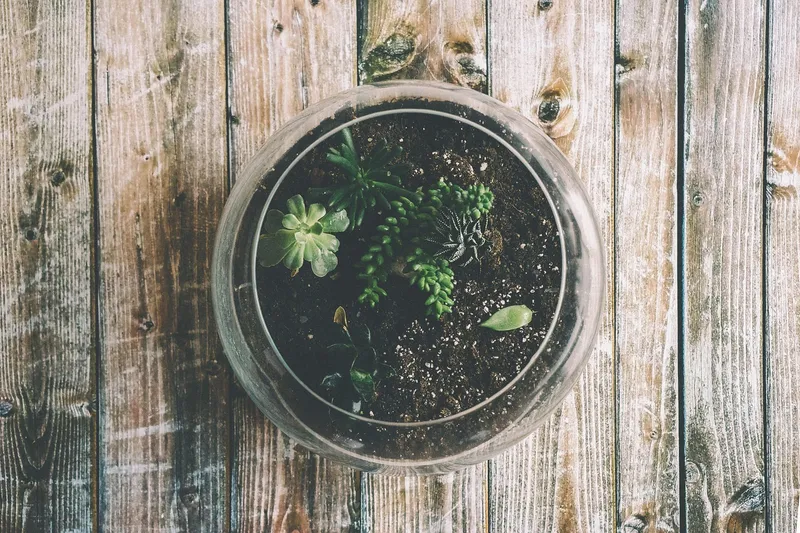
Think about where this terrarium will live before you buy the glass. If it's going on a coffee table, a low, wide bowl allows you to see the arrangement from every angle. If it's for a narrow bookshelf, a taller, slanted glass bubble might be more dramatic. Glass provides a 360-degree view of your substrate layers, which is half the fun of the design process.
Don't be afraid to go big with your vessel. Even though we are only using seven plants, giving them room to "breathe" visually is what makes the arrangement look minimalist rather than cramped. A large glass bowl with plenty of open sand around the plants creates that high-end, intentional look we're after.
The Golden Ratio: Mastering the Layers
Because your glass container likely won't have drainage holes, the way you layer your "foundation" is critical for plant health. Think of it like a cake - every layer has a job to do. The bottom layer is for drainage, the middle is for filtration, and the top is for nutrition and aesthetics. When done correctly, these layers create a beautiful striped effect through the glass.
Start with a two-inch layer of small river rocks or pea gravel. This is where excess water will sit so it doesn't rot the roots of your plants. On top of that, add a thin layer of horticultural charcoal; this acts as a natural filter to keep the environment fresh and prevent any funky smells from developing in the standing water at the bottom.
Finally, add your potting mix, but don't use standard garden soil. Desert plants need a "gritty" mix - usually a blend of potting soil, coarse sand, and perlite. This ensures that when you do water, it moves through the soil quickly rather than sitting like a wet sponge. Finish the look with a thin topping of fine white or tan sand to give it that authentic dunes appearance.
The "Magnificent 7" Species for Your Terrarium
To get that stunning, minimalist look, we need plants that offer variety in shape but consistency in care requirements. You want a mix of "architectural" heights, "rosette" shapes, and "oddities" that draw the eye. These seven choices are picked specifically because they grow slowly and won't outgrow your glass container in a single season.
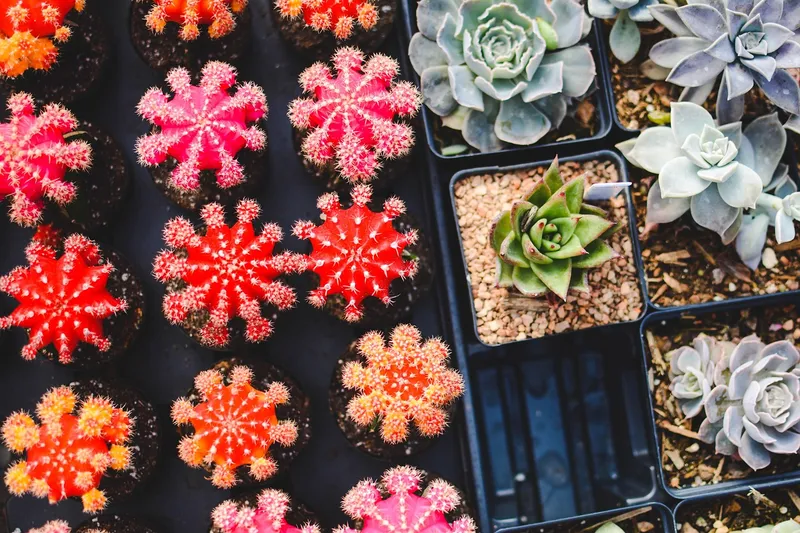
First up is the Haworthia Zebra, known for its striking white horizontal stripes and pointy, upright leaves. Next, we have Lithops, also called "Living Stones" - they look like pebbles until they bloom, adding a mysterious, alien vibe to your desert. The Gasteria 'Little Warty' provides a bumpy, dark green texture that contrasts beautifully against the smoother plants.
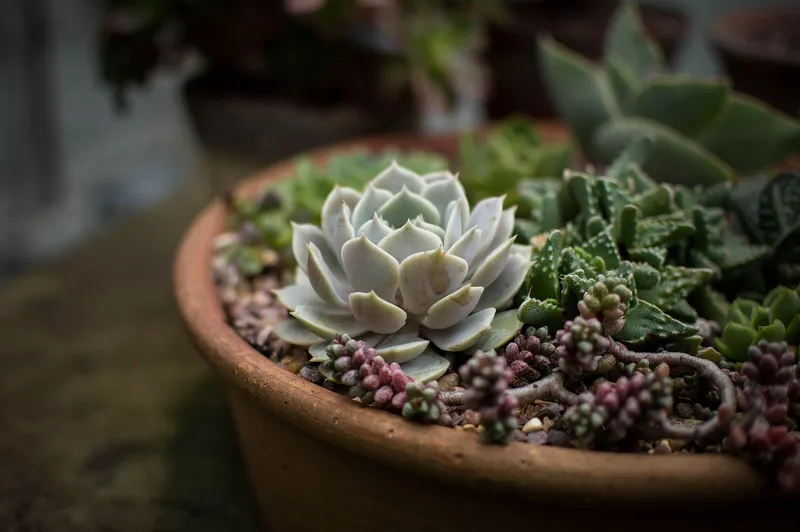
For height, add a Mammillaria Elongata (Ladyfinger Cactus), which grows in clusters of golden-spined cylinders. Balance this with the Astrophytum Asterias (Sand Dollar Cactus), a flat, spineless cactus with a perfect geometric star pattern. To soften the look, use an Echeveria 'Lola' for its pale, ghostly purple rosette, and finally, add Crassula 'Baby's Necklace' for a trailing element that looks like stacked green beads.
The Assembly Process: A Step-by-Step Guide
Now for the fun part - bringing the vision to life. Start by placing your largest or tallest plant slightly off-center. In design, things rarely look good perfectly centered; an asymmetrical layout feels much more natural and dynamic. Dig a small hole for your Ladyfinger Cactus or Haworthia, gently teasing the roots before tucking it into the gritty soil.
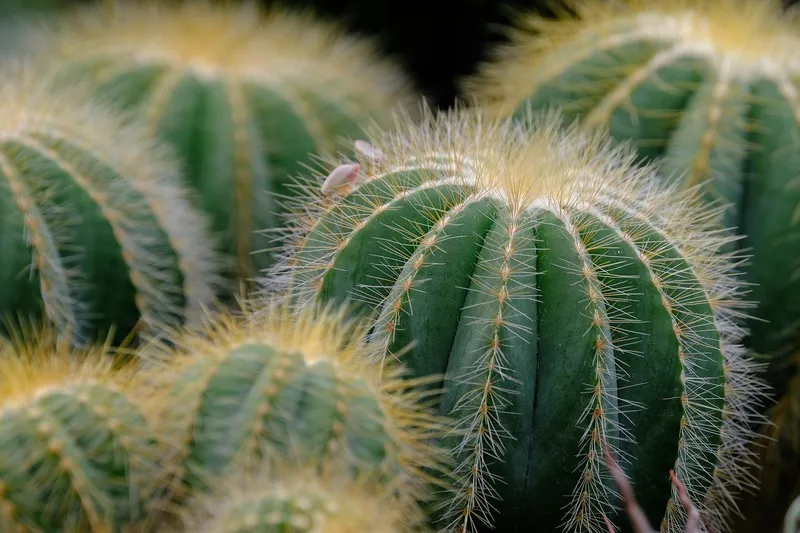
Work from the back to the front. Place your mid-sized plants like the Echeveria and Gasteria around the main anchor. Remember to leave space between them! It's tempting to pack them in, but desert plants need air circulation. Think of each plant as an island in a sea of sand. Use a small brush to sweep away any soil that accidentally gets on the leaves or spines.
Once the plants are in, it's time for the "top dressing." Pour your decorative sand around the plants until the soil is completely covered. For a final touch, add one or two larger "feature" rocks or a small piece of bleached driftwood. This adds scale and makes your miniature desert look like a slice of the real world captured in glass.
Maintenance Tips for a Thriving Desert
The biggest mistake people make with desert terrariums is "loving them to death" with too much water. These plants are built for drought. During the spring and summer, you only need to water them about once every two to three weeks. In the winter, you can often go a full month or more without touching them. Always check that the soil is bone-dry before adding a drop.
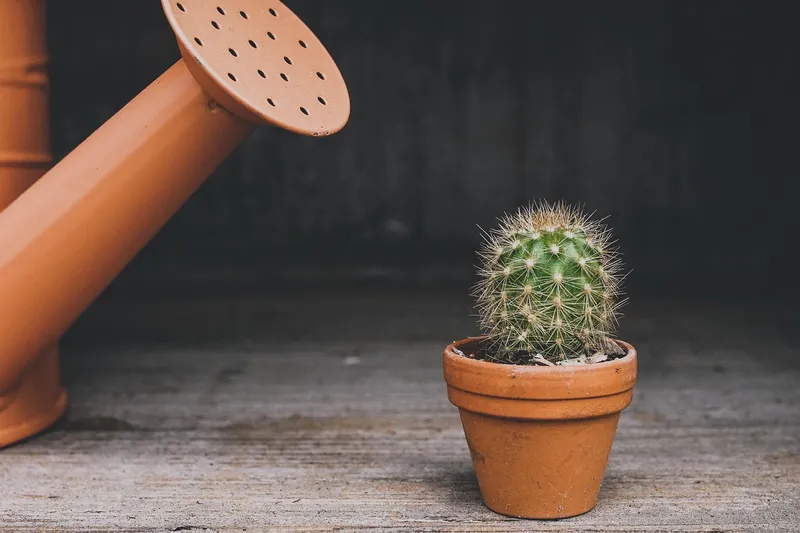
When you do water, don't use a spray bottle. Misting creates humidity, which desert plants hate, and can lead to rot. Instead, use a long-necked watering can or a large syringe to apply water directly to the soil at the base of each plant. This keeps the leaves dry and ensures the water reaches the roots where it's needed most.
Light is the other half of the equation. Your terrarium needs bright, indirect light for at least six hours a day. A south-facing window is usually the best spot. If you notice your plants starting to stretch out and get "leggy," they are telling you they're hungry for more sun. Give them a brighter home, and they'll reward you by staying compact and vibrant.
There is a unique kind of satisfaction that comes from building something with your own hands that actually grows and changes over time. A desert terrarium isn't just a piece of decor; it's a tiny, resilient world that asks for almost nothing but gives back a sense of calm every time you look at it. Go grab some glass, find your seven plants, and start digging - your perfect minimalist escape is only a few layers of sand away.