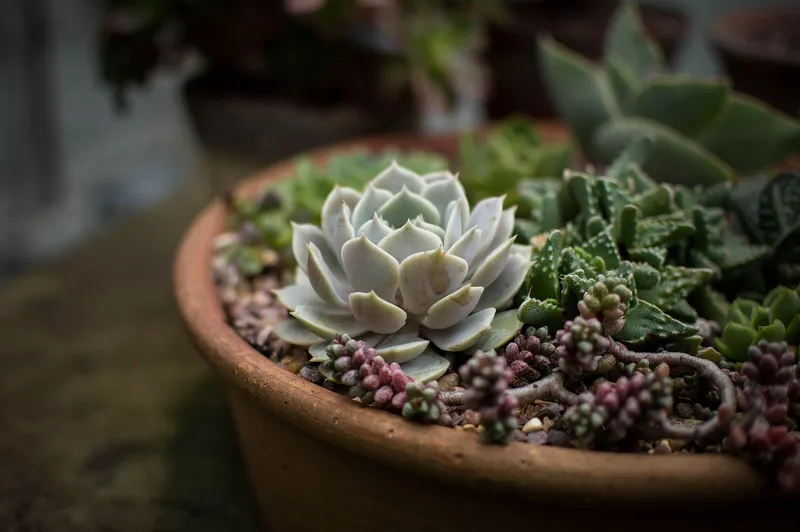
There is nothing quite as heartbreaking as walking out to your garden after the first hard freeze and finding your favorite succulents turned into translucent, mushy puddles. We've all been there - tricked by a particularly sunny autumn into thinking our desert-dwelling friends can handle a little "refreshing" chill. But when the mercury drops, those water-filled leaves act like tiny balloons in a freezer, and once they pop, there is usually no going back.
If you live in a region where winter means more than just wearing a light sweater, your outdoor succulent garden needs a survival strategy. This guide breaks down thirteen essential, battle-tested tips to help your plants hunker down and survive the frost. We will cover everything from identifying the "tough guys" in your collection to the simple household items that can act as a life-saving thermal blanket for your garden.
1. Know Your Hardiness Zone First
Before you buy a single roll of frost cloth, you need to know exactly what kind of cold you are dealing with. Your local hardiness zone is the most important piece of data you have, as it tells you the average minimum temperature your area reaches during the peak of winter. Succulents that thrive in a Zone 9 winter will likely turn to mush in a Zone 7 winter without significant help.

You can find this information easily through online gardening portals or local agricultural extensions. Once you know your zone, check the tags of your plants or look them up online. Knowing if a plant is rated for "Zone 5" versus "Zone 10" determines whether you can leave it alone or if you need to go into full protection mode.
2. Distinguish Between Hardy and Tender Succulents
Not all succulents are created equal when it comes to the cold. "Hardy" succulents, like Sempervivum (Hens and Chicks) and many Sedums, can actually handle being buried under a blanket of snow and will pop back up in the spring looking better than ever. These plants have evolved to handle freezing temperatures by going into a deep dormancy.
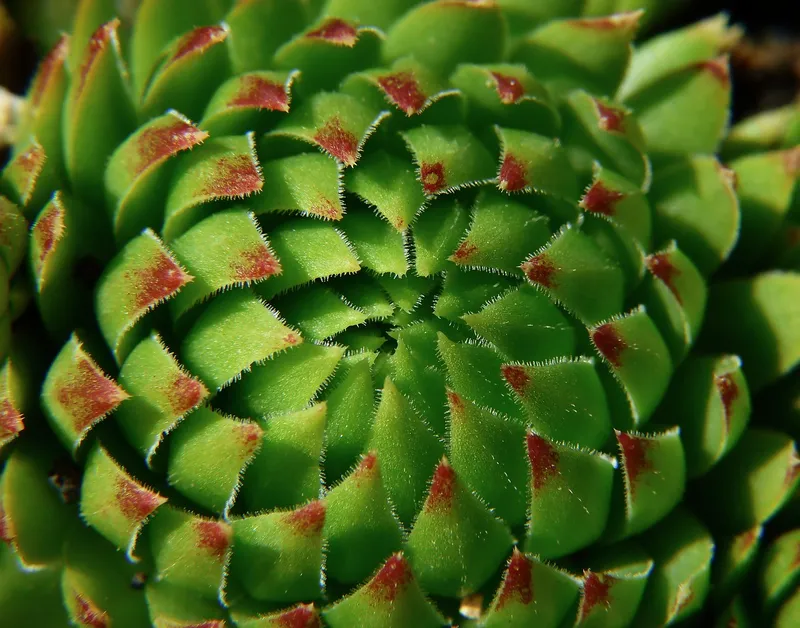
On the other hand, "tender" or "soft" succulents like Echeveria, Crassula (Jade), and Kalanchoe are mostly tropical or subtropical. These guys usually tap out when temperatures dip below 30°F (-1°C). If you have a mix of both in your garden, focus your energy and resources on the tender varieties, as the hardy ones can largely take care of themselves.
3. Stop Fertilizing as the Light Fades
It might be tempting to give your plants a "booster shot" of nutrients to help them through the winter, but this is actually one of the worst things you can do. Fertilizer encourages new, soft growth. This fresh tissue is the most vulnerable part of the plant and will be the first thing to freeze and die when the frost hits.
Stop all fertilizing by late summer or very early autumn. You want your plants to stop growing and start "hardening off." Think of it as letting them prepare for a long nap; you don't want to give them a shot of espresso right before they are supposed to go to sleep for the season.
4. Master the "Dry and Dormant" Rule
In the succulent world, wet feet plus cold air equals certain death. A succulent that is bone-dry can often survive a temperature that would kill a well-watered plant. This is because the water inside the plant's cells is more concentrated when the plant is thirsty, which slightly lowers its freezing point.

As the temperatures drop, drastically reduce your watering schedule. If the soil is damp when a freeze hits, the water in the soil expands as it turns to ice, crushing the roots and causing rot. By keeping the soil dry, you're giving the roots a much better chance of staying insulated and intact.
5. Improve Your Soil Drainage Before the Rain Hits
Winter isn't just about the cold; in many places, it's also the wettest season. If your succulents are planted in heavy, clay-based soil, they will sit in a cold puddle for months. This leads to root rot long before the frost even gets a chance to do its damage.
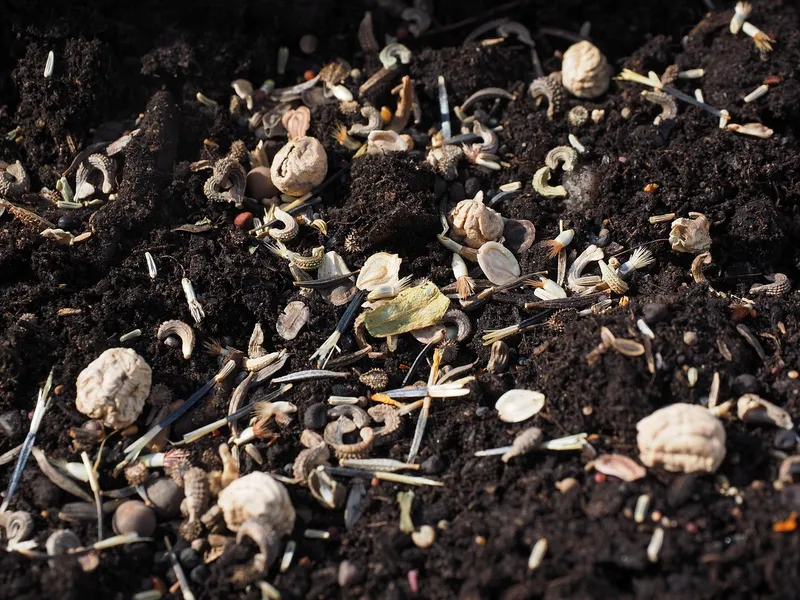
If your garden bed holds onto water, try incorporating more grit, pumice, or coarse sand. You can also mound your succulents into slightly raised beds. This allows gravity to do the work, pulling excess moisture away from the crown of the plant and keeping the environment much more hospitable during those long, grey months.
6. Use Frost Blankets, Not Plastic
When a surprise freeze is in the forecast, your first instinct might be to grab a plastic tarp. Avoid this at all costs! Plastic doesn't breathe, and if it touches the leaves of your succulents, it will actually conduct the cold directly to the plant, causing more harm than good. Furthermore, if the sun comes out the next day, plastic can quickly overheat and "cook" your plants.
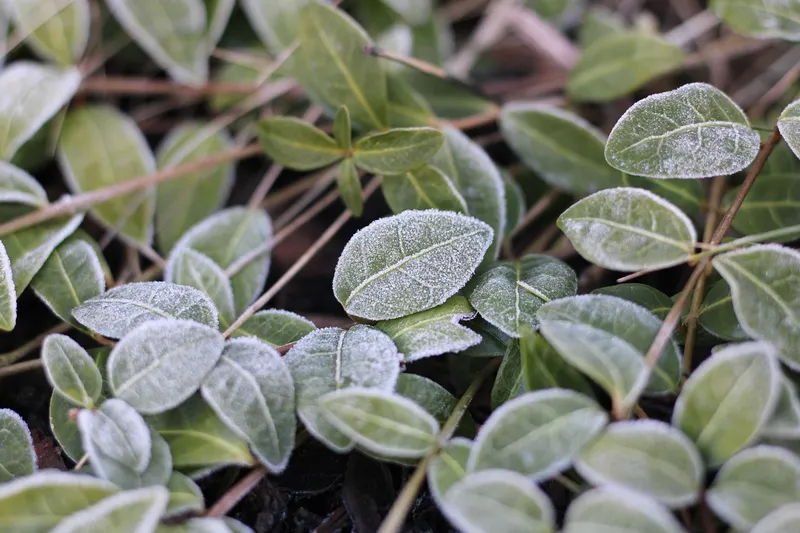
Instead, invest in actual frost cloth or use old burlap sacks and cotton bedsheets. These materials trap the warmth radiating from the ground while still allowing the plant to breathe. Just remember to prop the fabric up with stakes so it isn't resting directly on the succulent's foliage.
7. Group Your Pots Together
If your succulents are in containers, you have a huge advantage. As the weather turns, move all your pots into a single cluster. This creates a small "microclimate" where the plants can share heat. The pots in the center of the group will be significantly warmer than a single pot standing alone in the wind.
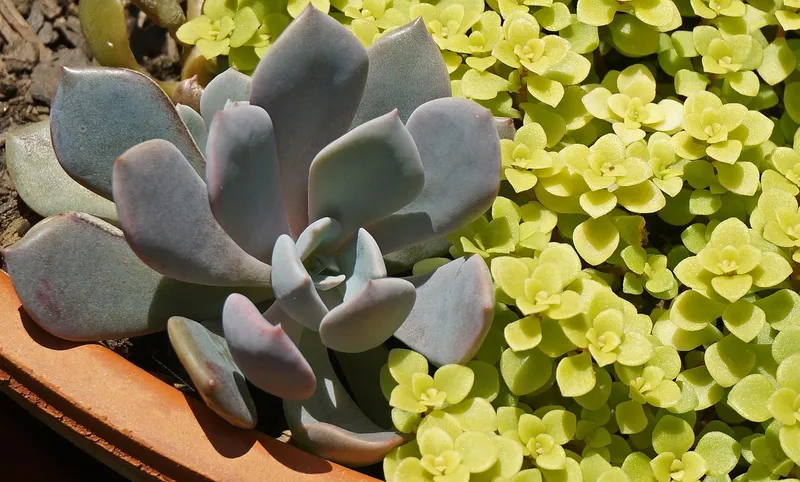
Placing the pots against a south-facing brick or stone wall is even better. The wall will absorb heat from the sun during the day and slowly radiate it back to the plants throughout the night. This simple move can sometimes raise the temperature around your plants by 5 to 10 degrees - which is often the difference between life and death.
8. Mulch with Gravel or Stones
While wood mulch is great for many garden plants, it can be a disaster for succulents because it holds onto moisture. For succulents, gravel or crushed rock is the way to go. A layer of stone mulch acts as a barrier between the damp soil and the lower leaves of the plant, preventing "bottom rot."
Dark-colored stones are particularly effective because they absorb heat during the day. This heat is then released at night, providing a tiny bit of extra warmth right where the plant needs it most. It also looks incredibly clean and professional, giving your winter garden a polished look even when the plants aren't in bloom.
9. Shield Them from the Wind
It's not just the temperature on the thermometer that kills succulents; it's the wind chill. Cold winter winds can rapidly wick moisture away from the leaves and drop the plant's internal temperature much faster than still air would. If your garden is in a drafty or exposed area, you need to create a windbreak.
This can be as simple as a temporary wooden screen, a hay bale, or even moving pots behind a larger, hardier shrub. By blocking the wind, you reduce the rate of evaporation and help the plant maintain its own internal temperature much more effectively.
10. Resist the Urge to Prune
You might see some raggedy leaves or spent flower stalks as winter approaches, but leave them alone! Those dead leaves actually provide a layer of insulation for the main stem and the core of the plant. Pruning creates an "open wound" on the plant that is highly susceptible to frost damage and infection.
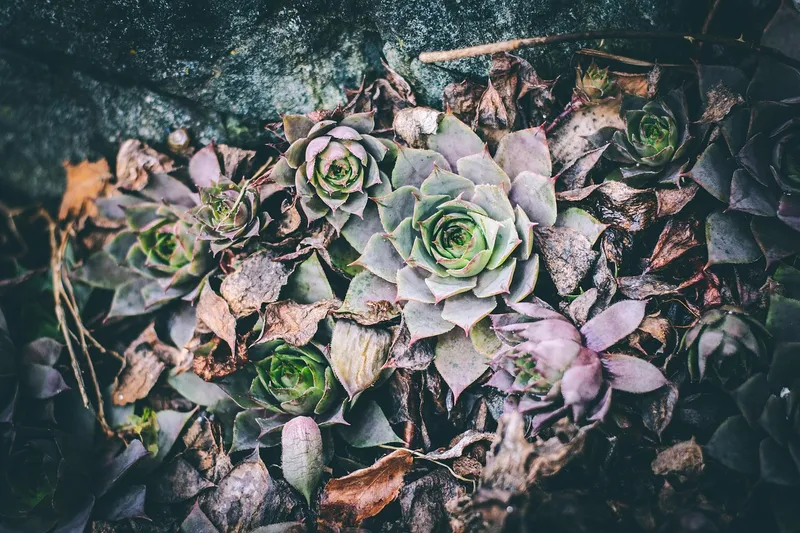
Wait until the spring when the threat of frost has completely passed and you see new growth emerging. At that point, you can go in and do a big cleanup. The plant will be much stronger then and will heal much faster in the warm spring air.
11. Use DIY Cloches for Small Plants
For individual, high-value succulents that are particularly sensitive, a cloche is a lifesaver. You don't need fancy glass ones, either. You can cut the bottom off a clear plastic milk jug or a 2-liter soda bottle and place it over the plant. This creates a miniature greenhouse that traps heat and keeps frost from settling on the leaves.

Just make sure to take the cap off for ventilation, and if the sun comes out and temperatures rise during the day, remove the "cloches" so you don't accidentally steam your plants. This is an excellent way to protect specific plants without having to cover the entire garden bed.
12. Don't Fear the Snow (Usually)
This might sound counterintuitive, but snow can actually be a succulent's friend. For hardy varieties, a layer of fluffy snow acts as a fantastic insulator, protecting the plant from sub-zero air temperatures and harsh winds. The temperature under a thick blanket of snow usually stays right around 32°F, even if the air above is -10°F.
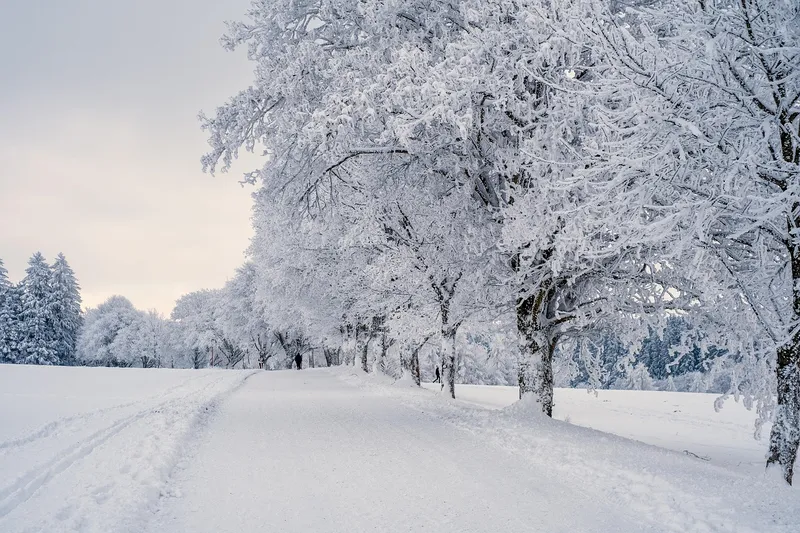
The danger comes when the snow melts and then refreezes into ice. Ice is much more damaging because it's heavy and deprives the plant of oxygen. If you have "soft" succulents, you should still brush the snow off them, but for your hardy Sedums and Sempervivums, you can usually let nature take its course.
13. Know When to Bring Them Inside
Finally, the most important tip is to know your limits. If you have a rare or expensive "soft" succulent and your forecast is calling for a week of sub-freezing temperatures, the best strategy is to simply bring it indoors. Even an unheated garage or a basement can provide enough protection to get them through a cold snap.
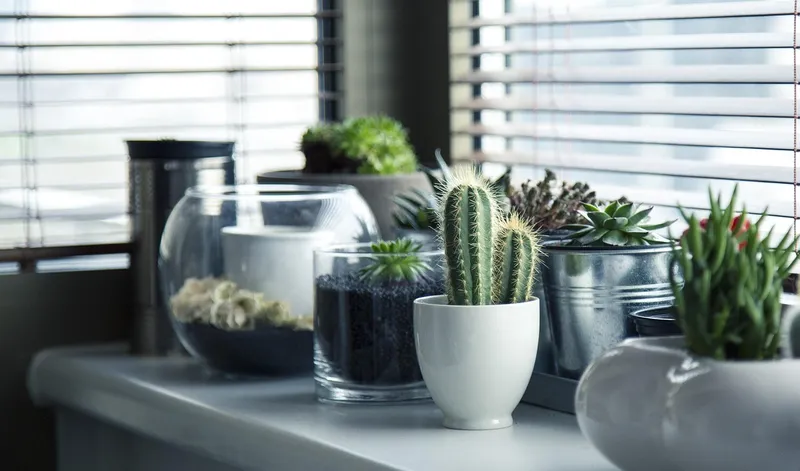
When you bring them in, don't worry if they start to look a little stretched or "leggy" due to lower light. You can always trim them and propagate them in the spring. It is far better to have a slightly stretched plant that is alive than a perfectly shaped one that is dead.
Winter can be a stressful time for any gardener, but succulents are remarkably resilient creatures if you give them just a little bit of a head start. By focusing on drainage, keeping things dry, and providing a bit of thermal protection, you can ensure your garden survives the big freeze. When those first warm rays of spring sunshine hit, you'll be rewarded with a garden that is ready to burst back into life rather than one you have to replant from scratch. Happy wintering!