You wake up, grab your morning coffee, and head out to the garden to admire your hard work, only to find your prized hostas and lettuce looking like Swiss cheese. It's a gut-punch that every gardener knows all too well. Those slimy nighttime visitors can demolish a row of tender seedlings in just a few hours, leaving nothing but a shimmering trail of evidence behind to mock your efforts.
If you're tired of losing the war against these garden gluttons, you've come to the right place. We're diving into eleven clever, battle-tested methods to protect your vegetables tonight without resorting to harsh, toxic chemicals. From simple kitchen scraps to minor shifts in your gardening routine, these tricks will help you reclaim your harvest and finally get a good night's sleep.
1. The Legendary Beer Trap

It sounds like an old wives' tale, but the beer trap is one of the most effective ways to clear out a slug population quickly. Slugs are incredibly attracted to the yeast and carbohydrates found in beer. They'll crawl from across the garden just to get a taste, which makes it a perfect lure for those hidden pests.
To set this up, take a shallow container like an old tuna can or a plastic yogurt cup. Bury it in the soil near your most vulnerable plants, leaving about half an inch of the rim sticking out to prevent helpful ground beetles from falling in. Fill it halfway with any cheap lager or ale, and check it in the morning.
You'll likely find a dozen or more "tipsy" slugs that didn't make it out. It's a bit gross to clean, but it's incredibly satisfying to see the results. Just remember to refresh the beer every couple of days or after a heavy rain to keep the scent strong.
2. Copper Tape Barriers
If you have plants in pots or raised beds, copper tape is your new best friend. There is a fascinating chemical reaction that happens when slug slime touches copper. It creates a tiny, unpleasant electrical charge - basically a mini-shock - that forces the slug to turn back immediately.
You can buy rolls of adhesive copper tape at most garden centers. Simply wrap a continuous ring of tape around the base of your pots or the perimeter of your wooden garden beds. Make sure there aren't any gaps, or the slugs will find the "bridge" and cross right over.
This is a fantastic "set it and forget it" solution. As long as the copper stays clean and doesn't get buried under mulch, it will provide a permanent barrier for the entire growing season. It's clean, non-toxic, and looks quite stylish on terracotta pots.
3. Diatomaceous Earth
Diatomaceous Earth (or DE) is a natural powder made from the fossilized remains of tiny aquatic organisms. To us, it feels like soft flour or chalk, but to a soft-bodied slug, it's like crawling over millions of tiny shards of glass. It dehydrates them on contact and makes movement nearly impossible.
To use it effectively, sprinkle a thick "moat" of the powder around the base of your plants. It works best on dry days when the slugs are most likely to seek out the moisture of your plants at night. Be sure to buy the "Food Grade" version, which is safe for pets and kids.
One thing to keep in mind is that DE loses its effectiveness once it gets wet. If you have a rainy night or you've just run the sprinklers, you'll need to reapply a fresh layer. It's an extra step, but for protecting those extra-tender seedlings, it's worth the effort.
4. Used Coffee Grounds
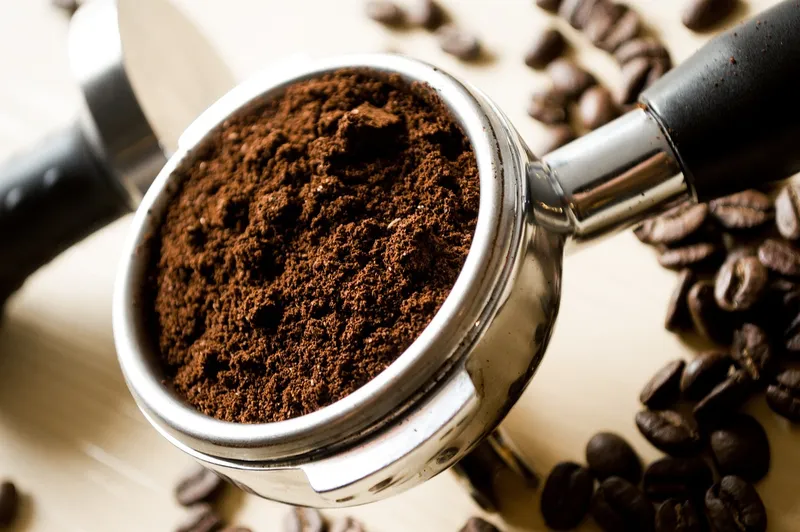
Don't throw away your morning coffee leftovers! Slugs have a natural aversion to the smell of coffee and the gritty texture of the grounds. Some studies even suggest that the caffeine itself acts as a mild neurotoxin to slugs, making it a powerful deterrent for your veggie patch.
Spread your dried grounds in a wide circle around the stems of your broccoli, kale, and lettuce. Not only does this keep the slugs away, but it also adds a small boost of nitrogen to your soil as the grounds break down. It's a win-win for your garden's health.
If you aren't a big coffee drinker, many local coffee shops are happy to give away their used grounds for free. Just bring a bucket and ask! It's a sustainable way to recycle waste and protect your food at the same time.
5. Crushed Eggshells

This is the ultimate "trash to treasure" garden hack. Instead of tossing eggshells in the compost bin immediately, give them a quick rinse and let them dry out on the windowsill. Once they are brittle, crush them into small, sharp shards and scatter them around your plants.
The theory here is simple: slugs have very delicate undersides, and navigating a field of jagged shells is painful and difficult. They would much rather find an easier meal elsewhere than risk getting cut up. It creates a physical obstacle that is surprisingly effective.
Over time, these shells will break down and add calcium to your soil, which is great for preventing blossom end rot in tomatoes. It takes a little while to collect enough shells for a whole garden, so start saving them early in the spring.
6. Wool Pellets

Wool pellets are a relatively new favorite in the organic gardening world. They are made from waste wool that isn't suitable for clothing. When these pellets get wet, they expand and create a rough, dry mat that slugs absolutely hate to crawl across.
The fibers in the wool actually pull moisture away from the slug's body, which is the last thing a creature that relies on slime wants. You can find these at specialty garden stores, and they are incredibly easy to apply. Just scatter them around the base of the plant and give them a light watering to help them settle.
As an added bonus, wool is a natural fertilizer. As it slowly biodegrades over several months, it releases nitrogen and potassium into the dirt. It also helps with water retention in the soil, making it a multifunctional tool for any gardener.
7. Harnessing Beneficial Nematodes
If you have a massive slug problem that feels out of control, it might be time for a biological solution. Nematodes are microscopic worms that live in the soil. Certain species, like Phasmarhabditis hermaphrodita, specifically target and hunt slugs underground.
You can buy these nematodes in a concentrated paste or powder. You simply mix them with water and apply them to your garden soil with a watering can. Once they are in the ground, they find slugs, enter their bodies, and stop them from eating within a few days.
This method is 100% safe for humans, pets, birds, and even other insects like honeybees. It's an "invisible" way to manage the population that targets the slugs where they hide during the day. It's especially effective in damp, cool climates where slugs thrive.
8. The Midnight Flashlight Patrol

Sometimes, the most direct approach is the best one. Slugs are nocturnal, meaning they hide under rocks and boards during the day and only come out when the sun goes down. If you want to see exactly who is eating your plants, grab a headlamp and a bucket of soapy water.
Head out into the garden about an hour after dark. You'll be amazed (and perhaps a bit horrified) at how many slugs you can find in just ten minutes. Simply pick them up - using gloves or tweezers if you're squeamish - and drop them into the soapy water to dispose of them.
Doing this for three or four nights in a row can drastically reduce the population in a small garden. It's a great way to clear out the "residents" before they have a chance to lay eggs. Plus, it's a strangely peaceful way to spend a quiet evening outdoors.
9. Inviting Natural Predators
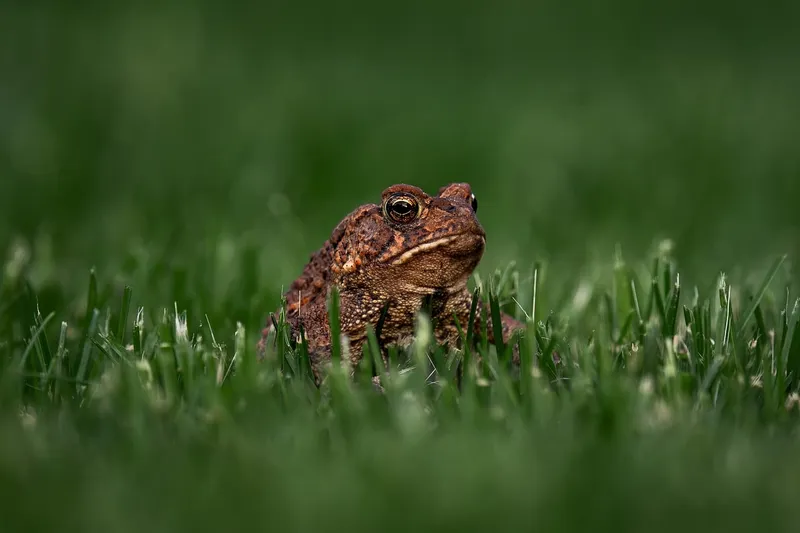
Nature has its own set of checks and balances, and slugs have plenty of enemies. If you can make your garden a welcoming place for predators, they will do most of the hard work for you. Toads, frogs, ground beetles, and birds like thrushes all consider slugs a delicacy.
To encourage toads, place a "toad house" (an upside-down ceramic pot with a doorway) in a shady, damp corner. For birds, keep a birdbath filled with fresh water. Avoid using broad-spectrum pesticides, as these will kill the "good bugs" like ground beetles that eat slug eggs.
Think of your garden as an ecosystem. The more diverse your backyard is, the less likely one specific pest - like the slug - is to take over. It's the most sustainable, long-term way to keep your vegetables safe without lifting a finger.
10. The Citrus Rind Decoy

Slugs love moisture and shade almost as much as they love eating your lettuce. You can use this to your advantage by creating "trap houses" using citrus rinds. After you've enjoyed a grapefruit, orange, or lemon, save the hollowed-out peels.
Place the rinds upside down near your most prized plants in the evening. Overnight, slugs will be attracted to the scent and the moisture inside the dome. Instead of eating your plants, they will crawl inside the rind to hide from the morning sun.
In the morning, simply walk out and flip the peels over. You can then relocate the slugs to a compost heap far away from your garden or dispose of them however you choose. It's a zero-cost method that turns kitchen waste into a clever trapping system.
11. Change Your Watering Schedule
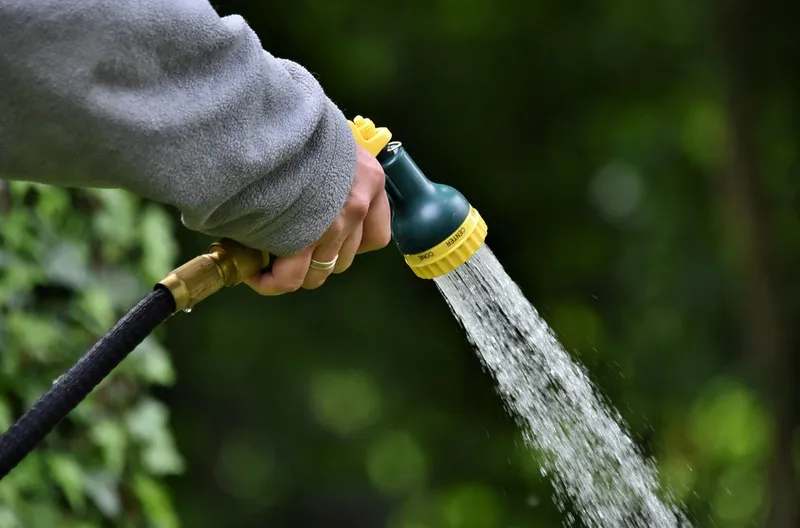
Slugs are essentially bags of water that need a damp environment to survive. If you water your garden in the late evening, you are creating a perfect, slippery highway for them to travel on all night long. The wet soil and leaves make it easy for them to cover large distances.
One of the easiest changes you can make is to switch your watering time to the early morning. This allows the plants to soak up the moisture they need, but the surface of the soil and the leaves will dry out before the sun sets. A dry garden is much harder for a slug to navigate.
By simply drying out their "track," you force them to stay under cover or move much more slowly. It's a subtle shift in your routine that can make your garden significantly less attractive to the local slug population overnight.
Gardening is supposed to be a source of joy and relaxation, not a constant battle against slimy intruders. By mixing and matching these natural methods, you'll find a rhythm that works specifically for your backyard. Don't let a few slugs ruin your harvest - take back your garden tonight and watch your vegetables finally thrive the way they were meant to!