Ever sat down with a fresh cup of coffee, ready to admire your indoor jungle, only to have a tiny black speck fly right into your face? It starts with one, then two, and before you know it, a small cloud of these annoying gnats erupts every time you move a pot. It's enough to make even the most patient plant parent want to scream into their monstera leaves.
Dealing with fungus gnats feels like a losing battle, but I'm here to tell you that you don't need harsh chemicals or toxic sprays to win. We're going to dive into the best natural ways to wipe them out fast, targeting both the buzzing adults and the invisible larvae hiding in your soil. By the time you finish reading, you'll have a solid game plan to reclaim your living room from these tiny invaders.
Understanding the Enemy: Why Are They Here?
Before we go to war, we need to know what we're fighting. Fungus gnats aren't just "fruit flies for plants." While fruit flies want your overripe bananas, fungus gnats are obsessed with the damp, organic matter in your potting soil. They thrive in moisture, which is why you see them most often right after you've watered your plants.
The adults are mostly just a nuisance, but it's the larvae you really need to worry about. These microscopic worms live just beneath the soil surface and munch on fungi and decaying plant material. If the infestation gets bad enough, they'll start nibbling on your plant's delicate root hairs, which can stunt growth and leave your plant looking wilted and sad.
The key to winning this fight is breaking their life cycle. If you only kill the flyers, more will hatch tomorrow. If you only kill the larvae, the adults will just lay more eggs. You have to attack from both sides at once to see real, lasting results.
The Golden Rule: Let the Soil Dry Out

If you want a fast, free, and effective way to slow down a gnat invasion, put down the watering can. Fungus gnats absolutely depend on moisture to survive. Their eggs won't hatch in dry soil, and the larvae will eventually shrivel up and die if the environment isn't damp enough for them to move around.
Check your plants that are currently "gnat central." Chances are, the top inch or two of soil is consistently damp. Try to push your watering schedule as far as you can without causing your plant to wilt. For many common houseplants like Pothos or Philodendrons, the top two inches of soil should be bone dry before you even think about adding more water.
This simple change in habit is often enough to stop a minor infestation in its tracks. It makes the "real estate" in your pots much less attractive to mama gnats looking for a place to deposit their eggs. Plus, it encourages healthier root growth by preventing the dreaded root rot.
Using Mosquito Bits for a Total Larvae Wipeout
If you want the "heavy hitter" of natural remedies, look for something called Mosquito Bits or Mosquito Dunks. Don't let the name fool you - they are incredible for fungus gnats. They contain a naturally occurring bacteria called BTI (Bacillus thuringiensis israelensis), which is completely harmless to humans, pets, and plants, but deadly to gnat larvae.
To use them, don't just sprinkle them on top of the soil (they can get moldy). Instead, make a "tea" by soaking about four tablespoons of the bits in a gallon of water for 30 minutes. Strain out the bits and use that water to give your plants a good drink the next time they are thirsty.
When the larvae eat the BTI in the soil, it stops their digestive system, and they die off quickly. You'll want to do this for about three or four waterings in a row to make sure you catch every new batch of larvae as they hatch. It's widely considered the most effective biological control available for indoor gardeners.
Yellow Sticky Traps for the Buzzing Adults
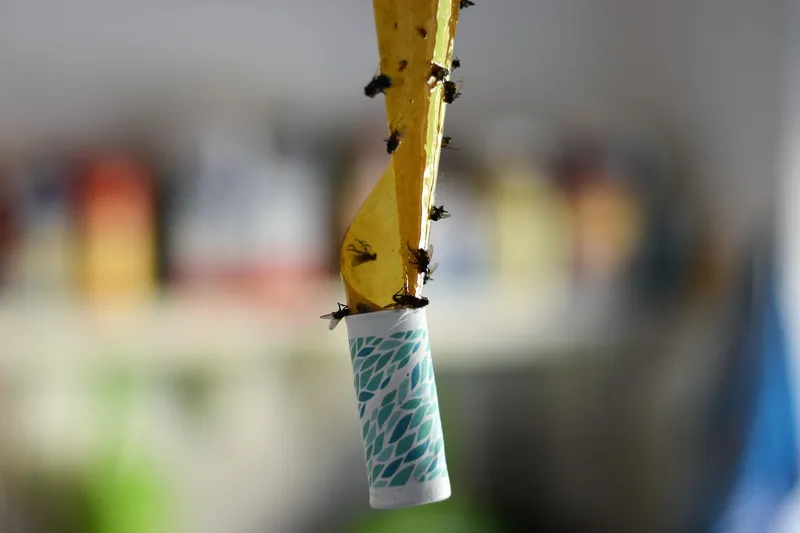
While the BTI tea is working its magic underground, you need to deal with the annoying adults that are currently flying into your nose. This is where yellow sticky traps come in. These are simple plastic cards coated in a very sticky adhesive that you stake directly into your pots.
Why yellow? Fungus gnats are naturally attracted to that specific wavelength of light. They fly toward the trap thinking it's a delicious leaf or a source of light, and they get stuck instantly. It sounds a bit gruesome, but it's incredibly satisfying to see a trap go from clean to covered in black specks in just a few days.
These traps won't solve the problem on their own because they don't kill the eggs, but they are vital for stopping the adults from laying *more* eggs. They also serve as a great monitoring tool. When you stop seeing new bugs on the traps, you know your treatment plan is working!
Creating a Physical Sand Barrier
Fungus gnats are tiny and fragile. They need to be able to reach the moist soil to lay their eggs, and the newly hatched larvae need to be able to crawl out to become adults. You can create a physical "no-fly zone" by covering the top of your soil with about half an inch of fine sand.
Horticultural sand or even clean play sand works perfectly for this. The sand dries out almost instantly after watering, which tricks the gnats into thinking the soil isn't moist enough for their babies. Furthermore, the sharp texture of sand is difficult for the soft-bodied larvae to navigate.
If you decide to go the sand route, make sure you don't leave any gaps around the edges of the pot or the plant stem. Gnats are experts at finding the smallest entry point. It's also worth noting that this works best if you switch to bottom watering, as pouring water over the sand can eventually mix it into the soil, ruining the barrier.
The Hydrogen Peroxide Soil Drench
If you want a quick "fizzing" solution that you probably already have in your medicine cabinet, reach for the hydrogen peroxide. When applied to the soil, it kills gnat larvae on contact while also releasing oxygen, which can actually give your plant's roots a little boost.
Mix one part 3% hydrogen peroxide with four parts water. Wait until your plant's soil is dry, then water it thoroughly with this mixture. You might hear a faint sizzling or bubbling sound - that's the peroxide reacting with the organic matter and the larvae in the soil.
This is a great "emergency" treatment if you have a massive breakout and want to thin the herd immediately. However, it doesn't have a long-lasting effect like BTI does, so you'll likely need to repeat it every week until the gnats are gone. Just be sure to use the standard 3% strength found in most stores, as higher concentrations can damage the plant.
Bottom Watering: The Ultimate Prevention
Once you've successfully cleared the gnat clouds, you never want them back. The most effective way to prevent a re-infestation is to change how you water. Instead of pouring water from the top, let your plants "sip" from the bottom. This is called bottom watering, and it's a game-changer.
Place your pot in a sink or a tray filled with a few inches of water and let it sit for about 15 - 20 minutes. The soil will pull moisture upward through the drainage holes via capillary action. The roots get the water they need, but the top inch of soil stays relatively dry.
Since gnats exclusively live and breed in the top layer of soil, bottom watering makes your pots a "desert" for them. If the surface isn't wet, they won't want to live there. It's a simple shift in your routine that can save you a lifetime of swatting at tiny black flies.
Quarantining New Additions
Most gnat infestations start when you bring home a new plant friend from the nursery or big-box store. Those plants are often kept in high-humidity greenhouses and are frequently overwatered, making them a literal breeding ground for gnats. It's a classic Trojan Horse scenario.
Whenever you bring a new plant home, keep it in a separate room away from your other plants for at least two weeks. Check the soil daily for any signs of movement. I like to pop a yellow sticky trap into the new pot immediately just to see if anything gets caught.
If the trap stays clean for two weeks, the plant is safe to join the rest of the family. If you see gnats, you can treat that one plant before the problem spreads to your entire collection. It's much easier to treat one small pot than it is to treat thirty!
Winning the war against fungus gnats isn't about one single "miracle" cure; it's about being consistent and making your soil a place where they simply can't survive. Whether you choose the fizz of peroxide, the biological power of BTI, or the simple patience of letting your soil dry out, you have the upper hand now. Your plants will thank you with new, healthy growth, and you can finally get back to enjoying your morning coffee in peace.