Imagine walking out to your garden with your morning coffee, ready to admire the new growth on your roses, only to find a cluster of tiny, translucent invaders huddled under the leaves. It is enough to make any gardener's heart sink. These little guys - aphids - are notorious for multiplying overnight and turning a lush plant into a wilted, sticky mess before you have even had a chance to enjoy the blooms.
You don't need to reach for a bottle of harsh, toxic chemicals that harm our precious bees and butterflies just to save your prize-winning tomatoes. In this guide, I am going to share 14 tried-and-true organic methods to kick those aphids to the curb. We will look at everything from simple kitchen staples to beneficial bugs, ensuring your garden remains a safe, healthy sanctuary for your family and the local ecosystem.
1. The High-Pressure Water Blast
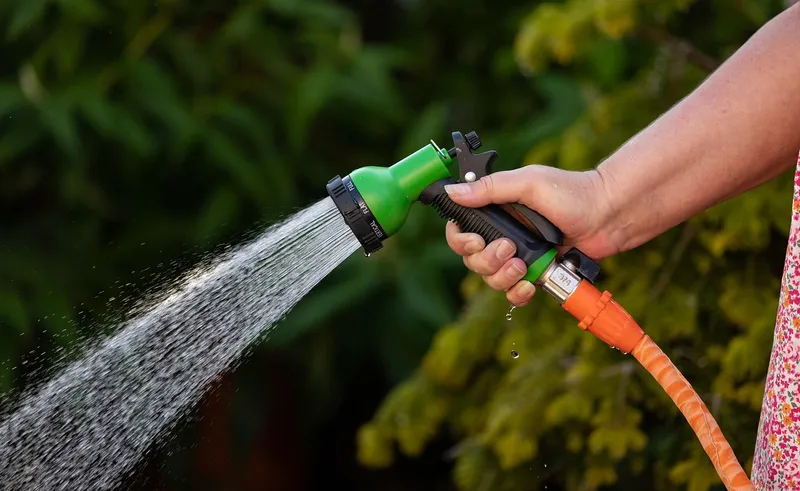
Sometimes the simplest solution is the most effective. If you catch an aphid infestation early, a firm stream of water from your garden hose is often all you need to dislodge them. Aphids are relatively weak crawlers, and once they are knocked off the plant, they rarely find their way back up before a predator finds them.
Focus your spray on the undersides of the leaves, as that is where these pests love to hide and reproduce. Be careful not to use so much pressure that you snap the stems of delicate plants. Doing this in the early morning gives the foliage plenty of time to dry out before the sun gets too hot, which helps prevent fungal issues.
2. The Classic Soapy Water Spray
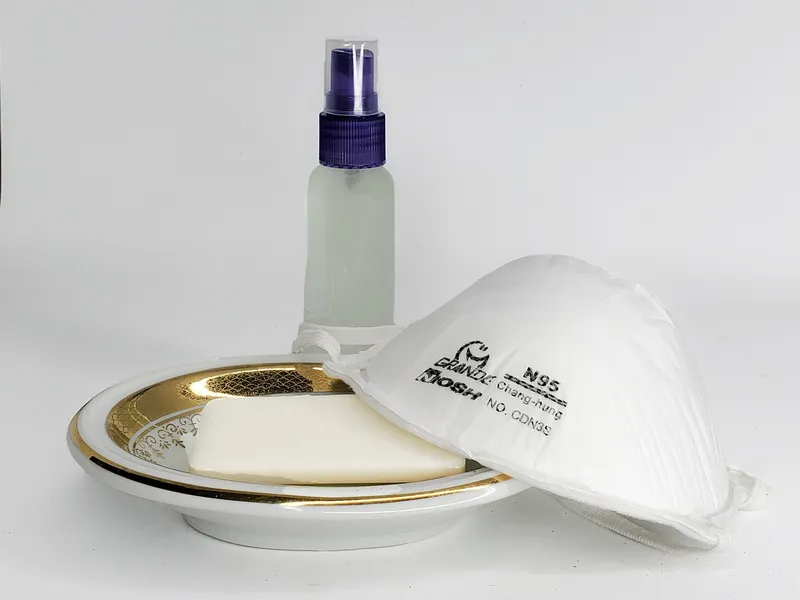
This is arguably the most popular organic remedy because it is cheap and works incredibly fast. By mixing a few teaspoons of liquid castile soap with a quart of water, you create a solution that dissolves the aphid's waxy protective coating. Once that coating is gone, the insect dehydrates and dies almost instantly.
Make sure you use a pure soap, like Dr. Bronner's, rather than a harsh dish detergent which might contain degreasers that harm your plants. Always test a small leaf first to ensure the plant isn't sensitive to the mix. It is best to apply this in the evening so the soap doesn't "cook" the leaves under the midday sun.
3. Neem Oil: The Organic Heavy Hitter
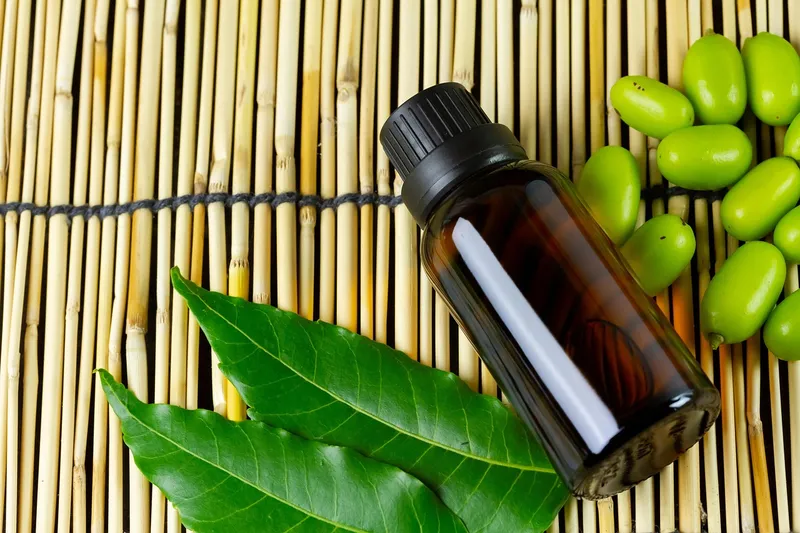
Neem oil is derived from the seeds of the neem tree and is a staple in every organic gardener's toolkit. It doesn't just kill aphids on contact; it also acts as a systemic repellent and disrupts their life cycle. When aphids ingest neem-coated leaves, they stop feeding and lose the ability to lay eggs.
It is important to buy "cold-pressed" neem oil to ensure all the active compounds are still intact. Mix it with a little water and a drop of soap to help it emulsify, then spray it thoroughly over your affected plants. Because it can be thick, you might need to shake the bottle frequently during application to keep it well-mixed.
4. Invite the Ladybug Cavalry
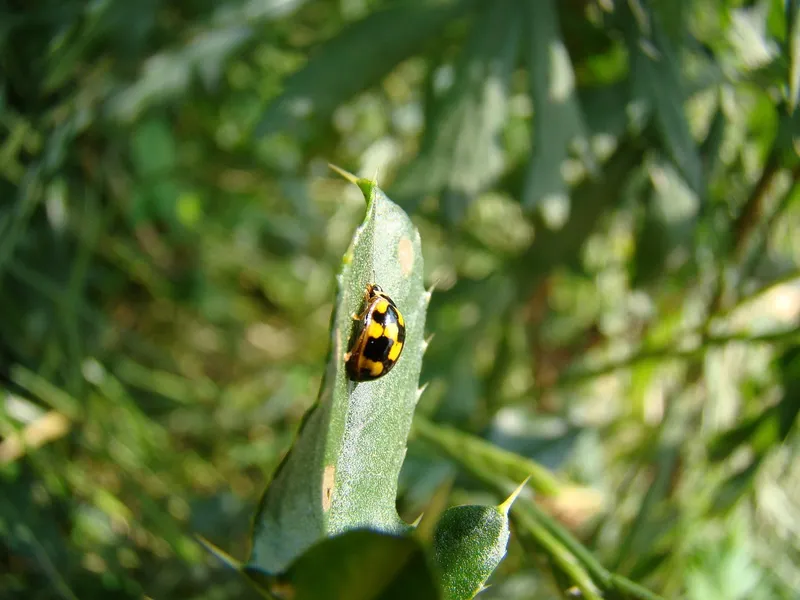
If you want to take a hands-off approach, let nature's own predators do the heavy lifting. Ladybugs are famous for their appetite, and a single adult can gobble up thousands of aphids during its short lifetime. You can actually buy ladybugs online or at local nurseries to release directly into your garden.
The trick to keeping them around is to release them at dusk after lightly misting your plants with water. This encourages them to settle down and take a drink rather than flying away immediately. If they find a steady food source (your aphid problem), they will stick around and even lay eggs to provide a second generation of hungry larvae.
5. Homemade Garlic and Onion Spray
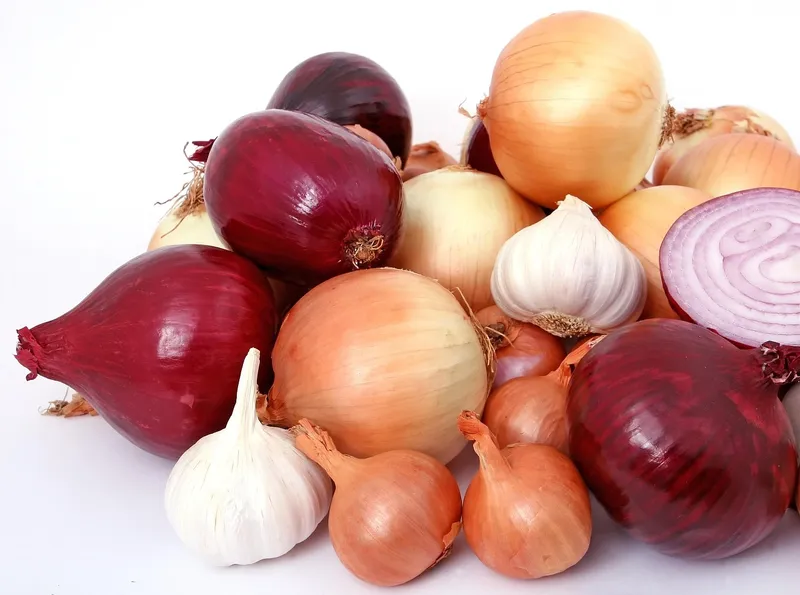
Aphids have a very keen sense of smell, and they absolutely detest the pungent odor of garlic and onions. To make this repellent, toss a few cloves of garlic and a small onion into a blender with some water. Strain the mixture through a cheesecloth so it doesn't clog your spray bottle, and add a drop of soap for stickiness.
This spray doesn't necessarily kill the aphids on contact like the soapy water does, but it makes your plants smell like a kitchen floor. The aphids will find the environment so unappealing that they will move on to find a better-smelling snack elsewhere. Just be prepared for your garden to smell like a giant salad for a day or two!
6. The Hands-On Squish Method
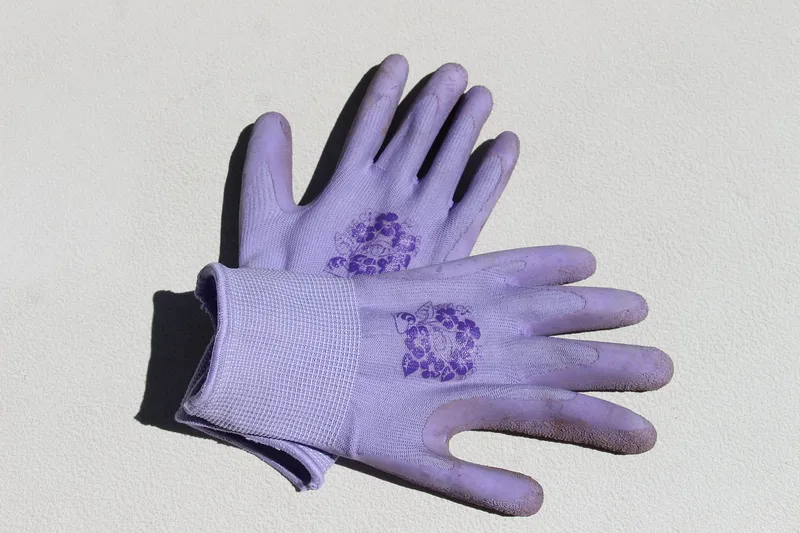
For those who don't mind getting their hands a little dirty, the manual "squish and go" method is surprisingly satisfying. If you see a small cluster of aphids on a single stem, simply run your thumb and forefinger over them. They are very soft-bodied and won't survive the pressure.
This is a great daily habit to get into while you are doing your morning garden walk. By catching small outbreaks before they explode into a full-blown infestation, you can often avoid the need for any sprays at all. Plus, it gives you a chance to inspect the overall health of your plants more closely.
7. Food-Grade Diatomaceous Earth

Diatomaceous Earth (DE) is a fine powder made from the fossilized remains of tiny aquatic organisms called diatoms. To us, it feels like soft flour, but to an insect, it is like walking over microscopic shards of glass. It cuts into the aphid's body and dries them out from the inside out.
Use a duster to apply a light coating to the leaves and the base of the plant. It is vital to use "food-grade" DE to ensure it is safe for pets and humans. Keep in mind that DE only works when it is dry, so if it rains or you water your plants, you will need to reapply it once the foliage has dried off.
8. Essential Oil Blends
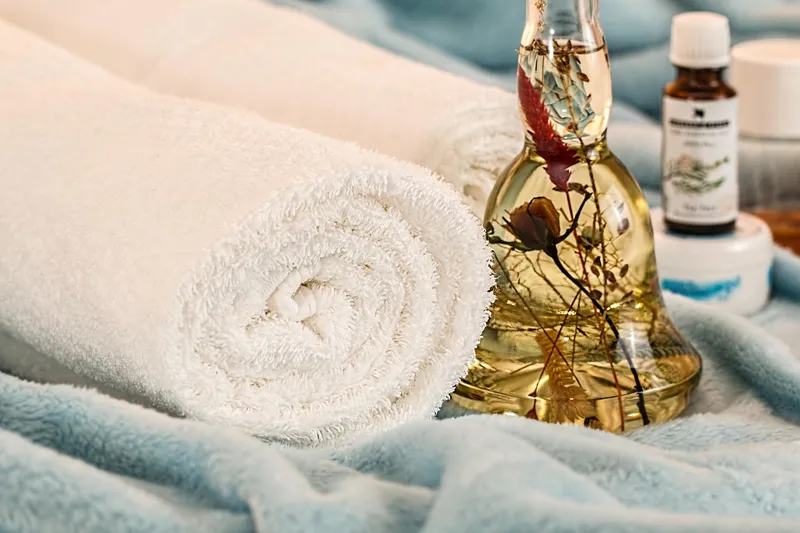
If you love aromatherapy, you will be happy to know that your essential oils can do double duty in the garden. Peppermint, rosemary, thyme, and clove oils are particularly effective at repelling aphids. They contain natural compounds that are toxic to small insects but perfectly safe for humans.
Add about 10-15 drops of your chosen oil to a spray bottle filled with water and a tiny bit of soap. Shake it up and give your plants a good misting. Not only does this keep the bugs away, but it also makes your garden smell incredible every time the breeze blows through the leaves.
9. Strategic Companion Planting
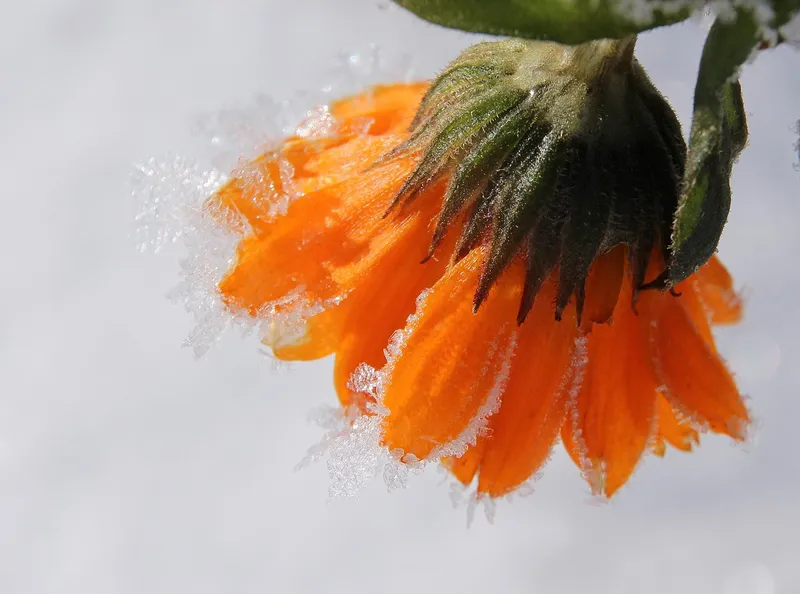
Think of companion planting as natural neighborhood watch for your garden. Certain plants, like marigolds, chives, and alliums, produce scents that confuse or repel aphids. By interplanting these among your most vulnerable crops, you create a natural barrier that makes it harder for pests to find their targets.
Alternatively, you can use "trap crops" like nasturtiums. Aphids actually love nasturtiums even more than they love your kale. By planting a sacrificial patch of nasturtiums nearby, the aphids will flock to them, leaving your main garden beds untouched. Once the trap crop is full of bugs, you can pull it out and dispose of it.
10. Rubbing Alcohol Spot Treatment
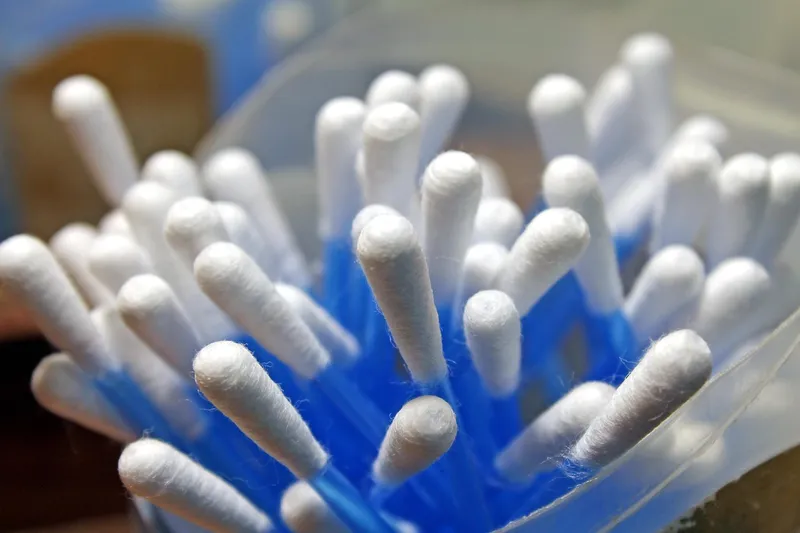
If you have a indoor plant or a particularly delicate succulent with an aphid problem, rubbing alcohol is a great precision tool. Dip a cotton swab into 70% isopropyl alcohol and dab it directly onto the aphid colonies. The alcohol melts their exterior and kills them instantly without leaving a messy residue.
Be careful not to soak the entire plant in alcohol, as it can cause leaf burn on some species. This method is best for small-scale issues where you want to be surgical in your approach. It's also very effective for those hard-to-reach nooks and crannies where leaves meet the stem.
11. Burying Banana Peels
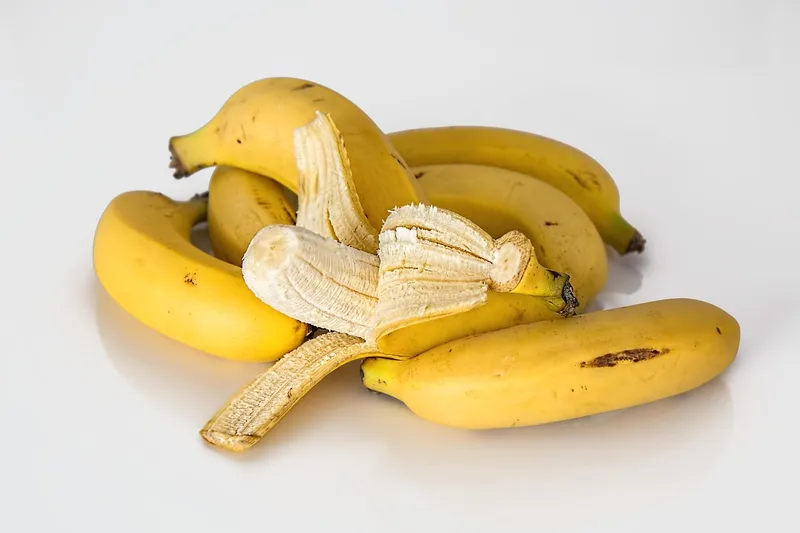
This might sound like an old wives' tale, but many gardeners swear by the power of the banana peel. Aphids are supposedly deterred by the smell of decaying bananas. Beyond the repellent factor, banana peels are packed with potassium, which helps strengthen the cell walls of your plants.
Stronger cell walls make it much harder for the aphid's tiny mouthparts to pierce the leaf and suck out the sap. Simply chop up your leftover peels and bury them an inch or two deep around the base of your aphid-prone plants. It's a win-win: you get rid of pests and feed your soil at the same time.
12. The Flour Dusting Trick

If you are dealing with a massive breakout and don't have any specialized products on hand, go to your pantry and grab the all-purpose flour. Dusting your plants with a fine layer of flour can gum up the aphids' mouthparts and digestive systems. It essentially renders them unable to feed.
The flour also acts as a desiccant, pulling moisture out of their bodies. While it might make your garden look like a winter wonderland for a few days, it is a very effective way to knock back a large population quickly. Just like the DE, you will need to wash it off and reapply if it gets wet.
13. Blackstrap Molasses Spray

Molasses isn't just for cookies; it is a powerful soil amendment that can actually help with pest control. When diluted in water and sprayed on leaves, the high sugar content boosts the plant's brix levels (sugar content). For some reason, many sap-sucking insects find high-sugar plants much less appetizing.
Dissolve two tablespoons of blackstrap molasses in a gallon of warm water and spray your plants thoroughly. Not only does this deter aphids, but the molasses also feeds the beneficial microbes on the leaf surface and in the soil. It's like giving your plants a vitamin boost and a shield all at once.
14. Reflective Mulch and Foil
Aphids use the light from the sky to orient themselves when they are flying in search of a new host plant. By placing reflective mulch - or even just some aluminum foil - around the base of your plants, you bounce the light back up at them. This confuses the aphids and often causes them to fly right past your garden.
This is particularly effective for protecting young seedlings that are too small to survive a heavy attack. Once the plants grow large enough to shade the mulch, the effect diminishes, but by then the plants are usually sturdy enough to handle a few bugs. It is a clever, high-tech feeling solution for a very low-tech problem.
Dealing with aphids doesn't have to be a battle of man versus nature involving scary chemicals. By choosing one - or a few - of these organic methods, you are working with the ecosystem rather than against it. Remember that a few aphids aren't the end of the world; they are actually a sign that your garden is a living, breathing habitat. Keep a close eye on your green friends, stay consistent with your natural treatments, and you will have a thriving, pest-resistant garden that you can truly be proud of.