Imagine walking out to your garden with a hot cup of coffee, ready to admire your prize-winning roses, only to find the leaves curled and covered in tiny, sap-sucking invaders. It is a heartbreaking sight that many of us know all too well. We pour so much love, water, and compost into our flower beds, so seeing our roses get bullied by pests feels a bit like a personal affront to our hard work.
In this guide, we are diving deep into the world of neem oil - a natural, multi-tasking powerhouse that every rose lover should keep in their garden shed. You will learn exactly what this plant-based oil is, how it works its magic without harming the environment, and the best ways to apply it so your roses stay vibrant and healthy all season long. It is time to ditch the harsh chemicals and embrace a solution that works with nature, not against it.
Nature's Secret Weapon: What Exactly is Neem Oil?
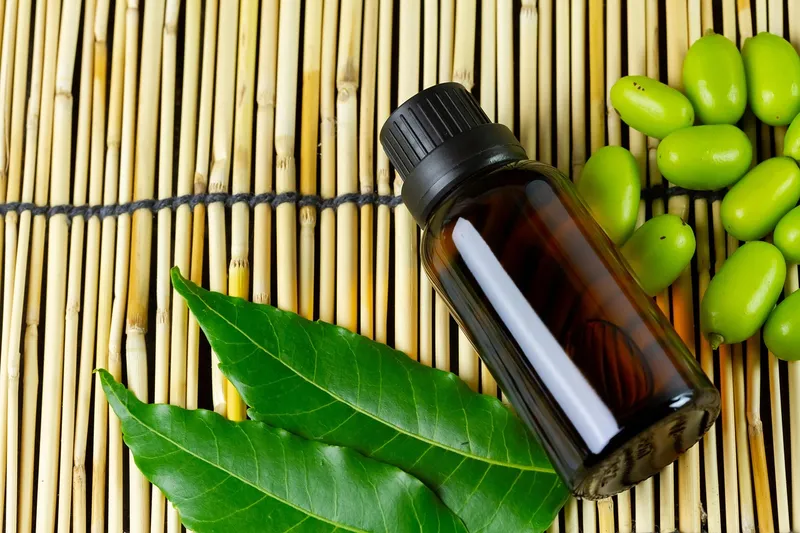
Neem oil is a naturally occurring pesticide found in the seeds of the neem tree, scientifically known as Azadirachta indica. This tree is native to India and has been a staple in traditional medicine and sustainable agriculture for thousands of years. While it might sound like a trendy new garden hack, it is actually one of the oldest and most reliable tools in a gardener's arsenal.
When you buy neem oil, you are getting a complex mixture of various compounds, but the real star of the show is Azadirachtin. This active ingredient is what makes life miserable for garden pests. Most high-quality neem oils are cold-pressed to ensure these delicate organic compounds remain intact and effective for your plants.
Think of neem oil as the ultimate multi-tasker. It is not just a pesticide; it also acts as a fungicide and a miticide. This "three-in-one" punch is exactly why it is so perfect for roses, which tend to be magnets for all sorts of different botanical troubles at once.
The Silent Saboteur: How It Works on Bugs
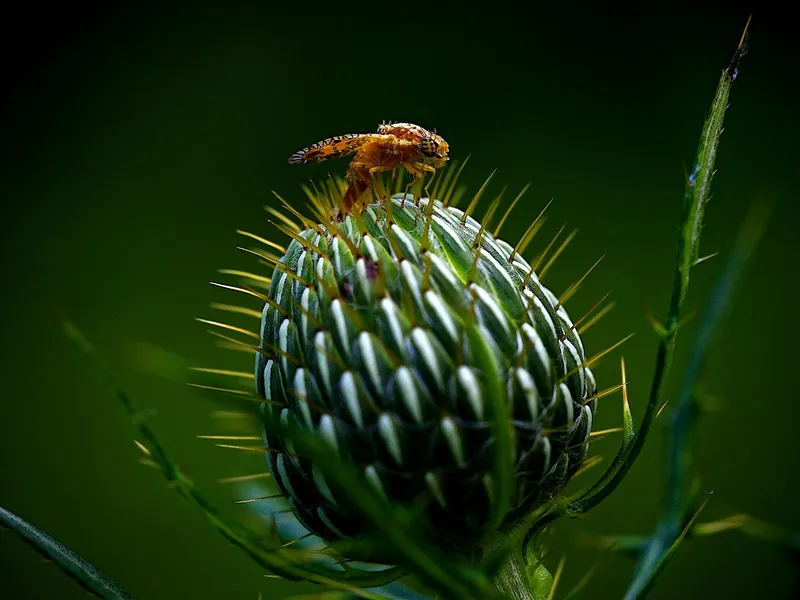
Unlike many synthetic sprays that kill insects on contact with a blast of toxic chemicals, neem oil plays a much more clever game. It is primarily an IGR, or Insect Growth Regulator. This means it interferes with the internal systems of the bugs that try to eat your roses, preventing them from maturing and reproducing.
When a pest like an aphid or a beetle nibbles on a leaf treated with neem oil, the Azadirachtin enters their system and messes with their hormones. It essentially "tricks" the insect into forgetting to eat, mating, or laying eggs. Over a few days, the population simply collapses because the adults can't reproduce and the larvae can't grow into the next stage of their life cycle.
This approach is much more sustainable for your garden's ecosystem. Since the oil has to be ingested or directly coated onto the pest to work, it doesn't just go around killing every living thing in the vicinity. It targets the "bad guys" who are actively munching on your foliage while leaving the rest of the garden's visitors alone.
The Big Three: Aphids, Spider Mites, and Thrips
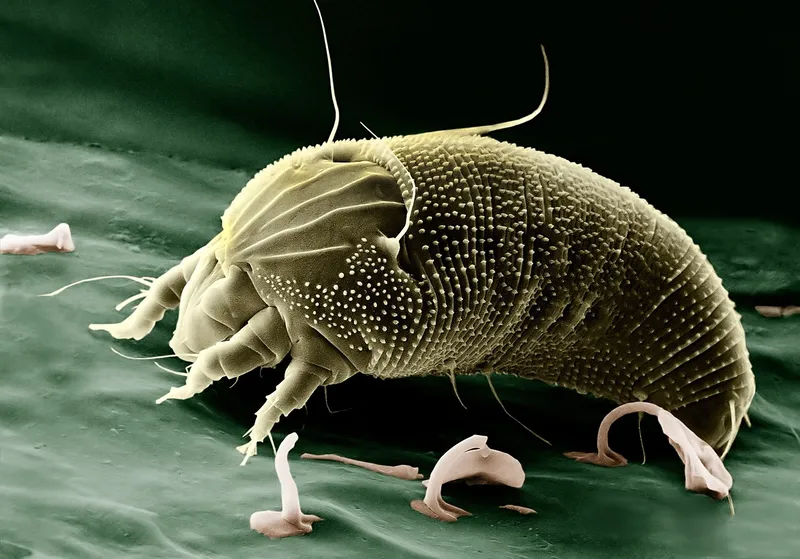
Roses are notoriously susceptible to the "Big Three" of the pest world: aphids, spider mites, and thrips. Aphids are those tiny, soft-bodied green or red insects that cluster around new growth and flower buds. They suck the life out of the plant, causing leaves to curl and stunted, deformed flowers that never quite reach their full potential.
Spider mites are even more devious because they are almost invisible to the naked eye until you see the tell-tale fine webbing on the undersides of your leaves. They thrive in hot, dry conditions and can turn a lush rose bush into a bronzed, crispy mess in a matter of weeks. Neem oil is exceptionally good at suffocating these tiny arachnids and their eggs.
Thrips are perhaps the most frustrating because they hide deep inside the petals of the rose itself. They cause the edges of the petals to turn brown and "ball up," preventing the flower from ever opening. By using a neem oil drench or spray, you can reach these hidden invaders and stop their destructive feeding habits before they ruin your floral display.
Beyond Bugs: Taming Black Spot and Powdery Mildew
Any seasoned rose gardener knows that bugs are only half the battle; fungal diseases are the other lurking shadow. Black spot is the bane of the rose world, showing up as dark circular spots on leaves that eventually turn yellow and drop off. If left unchecked, it can completely defoliate a bush, leaving it weak and vulnerable to the winter cold.
Neem oil acts as a powerful preventative fungicide. When you spray it on your roses, it forms a thin, protective oily barrier that prevents fungal spores from ever taking root in the leaf tissue. It is also effective against powdery mildew, that white, flour-like coating that seems to appear overnight when the humidity shifts.
Because it works on both the pests that weaken the plant and the diseases that kill the foliage, neem oil provides a comprehensive health plan for your roses. You don't have to worry about mixing three different chemicals; one bottle usually handles most of the common issues you will face during the growing season.
A Safe Haven for Beneficial Insects
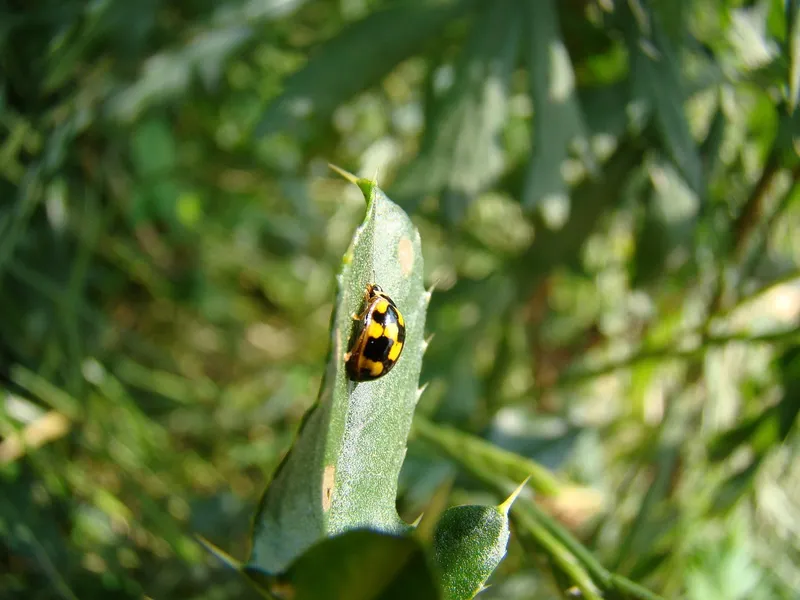
One of the biggest worries when using any kind of spray is the impact on "the good guys." We want to get rid of the aphids, but we definitely want to keep our ladybugs, lacewings, and bees. This is where neem oil truly shines as a sustainable choice for the environmentally conscious gardener.
Beneficial insects like bees and butterflies generally don't eat the leaves of your roses; they are just there for the nectar and pollen. Since neem oil works primarily through ingestion, it doesn't harm these pollinators once the spray has dried. Ladybugs and predatory wasps are also mostly safe because they aren't the ones munching on the treated plant tissue.
To be as safe as possible, you should always apply your neem oil spray in the late evening or very early morning. This is when bees are less active, and it gives the oil time to dry before the "workday" begins for your local pollinators. It's a win-win situation where your roses stay protected, and your garden remains a buzzing, thriving habitat.
Mixing Your Own Magical Rose Potion

While you can buy "ready-to-use" neem sprays at the store, they are often diluted and more expensive in the long run. Buying concentrated, 100% cold-pressed neem oil is the way to go. It is more potent, lasts longer, and allows you to control the strength of the mixture based on how bad your pest problem is.
The standard recipe is simple: one quart of warm water, one teaspoon of high-quality neem oil, and about a half-teaspoon of mild liquid dish soap. The soap is crucial because oil and water don't mix on their own. The soap acts as an emulsifier, breaking down the oil so it can be evenly distributed throughout the water.
Give the bottle a good shake before and during use to keep the mixture combined. Use this spray within 24 hours of mixing, as the active ingredients start to break down once they are diluted in water. Making a fresh batch each time ensures you are giving your roses the most effective protection possible.
Best Practices for Applying Neem Oil
Timing and technique are everything when it comes to garden treatments. You want to thoroughly coat the plant, including the stems and especially the undersides of the leaves. Most pests love to hide on the bottom of the foliage where they are shielded from the sun and rain, so don't be afraid to get in there and spray upwards.
Frequency matters, too. If you are dealing with an active infestation, spraying once every seven days is usually necessary to break the pest's life cycle. If you are just using it as a preventative measure to keep things clean, once every two weeks is typically plenty to keep the fungus and bugs at bay.
Always check the weather forecast before you start spraying. You want at least 24 hours of dry weather so the oil isn't immediately washed away by a summer rainstorm. Also, avoid spraying during the heat of the day, as the combination of oil and intense direct sunlight can lead to some unintended consequences for your leaves.
Avoiding the Infamous "Sunburn" Effect

Even the best organic treatments have a few rules to follow. The most common mistake people make with neem oil is applying it when the sun is at its peak. Think of the oil on the leaves like tanning oil on your skin - it can magnify the sun's rays and actually "cook" or scorch the delicate leaf tissue of your roses.
If you see leaves turning brown or crispy at the edges after a treatment, you might be dealing with phytotoxicity (basically a chemical sunburn). To prevent this, always spray in the cool of the evening. This gives the oil several hours to be absorbed and for the excess moisture to evaporate before the sun comes back up the next morning.
It is also a good idea to "test" the spray on a single branch before you go to town on your entire rose collection. Some specific varieties of roses can be a bit more sensitive than others. Wait 24 hours after your test spray; if the leaves look happy and healthy, you are good to go for the rest of the garden.
At the end of the day, gardening is about finding a balance that lets both you and your plants thrive. Switching to neem oil isn't just about killing bugs; it's about choosing a path that respects the biology of your roses and the health of the earth. When you see those first perfect, unblemished blooms open up, you will know that a little bit of natural oil was all you ever needed. Grab a bottle, mix a batch, and go give your roses the protection they deserve - they will definitely thank you with the best bloom season you've ever had.