Ever looked at your pepper plants and wondered why they seem a bit lonely? Maybe the leaves are looking a bit chewed, or the yields aren't quite hitting that salsa-making peak you dreamed of. It's a common frustration for gardeners of all levels, but the solution might be simpler than you think - your peppers just need the right roommates.
In this guide, we're diving into the world of companion planting to discover the best botanical buddies for your peppers. We'll explore how certain flowers, herbs, and veggies can boost growth, repel nasty pests, and even make your harvest taste better. By the end, you'll have a roadmap for a more productive, resilient garden that works for you.
Why Companion Planting is a Game-Changer
Think of your garden as a tiny, bustling neighborhood. Just like people, plants have neighbors they love and others they really can't stand. When you get the pairings right, magic happens under the soil and in the air.
Companion planting isn't just an old gardener's tale; it's a smart way to manage your garden's health. By mixing species, you can naturally deter pests that hate certain scents or attract beneficial insects that hunt the "bad guys." It also helps optimize garden space and improves soil nutrients.
For peppers, which can be a bit finicky about temperature and pests like aphids, the right companions provide a safety net. They create a microclimate that keeps the soil cool and the moisture level just right. Let's look at the top contenders for your pepper patch.
1. Basil
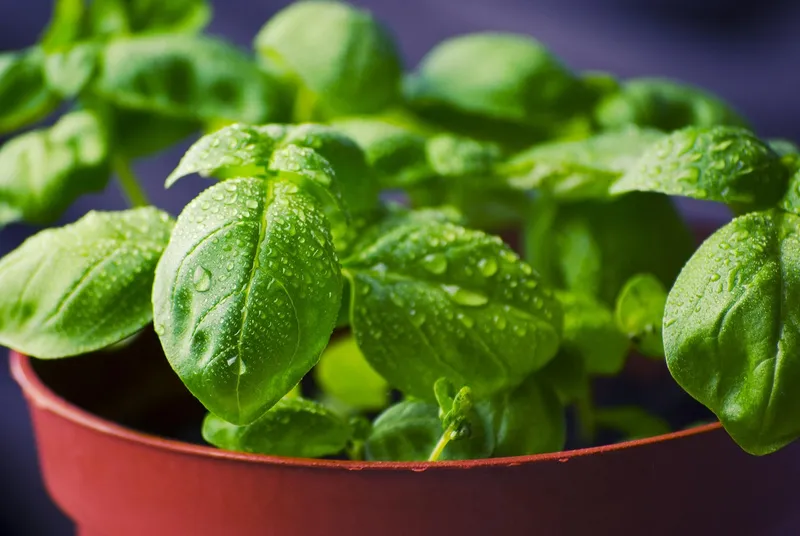
Basil and peppers are a match made in culinary heaven, but their relationship starts long before they hit the kitchen. Many gardeners swear that planting basil near peppers actually improves the flavor of the fruit. While the science on taste is debated, the pest-repelling benefits are very real.
The strong essential oils in basil act as a natural deterrent for thrips, flies, and aphids. These are the usual suspects that love to hang out on pepper leaves and cause trouble. Plus, basil provides a dense ground cover that helps keep the soil moist around your peppers' roots.
Try tucking a few basil plants in between your pepper rows. They don't take up much room and they thrive in the same sunny conditions. You'll get a double harvest of spicy peppers and fragrant herbs for your summer cooking.
2. Marigolds
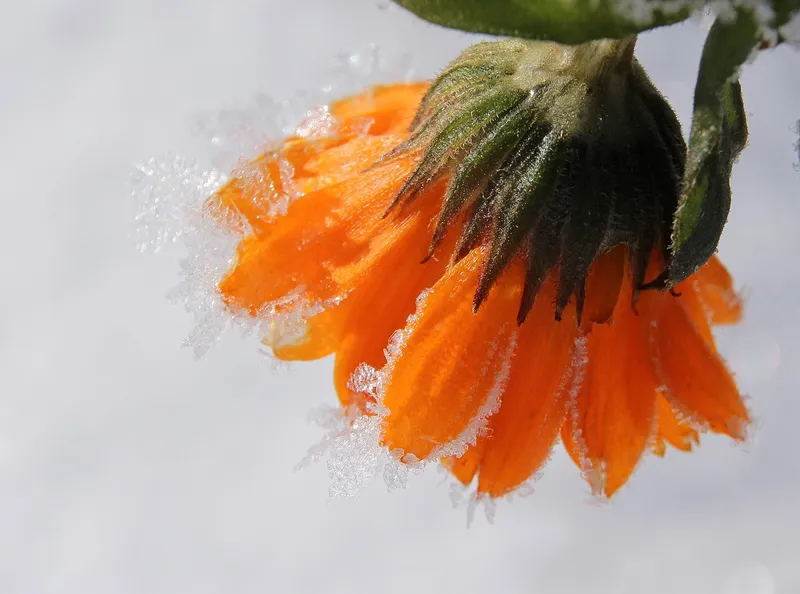
If you want a splash of color that also acts as a garden bodyguard, look no further than marigolds. These hardy flowers are famous in the gardening community for their ability to repel nematodes. These tiny soil-dwelling worms can wreak havoc on pepper roots if left unchecked.
But the benefits don't stop underground. The pungent scent of marigolds is a major turn-off for many flying pests, including beetles and aphids. They also attract ladybugs and hoverflies, which are the natural predators of the insects you don't want near your crops.
French marigolds are particularly effective for this purpose. Plant them as a border around your pepper bed or dot them throughout the rows. They are tough, easy to grow, and keep the garden looking beautiful all season long.
3. Onions and Garlic
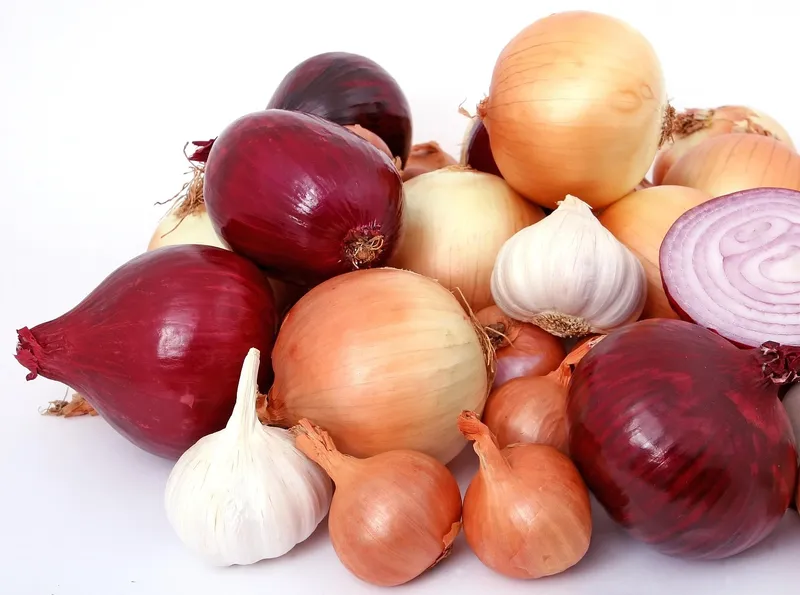
The Allium family, which includes onions, garlic, and chives, are the heavy hitters of the pest-repelling world. Their intense aroma acts like a cloaking device for your peppers. It masks the scent of the pepper plants, making it much harder for pests to find them.
Aphids, cabbage loopers, and even rabbits tend to steer clear of areas smelling strongly of onions. Because onions and garlic grow mostly underground, they don't compete with peppers for space or light. This makes them perfect for filling in those small gaps between your larger plants.
Planting garlic in the fall or onions in the spring ensures you have constant protection. Just be sure to harvest them carefully so you don't disturb the shallow root systems of your pepper plants. It's a low-maintenance way to keep your garden safe.
4. Parsley
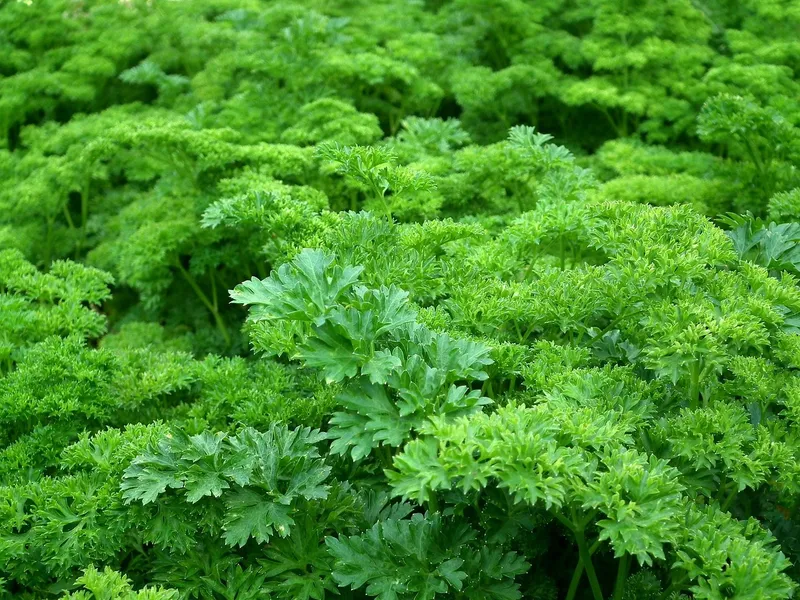
Parsley is more than just a garnish; it's a magnet for beneficial insects. When parsley is allowed to flower, it produces tiny umbrella-shaped blooms that are a favorite for predatory wasps. Don't worry - these wasps don't care about humans; they only have eyes for the aphids and caterpillars eating your peppers.
This herb also provides excellent ground cover. Its feathery leaves help shade the soil, reducing evaporation and keeping the pepper roots from overheating during those scorching July afternoons. It's a hardy plant that can handle a bit of shade from the taller pepper plants.
You can plant parsley right at the base of your pepper plants. It stays relatively low to the ground and won't compete for sunlight. It's a "set it and forget it" companion that pays dividends in garden health.
5. Tomatoes
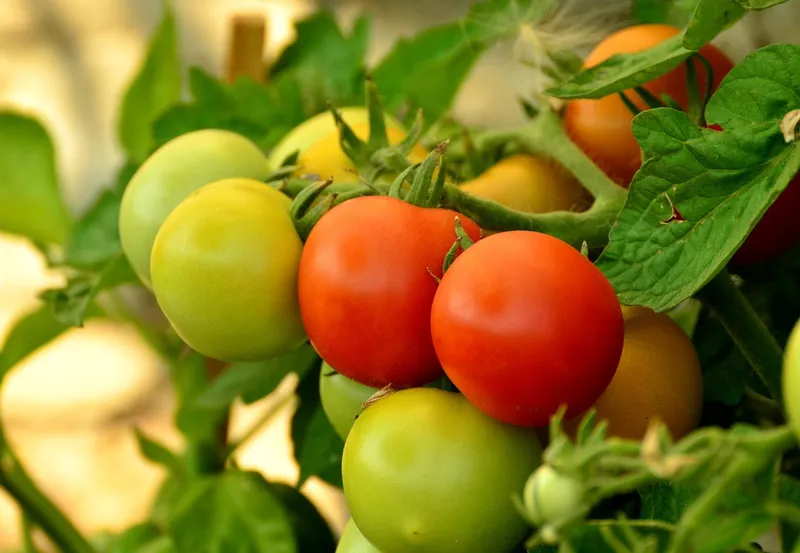
Peppers and tomatoes are cousins in the Solanaceae family, so they have very similar needs. They both love full sun, consistent water, and nutrient-rich soil. Because they grow at different heights, they can share space quite effectively.
Tall tomato plants can provide much-needed afternoon shade for smaller pepper varieties. This prevents "sunscald," a condition where the pepper fruit literally gets a sunburn. Just make sure you leave enough room for air to circulate so they don't share any fungal diseases.
When planting them together, give each plant plenty of "elbow room." Good airflow is the key to keeping both tomatoes and peppers healthy. They'll share the same trellis or cage system if you're creative with your garden layout.
6. Carrots
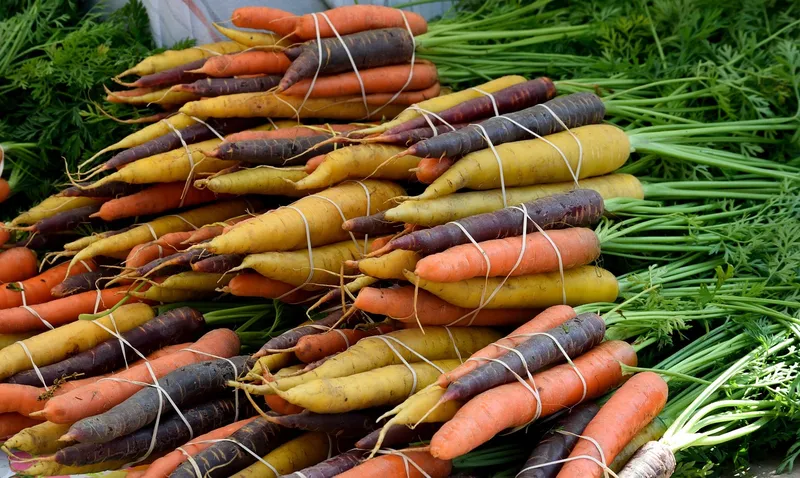
Carrots are fantastic companions because they are the ultimate "space-savers." While peppers grow up and out, carrots do all their heavy lifting underground. This means you can grow a whole crop of carrots in the space usually wasted between pepper plants.
Carrots also help loosen the soil as they grow, which can benefit the pepper's root system. The lacy green tops of the carrots act as a living mulch. They keep the soil surface cool and moist, which peppers absolutely love during the peak of summer.
To make this work, sow your carrot seeds around the base of your pepper seedlings. By the time the peppers are big and bushy, the carrots will be well on their way to harvest. It's an efficient way to maximize your yield from a small garden bed.
7. Oregano
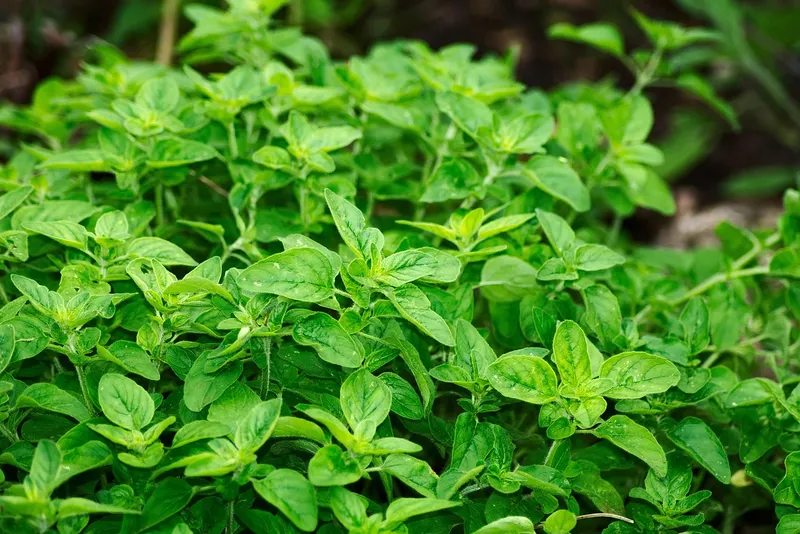
Oregano is a powerhouse perennial that everyone should have in their garden. It's a low-growing herb that spreads to form a thick, protective mat over the soil. This living mulch prevents weeds from popping up and stealing nutrients from your peppers.
The scent of oregano is also known to confuse many common garden pests. When it flowers, it attracts a variety of pollinators and beneficial insects like lacewings. These "good bugs" are essential for a healthy garden ecosystem.
Since oregano is a perennial, you only have to plant it once. It will come back year after year, providing a permanent home for your peppers. Just give it a little trim if it starts to spread too far into your walking paths.
8. Dill
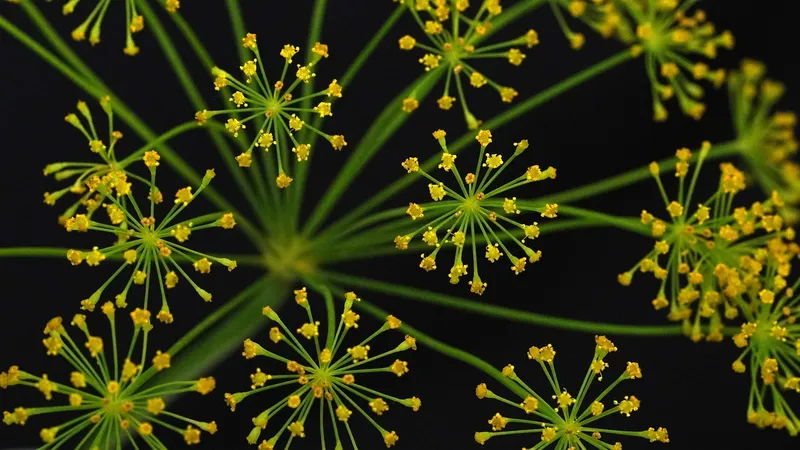
Dill is an interesting one because its benefits change as it grows. When young, its feathery foliage provides a nice visual contrast in the garden. But the real magic happens when it goes to seed and produces those large, flat flower heads.
These flowers are irresistible to hoverflies and predatory wasps. These insects are the primary enemies of aphids, which are often the biggest threat to a healthy pepper harvest. By planting dill, you are essentially hiring a security team for your peppers.
One thing to note: some gardeners find that dill can be a bit competitive if left to grow too large. It's best to plant it a foot or two away from the peppers rather than right against the stem. This gives both plants the room they need to shine.
9. Nasturtiums
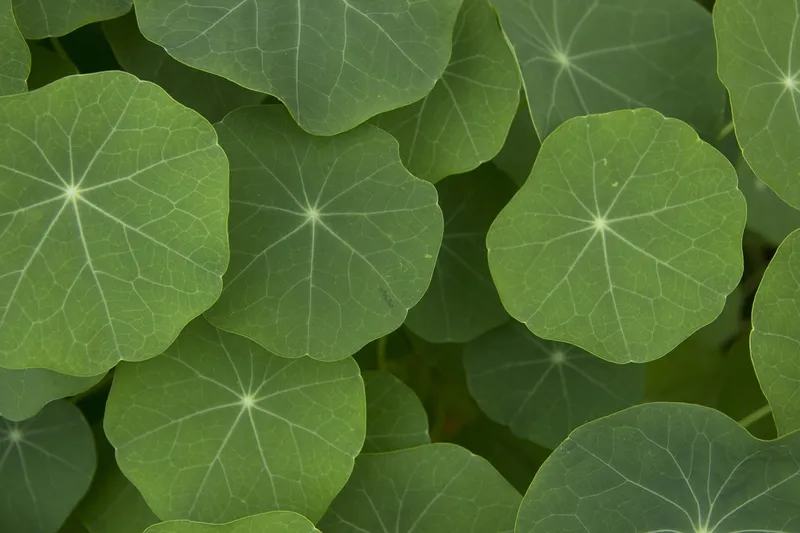
Nasturtiums are often called "trap crops," and for good reason. They are incredibly attractive to aphids - even more so than peppers. By planting them nearby, you're giving the aphids a tasty distraction so they leave your peppers alone.
Beyond being a sacrificial lamb, nasturtiums also repel squash bugs and beetles. Their leaves and flowers are completely edible, adding a peppery kick to your summer salads. They are fast-growing and come in beautiful shades of sunset orange, red, and yellow.
Let them trail along the edges of your garden beds or climb up a small trellis. They don't mind poor soil and are very easy to grow from seed. They add a wild, whimsical look to any vegetable patch.
10. Spinach and Lettuce
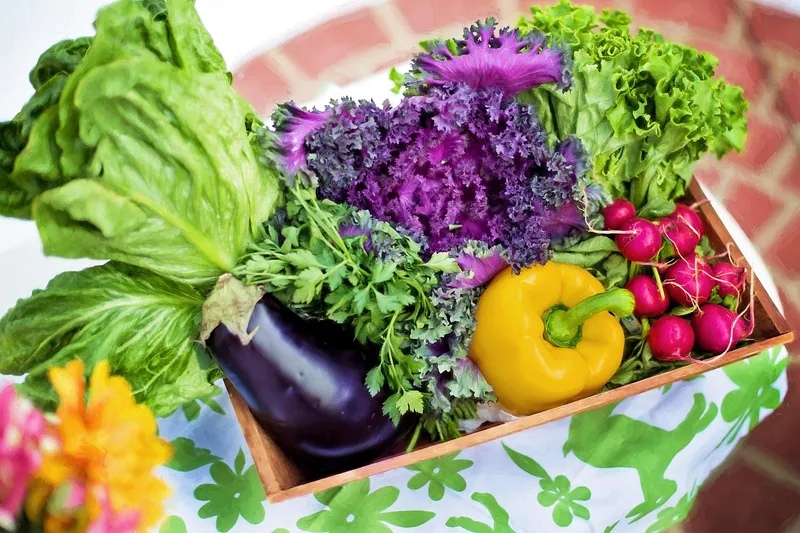
Greens like spinach and lettuce are the perfect "understory" plants for peppers. Since they grow low to the ground and prefer a bit of shade, they thrive under the leafy canopy of a mature pepper plant. This is a great way to use vertical space.
The broad leaves of spinach act as a natural weed barrier. They cover the soil so thoroughly that weed seeds never get the sunlight they need to germinate. This saves you hours of weeding time throughout the season.
Plus, because lettuce and spinach grow quickly, you can often get a full harvest before the pepper plants even get large enough to crowd them out. It's a win-win for anyone looking to get more food out of a small space.
11. Rosemary
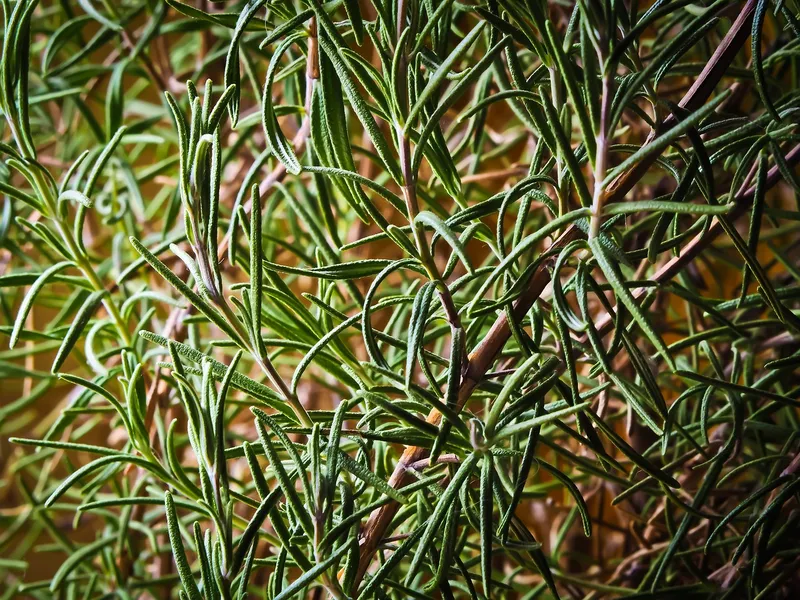
Rosemary is a sturdy, woody herb that brings a lot to the table. Its intense fragrance is a powerful deterrent for many flying insects. If you struggle with bean beetles or certain types of flies, rosemary can help clear the air.
Because rosemary can grow into a large bush, it's best to plant it in a pot nearby or at the end of a pepper row. It doesn't like to have its roots disturbed, so give it a permanent spot where it can grow for years. Its blue flowers are also a favorite for early-season bees.
Having rosemary near your peppers also makes it easy to grab a handful of herbs while you're harvesting your vegetables. It's a convenient and fragrant addition to your gardening routine.
12. Geraniums
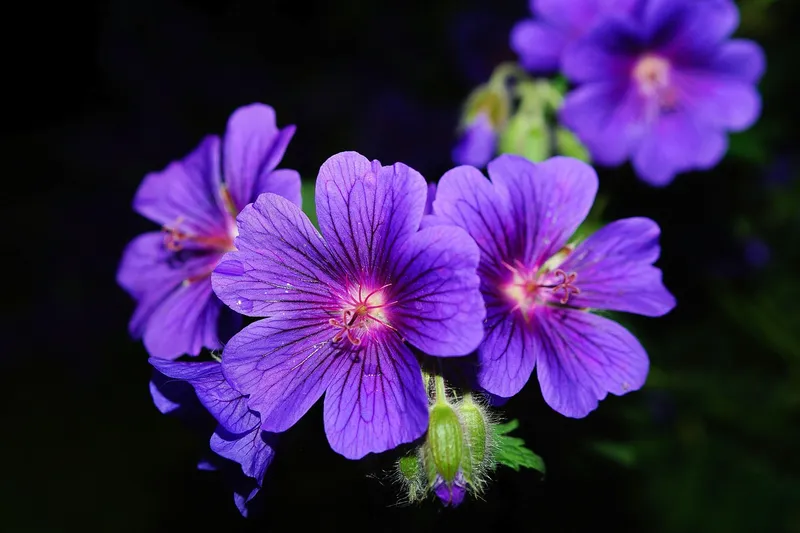
Geraniums aren't just for window boxes; they are actually incredible at protecting vegetable gardens. Specifically, they are known to repel Japanese beetles, which can be a nightmare for many gardeners. The beetles eat the geranium leaves, which contain a substance that temporarily paralyzes them.
This makes the beetles easy targets for birds and other predators. Geraniums also help deter beet leafhoppers, which can carry diseases that affect pepper plants. They are a tough, drought-tolerant option for the sunny spots in your garden.
Plant them in pots and move them around as needed, or put them directly in the ground. Their bright clusters of flowers will keep your garden looking lively while they do the hard work of pest management.
What to Avoid: Bad Neighbors for Peppers

While most plants play well together, there are a few "bad neighbors" you should keep away from your peppers. The biggest one is the brassica family, which includes broccoli, cabbage, and cauliflower. These plants can actually stunt the growth of peppers and compete heavily for the same nutrients.
Fennel is another one to watch out for. It's a bit of a "loner" in the garden and can inhibit the growth of many other vegetables, including peppers. It's best to give fennel its own dedicated space far away from your main veggie beds.
Finally, avoid planting peppers near apricots if you live in an area where certain fungal wilts are common. The fungus can jump from the tree to your plants, potentially ruining your entire harvest. Stick to the "good neighbor" list and you'll be in great shape.
The beauty of gardening is that it's a living experiment. You don't need a massive farm to see the benefits of companion planting; even a few pots on a balcony can become a thriving ecosystem. Try mixing and matching these plants this season and watch how your peppers respond. You might just find that your biggest harvest ever was simply a matter of making sure your plants had the right friends by their side!