Have you ever stared at a seed packet and felt like 90 days was a lifetime? We've all been there - pacing the garden rows, waiting for that first sign of life while the grocery store bills keep climbing. There's something undeniably frustrating about waiting months for a single salad when you're hungry right now. Gardening is often taught as a lesson in patience, but honestly, sometimes we just want a win without the wait.
This guide dives into the world of "speed gardening," focusing on vegetables you can plant today and eat in less than a month. We'll explore which varieties actually live up to the hype and how you can maximize your space for a constant stream of fresh produce. Whether you're a first-timer or a seasoned pro, these fast-growing crops will give you that instant gratification your garden has been missing.
Radishes: The Undisputed Speed Kings
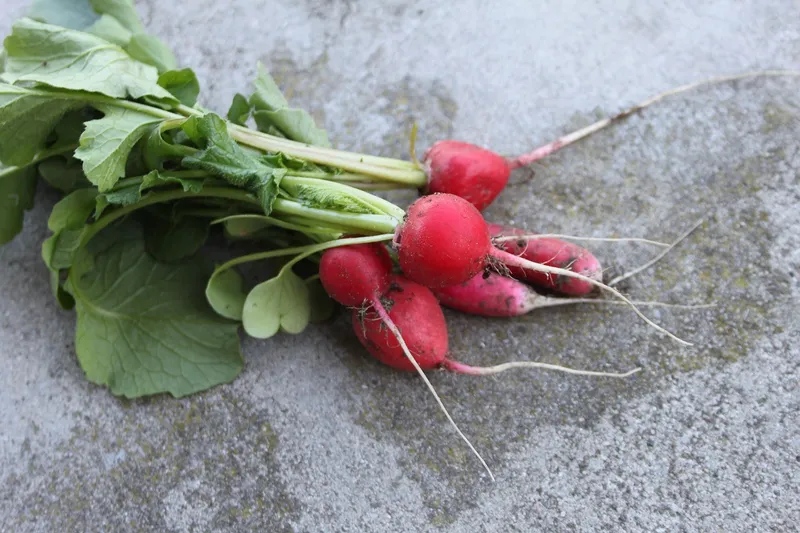
If you want the fastest possible results, radishes are your best friends. Some varieties, like the 'Cherry Belle' or 'French Breakfast,' can go from seed to plate in as little as 21 to 25 days. They are incredibly hardy and don't mind a bit of cool weather, making them perfect for early spring or late autumn planting.
The trick with radishes is to keep the soil consistently moist. If the soil dries out too much, they tend to get woody and overly spicy. You'll know they're ready when you see the "shoulders" of the radish popping up out of the dirt. Just pull one up, give it a quick rinse, and you've got a crunchy snack ready to go.
Don't throw away the tops, either! Radish greens are completely edible and have a slightly peppery kick. You can sauté them with a little garlic or toss them into a pesto. It's a true "two-for-one" deal that happens in record time.
Arugula: The Gourmet Green
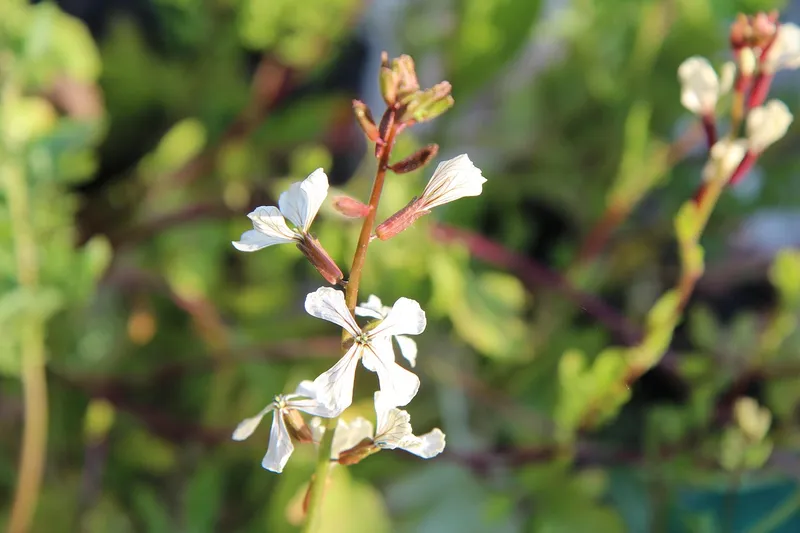
Arugula, or rocket, is a favorite in high-end restaurants, but it's surprisingly easy to grow at home. If you harvest it as "baby" leaves, you can start picking your crop in about 20 to 25 days. It has a distinct peppery, nutty flavor that adds a massive punch to any sandwich or salad.
Arugula is a "cut and come again" crop. This means you can snip off the outer leaves with scissors, and the plant will keep growing from the center. It's the gift that keeps on giving throughout the month.
One thing to watch out for is heat. Arugula loves cool weather and will "bolt" (go to seed) quickly if the sun gets too intense. If you're growing in mid-summer, try giving it some afternoon shade to keep the leaves tender and sweet rather than bitter.
Baby Spinach: Tender and Versatile
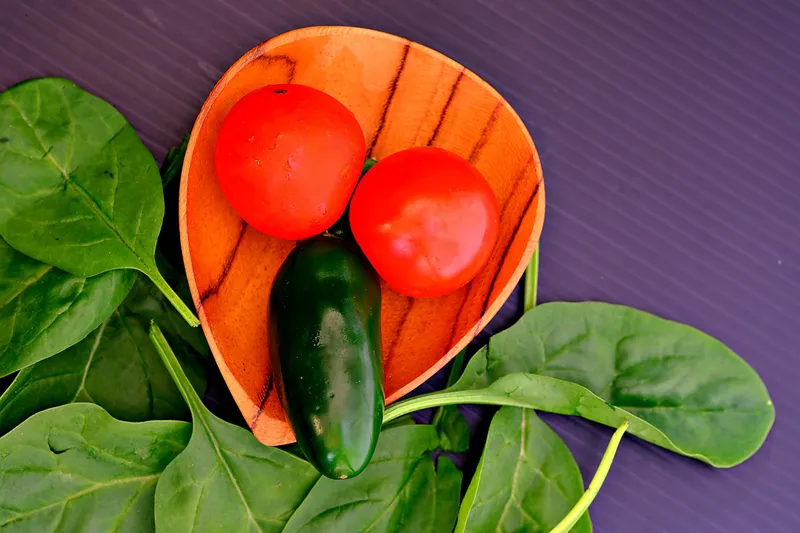
While a full-grown head of spinach might take six weeks, baby spinach is ready much sooner. You can typically start harvesting those small, tender leaves in about 28 days. These young leaves are much sweeter and less fibrous than the mature ones you find in big bunches at the store.
Spinach seeds can be a little finicky about germination if the soil is too hot. If you're struggling, try soaking the seeds in water for a few hours before planting. This softens the outer shell and gives them a little "nudge" to start growing faster.
Like arugula, spinach is perfect for small containers. You don't need a massive backyard to grow enough for a daily smoothie or a side salad. Just a simple window box and some decent potting soil will do the trick.
Microgreens: The Ultimate Shortcut
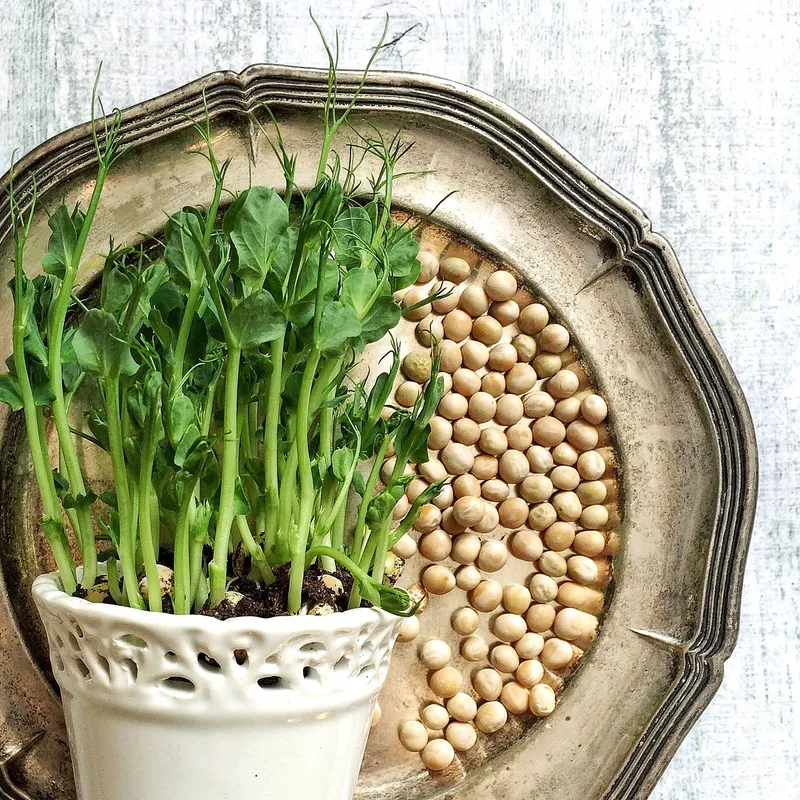
If 25 days still feels too long, let's talk about microgreens. These aren't a specific type of vegetable, but rather the "infant" stage of plants like broccoli, kale, sunflowers, and peas. You harvest them just after the first set of true leaves appears, which usually takes between 7 and 14 days.
Microgreens are incredibly nutrient-dense, often containing higher concentrations of vitamins than their adult counterparts. You can grow them in a shallow tray on your kitchen counter. You don't even need expensive "grow lights" - a sunny windowsill is usually enough to get them through their short life cycle.
To harvest, just snip them at the soil line with clean scissors. They make a beautiful garnish for soups, avocado toast, or tacos. Because they grow so fast, you can start a new tray every week for a never-ending supply of "superfood" greens.
Garden Cress: The Quickest Garnish
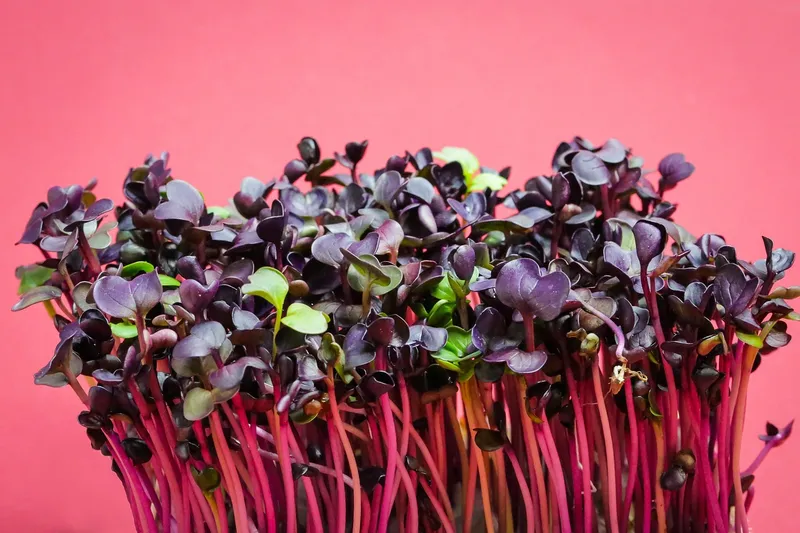
Garden cress is perhaps the fastest plant on this list. In ideal conditions, you can see green sprouts in 24 hours and harvest the entire crop in 10 to 15 days. It has a spicy, mustard-like flavor that is classic in egg salad sandwiches.
You don't even necessarily need soil for cress. Many people grow it on damp paper towels or cotton wool in a shallow dish. This makes it a fantastic project for kids or for anyone who lives in an apartment with zero outdoor space.
Because it's so small, you'll need to plant quite a lot of it to get a decent harvest. Sprinkle the seeds thickly over your growing medium. Within two weeks, you'll have a mini-forest of greens ready to be snipped and enjoyed.
Baby Bok Choy: The Stir-Fry Star
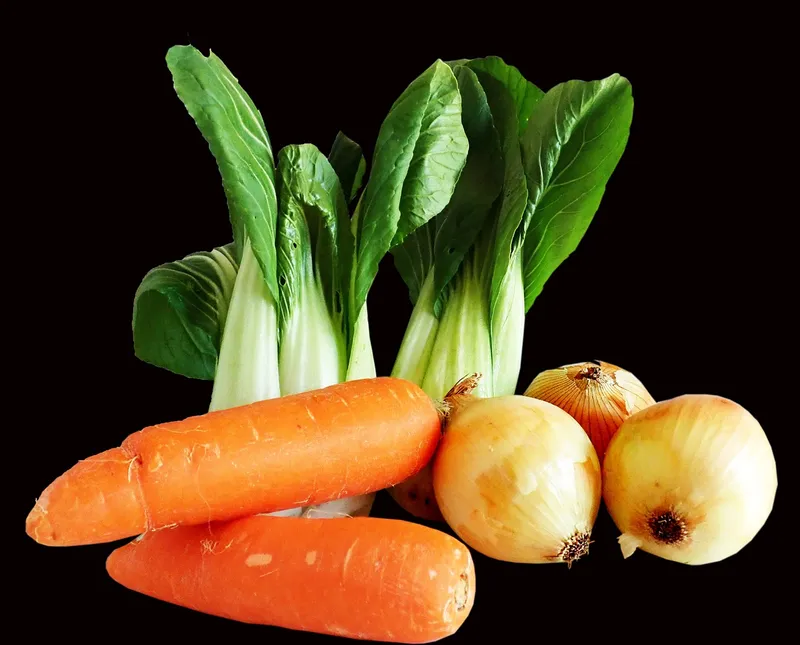
Most people think of bok choy as a long-season crop, but the "baby" varieties are incredibly fast. If you choose a dwarf variety, you can harvest the entire small head in about 30 days. They are crunchy, mild, and soak up flavors like a sponge.
Bok choy loves moisture. If you keep the roots hydrated, the stalks will stay crisp and juicy. They are also quite beautiful to look at, with their bright white stems and deep green leaves, making them a great choice for edible landscaping.
When harvesting, you can either pick individual leaves or cut the whole plant off at the base. If you cut the whole plant but leave an inch of the stem in the ground, it will often sprout new, smaller leaves for a second harvest. It's a great way to maximize your yield from a single seed.
Turnips: Surprising Speed for Roots
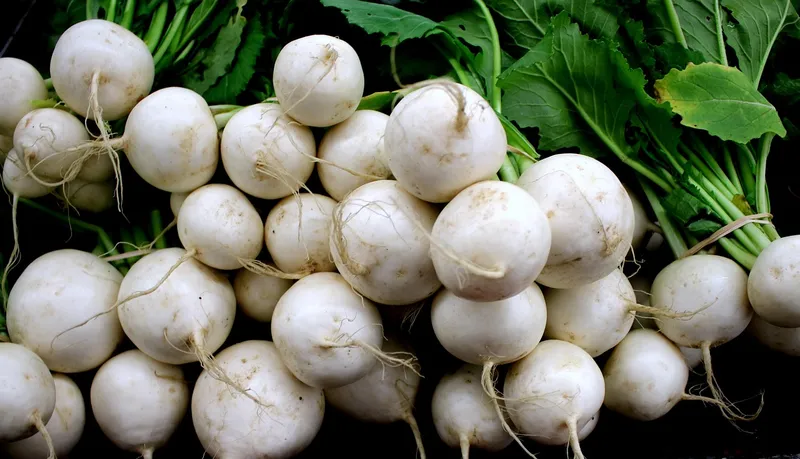
We usually think of root vegetables as slow growers, but baby turnips are the exception. While large storage turnips take months, varieties like 'Tokyo Cross' can be harvested when they are the size of a large marble, usually around day 30. At this size, they are sweet, crisp, and don't even need peeling.
You can eat these baby turnips raw in salads, much like a radish but without the intense spice. They also taste incredible when lightly glazed in butter and honey. Just like radishes, the greens are also edible and very nutritious.
To get them to size quickly, make sure you thin the seedlings. If they are crowded, the roots won't have room to expand, and they'll take much longer to reach a harvestable size. Give them about two inches of space each, and they'll reward you with speed.
Maximizing Your Fast-Growth Success
To consistently hit that 30-day mark, you need to provide the perfect environment. Fast growth requires a lot of energy, which means your plants need high-quality soil and plenty of light. If you're growing indoors, aim for at least 6 hours of sunlight or 10-12 hours under a grow light.
Watering is the most common pitfall. Because these plants are growing so rapidly, they can't handle a drought. Even a single afternoon of bone-dry soil can stunt their growth and push your harvest date back by a week. Keep the soil feeling like a wrung-out sponge - damp but not soggy.
Finally, don't be afraid to harvest early. The "under 30 days" promise usually applies to "baby" versions of these plants. They might be small, but the flavor is often more intense and the texture is much better than the giant versions you see at the store. Learn to enjoy the "snack-sized" garden!
There's a special kind of magic in planting a seed and eating the results before your next credit card bill arrives. It turns gardening from a distant hobby into an active part of your daily kitchen routine. So, grab a couple of packets of radishes or arugula, clear a small spot on your windowsill or in your yard, and get planting. Your future self - the one eating a fresh, home-grown salad in three weeks - will definitely thank you for it.