We've all been there: scrolling through a beautifully curated Instagram feed, spotting a plant that looks like it belongs in a tropical rainforest or a high-end art gallery, and immediately thinking, "I would kill that in a week." There is a common myth in the plant world that if a leaf looks unique, variegated, or exotic, the plant must be a high-maintenance diva. We tend to stick to the same three "safe" plants because we're terrified of spending money on something rare only to watch it turn into a brown, crunchy stick.
The good news? Some of the most stunning, "rare-looking" plants are actually tougher than the common ones you find at the grocery store. This guide is all about those hidden gems - plants that will make your friends think you're a master gardener, even if you occasionally forget where your watering can is. We're diving into 13 rare beauties that are secretly perfect for beginners.
1. The Raven ZZ (Zamioculcas zamiifolia 'Raven')
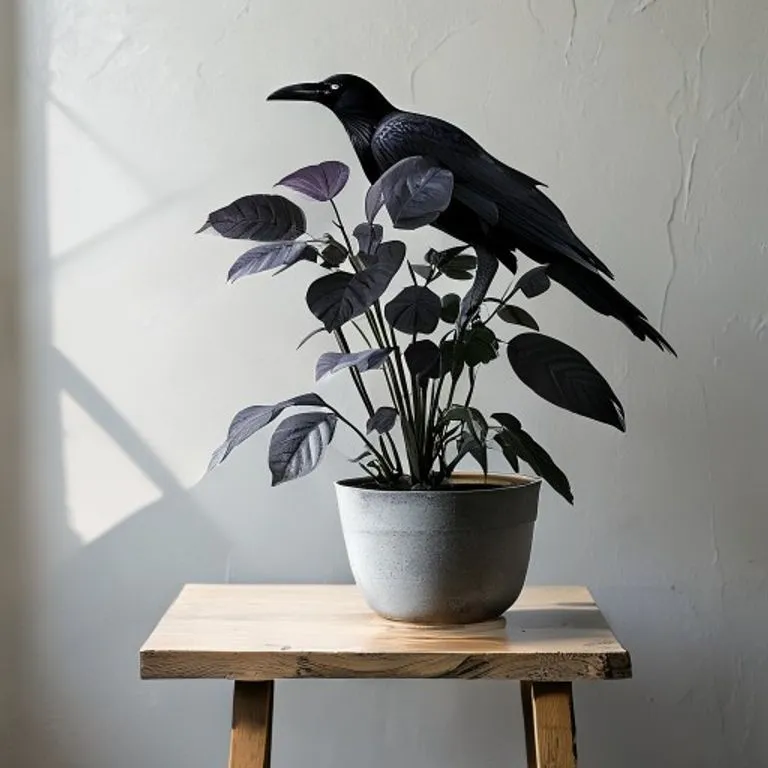
If you love a moody, "goth" aesthetic, the Raven ZZ is your new best friend. Unlike its bright green cousin, this variety emerges with lime green growth that slowly matures into a deep, glossy purple-black. It looks incredibly expensive and rare, yet it's virtually indestructible.
The Raven ZZ thrives on neglect. It stores water in thick rhizomes underground, meaning it can go weeks (or even a month) without a drink. It's also perfectly happy in those dim corners of your apartment where other plants go to die. Just be sure to use well-draining soil so those "water tanks" don't rot.
2. Philodendron Birkin
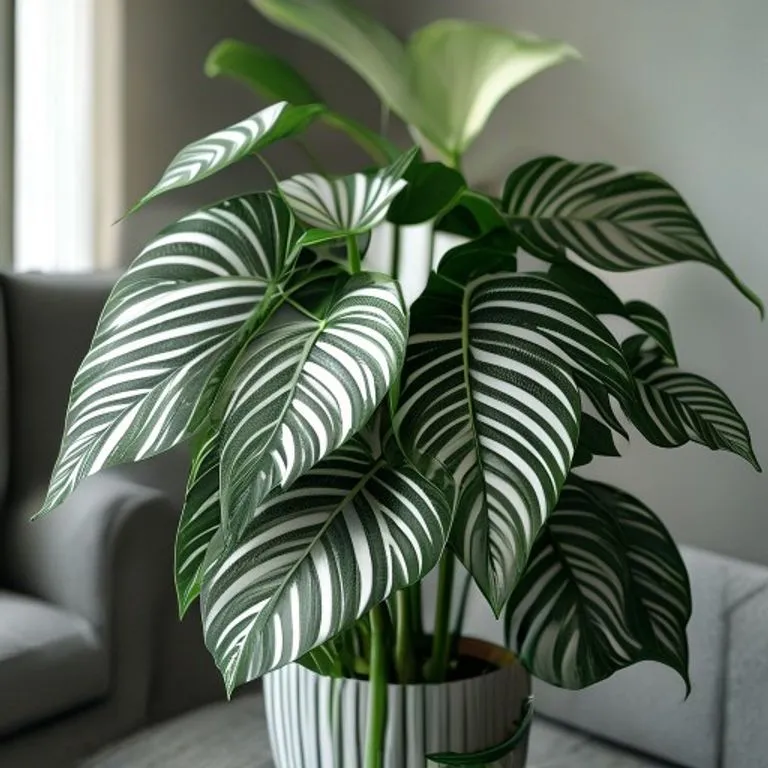
A few years ago, the Birkin was a high-priced collector's item, but now it's much more accessible while keeping its "designer" look. Its hallmark is the striking white pinstripes that look like they were hand-painted onto every leaf. No two leaves are exactly alike, which makes every new growth a little surprise.
Caring for a Birkin is surprisingly straightforward. It prefers bright, indirect light to keep those white stripes vivid. If it stays too dark, it might revert to solid green. Water it when the top inch of soil feels dry, and it'll be happy as a clam.
3. Scindapsus Pictus 'Exotica' (Satin Pothos)
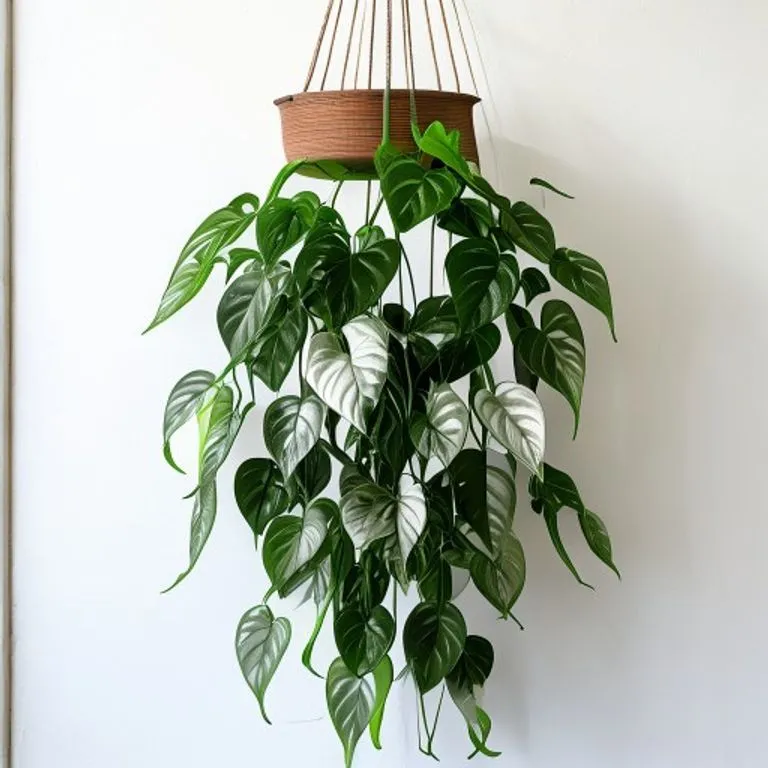
While people call this a "Pothos," it's actually a Scindapsus, and the 'Exotica' variety is the crown jewel. It features huge, heart-shaped leaves splashed with a matte, silvery shimmer that sparkles in the light. It looks far more sophisticated than your standard Golden Pothos.
The best part? This plant literally tells you when it's thirsty. The leaves will start to curl inward slightly, signaling that it's time for water. Once you give it a soak, they perk right back up. It's a great "trainer" plant for learning to read plant body language.
4. Rhaphidophora Tetrasperma (Mini Monstera)
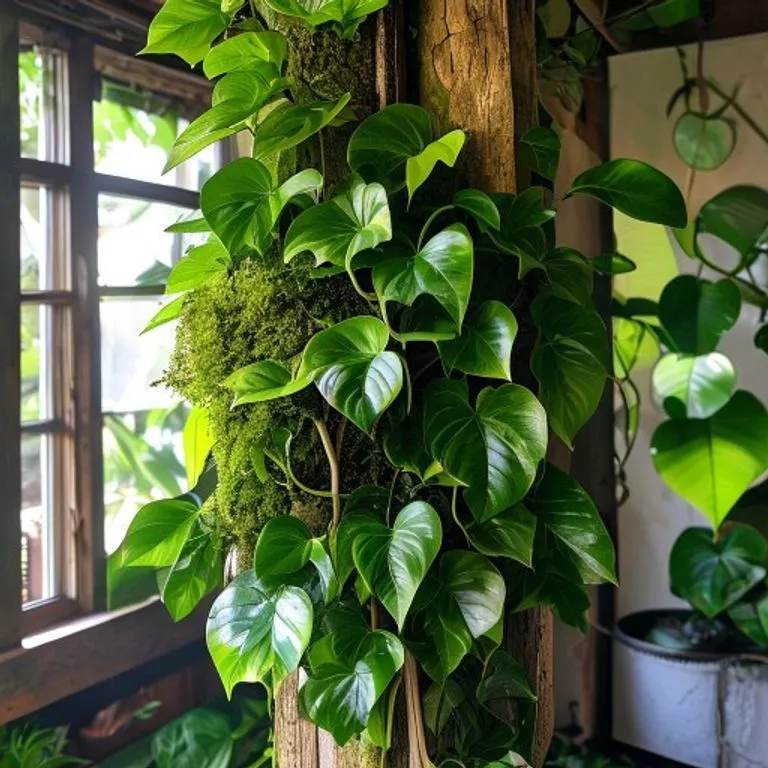
Everyone loves the giant Monstera Deliciosa, but it can quickly take over a room. Enter the Rhaphidophora Tetrasperma, often called the "Mini Monstera." It has the same iconic split-leaf look but on a much smaller, more manageable scale. It's a fast climber that adds an instant jungle vibe to a bookshelf.
This plant is much hardier than it looks. Give it a moss pole or a trellis to climb, and it will reward you with rapid growth. It's not picky about humidity, making it a perfect choice for standard indoor environments.
5. Sansevieria Masoniana (Whale Fin Snake Plant)
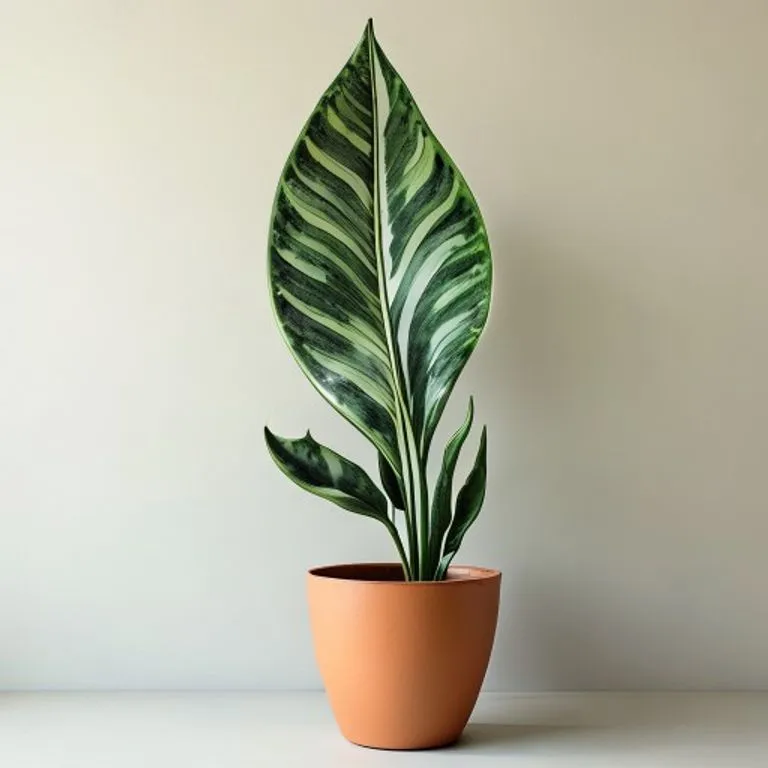
Snake plants are the ultimate beginner plants, but the 'Whale Fin' is the version that makes people stop and stare. It typically consists of just one or two massive, wide leaves that look exactly like a whale's fin breaching the surface of the soil. It's a living piece of sculpture.
Like all snake plants, the Whale Fin is a "set it and forget it" plant. It can handle low light, although it grows faster in bright light. The most important rule? Don't overwater it. In the winter, you might only need to water it once every six weeks.
6. Hoya Carnosa 'Krimson Queen'
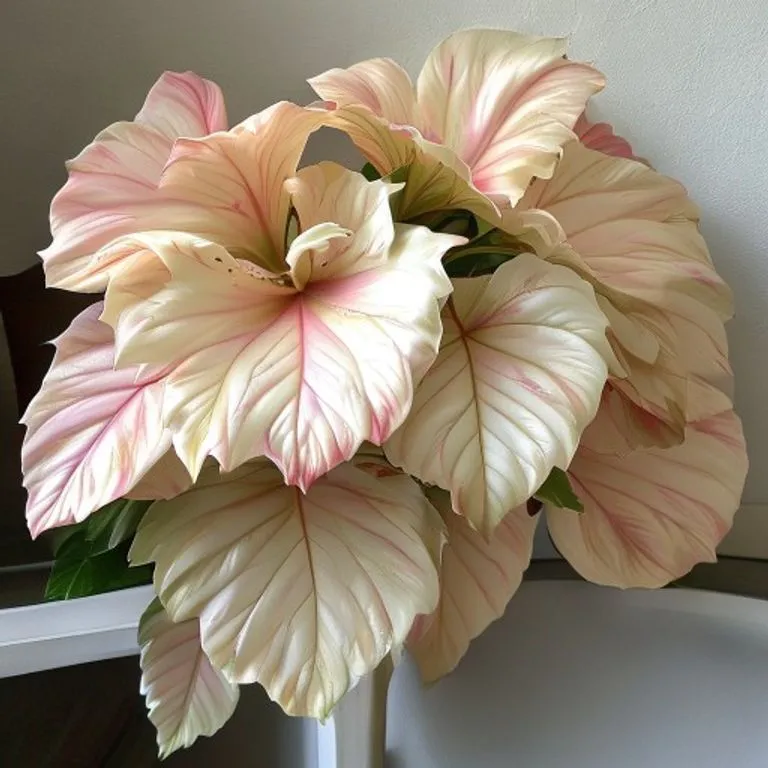
Hoyas, or "Wax Plants," are addictive. The 'Krimson Queen' is a standout because of its variegated leaves - dark green centers with creamy white or even bright pink edges. When the plant is happy and gets enough light, it can produce clusters of star-shaped, chocolate-scented flowers.
Hoyas are semi-succulent, meaning their thick leaves store water. This makes them very forgiving if you miss a watering session. They love bright, indirect light and prefer to be a bit root-bound, so you don't even have to worry about repotting them often.
7. Ceropegia Woodii (String of Hearts)
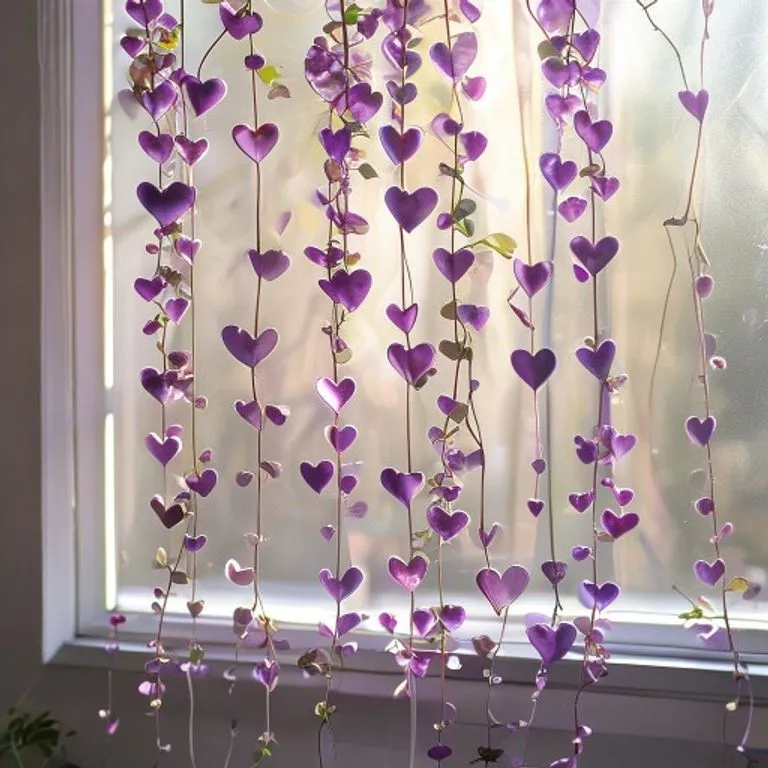
This plant looks like something out of a fairy tale. It features delicate, purple-toned vines adorned with tiny, succulent, heart-shaped leaves. It looks fragile, but it's actually quite a tough little succulent that grows incredibly fast under the right conditions.
The trick to the String of Hearts is light and drainage. Give it plenty of bright, filtered light (even a little morning sun), and make sure the soil dries out completely between waterings. It's a great choice for high shelves where the "strings" can trail down several feet.
8. Philodendron 'Prince of Orange'
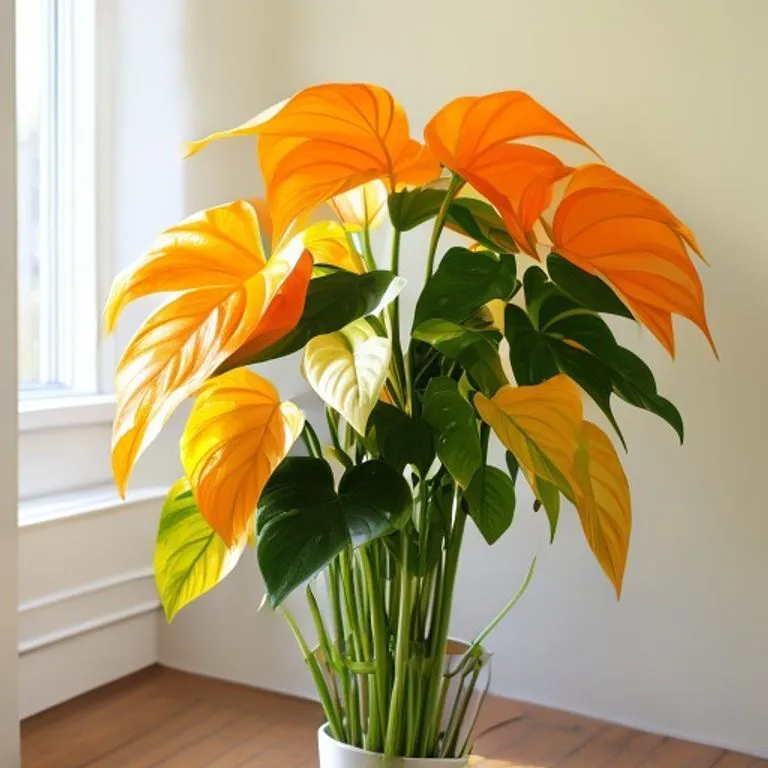
If you're tired of all-green plants, the 'Prince of Orange' is a showstopper. Unlike many Philodendrons that trail, this is a "self-heading" variety, meaning it grows in a neat, bushy clump. The new leaves emerge in a fiery, bright orange before fading to copper and eventually deep green.
Because it grows upright rather than trailing, it's a perfect tabletop plant. It's very resilient to standard home temperatures and doesn't require high humidity to maintain its vibrant colors. Just keep it in medium to bright indirect light for the best "orange" show.
9. Peperomia Polybotrya (Raindrop Peperomia)
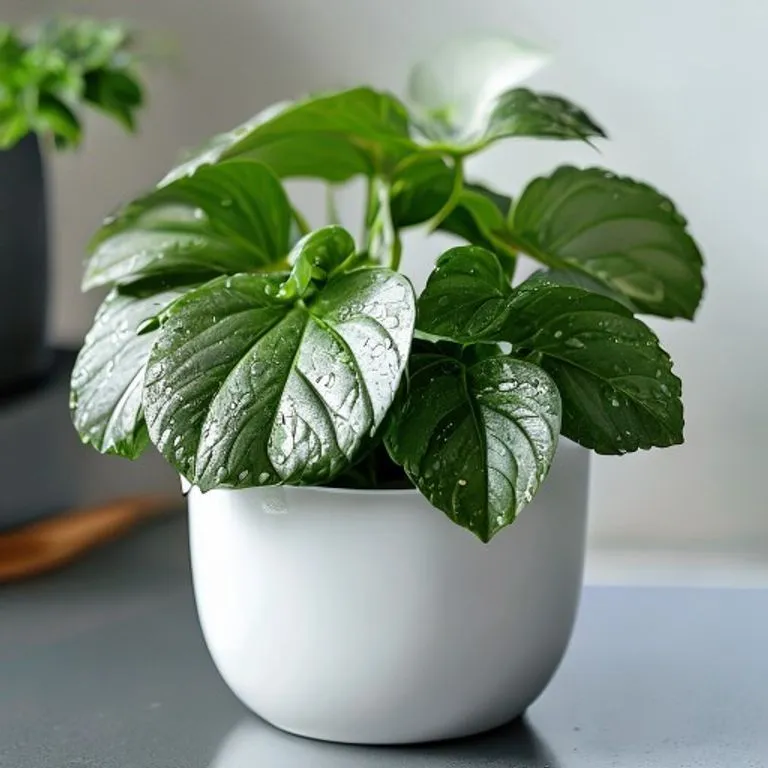
The Raindrop Peperomia is often mistaken for the more famous Pilea Peperomioides (the Chinese Money Plant), but the Raindrop has thicker, more succulent, teardrop-shaped leaves. It has a high-gloss finish that makes it look almost like it's made of plastic.
Peperomias are fantastic for beginners because they stay compact and don't need much space. They have a small root system, so they don't need huge pots. They enjoy drying out between waterings, so they won't mind if you head out for a long weekend.
10. Syngonium 'Neon Robusta'
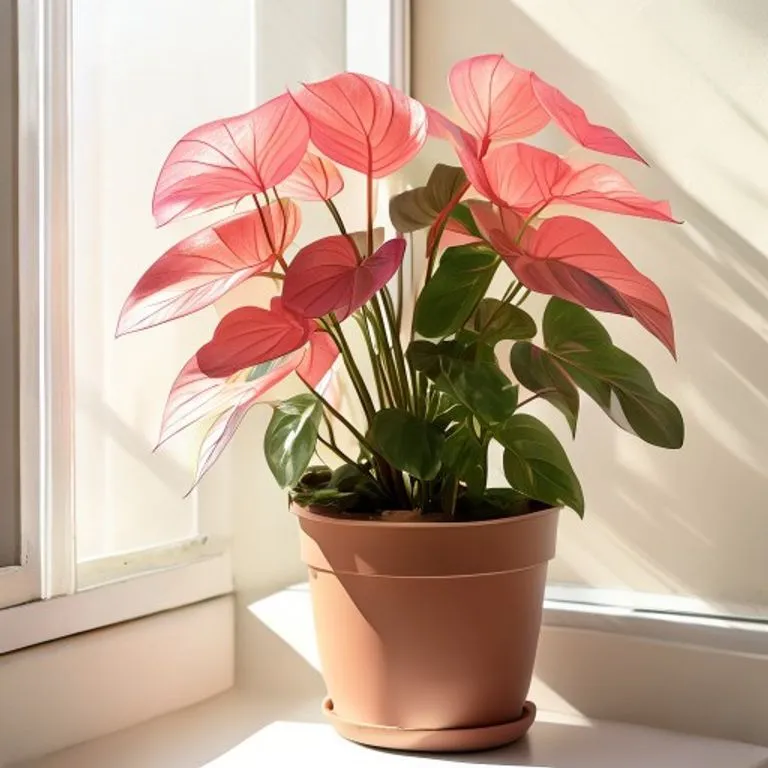
Pink plants are usually notoriously difficult (looking at you, Calathea), but the Syngonium 'Neon Robusta' is the exception. It has arrowhead-shaped leaves in a soft, dusty pink hue. It's a vigorous grower that can either be kept bushy with occasional pruning or allowed to trail.
Syngoniums are very adaptable. While they prefer higher humidity, they do perfectly fine in average household air. They are much more forgiving of slightly inconsistent watering than other pink foliage plants. If it gets a bit leggy, just snip the ends and stick them back in the dirt!
11. Manjula Pothos (Epipremnum aureum 'Manjula')
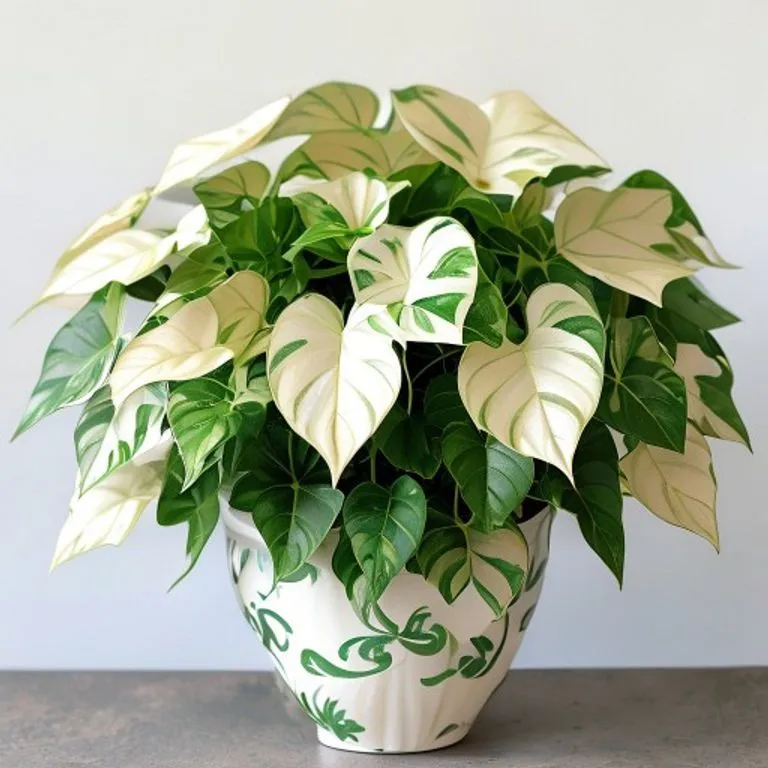
The Manjula is a patented variety developed by the University of Florida, and it's a stunner. The leaves are wider and heartier than a standard Pothos, with wavy edges and a spectacular mix of cream, silver, white, and green. It looks like a luxury version of the common Marble Queen.
Despite its fancy looks, it grows just like any other Pothos. It's slightly slower-growing because of the high amount of white in the leaves, but it's just as hardy. It can tolerate lower light, though more light will produce better variegation.
12. Alocasia 'Silver Dragon'
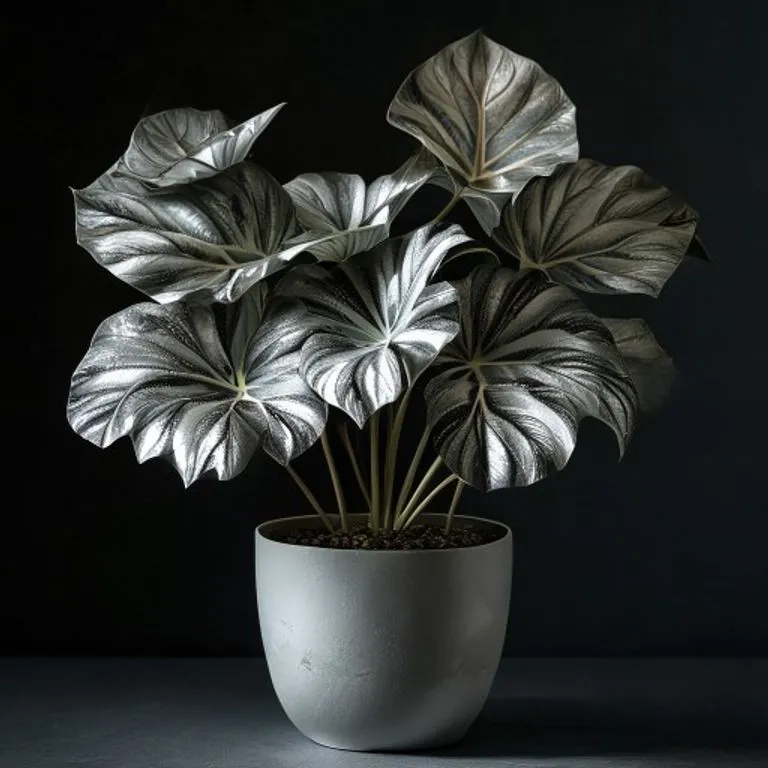
Alocasias have a reputation for being "difficult," but the "Jewel" varieties like the Silver Dragon are surprisingly sturdy if you follow one rule: don't drown them. The leaves are thick, textured, and silvery-grey, looking more like a dragon's scale than a living leaf.
The key to success with a Silver Dragon is a very chunky, well-aerated soil mix (lots of orchid bark and perlite). Because the leaves are so thick, they don't need as much water as their thinner-leaved cousins. Once you nail the "less is more" watering approach, this plant is a breeze.
13. Monstera Adansonii (Swiss Cheese Vine)
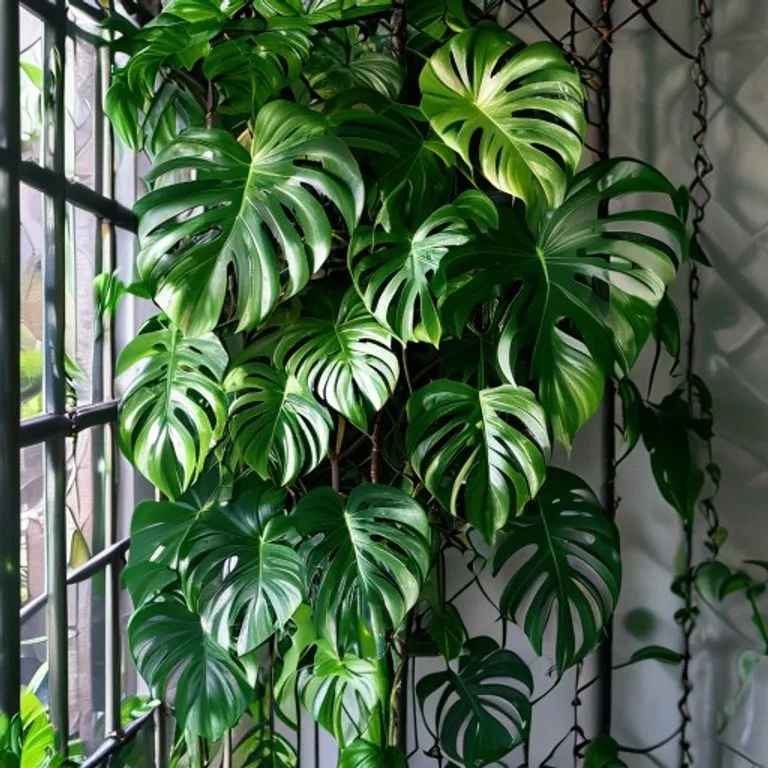
If you want a plant that looks like it's straight out of a botanical garden, the Monstera Adansonii is it. Its leaves are filled with natural holes (fenestrations) that look like someone took a hole puncher to them. It's a fast-growing vine that can trail down or climb up.
Adansonii is a heavy feeder, so giving it a bit of liquid fertilizer during the spring and summer will keep it putting out those iconic holey leaves. It's incredibly easy to propagate in water, so you can share pieces of your "rare" find with your friends!
Bringing a rare plant into your home doesn't have to be a stressful gamble. By choosing varieties that are naturally resilient - like the Raven ZZ or the 'Prince of Orange' - you can enjoy the thrill of a unique collection without the heartbreak of a dead plant. Remember, the "secret" to a green thumb isn't magic; it's simply matching the right plant to your lifestyle. So, go ahead and grab that stunning, weird-looking leaf you've been eyeing. You might just find it's the easiest roommate you've ever had.