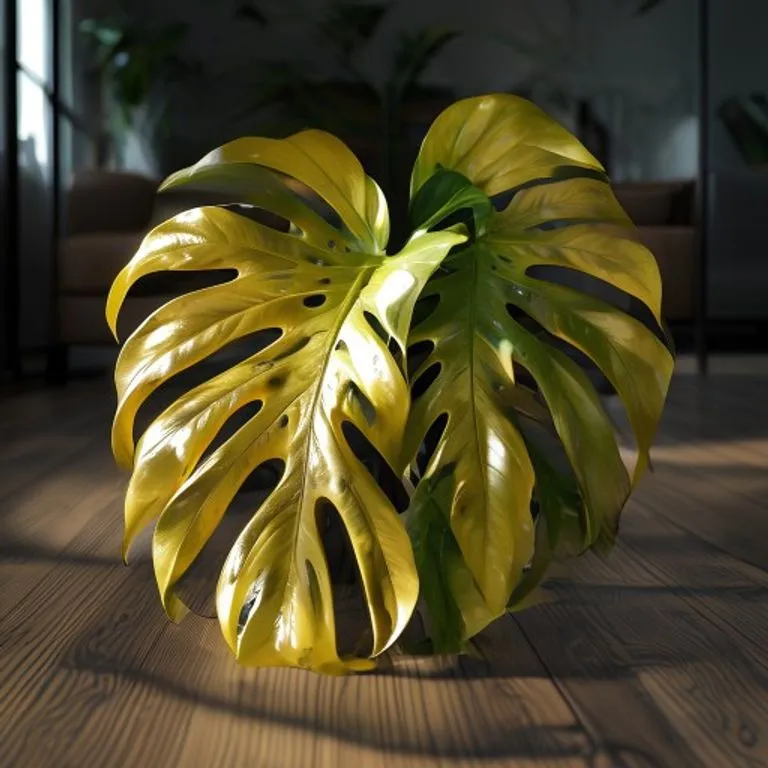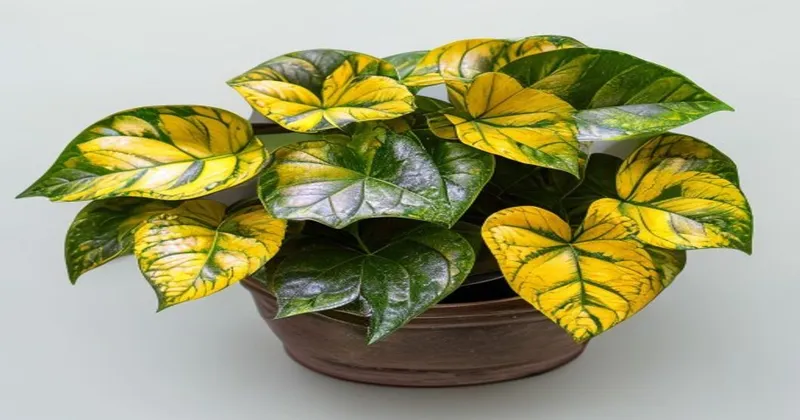
We've all been there. You bought a Pothos because everyone told you it was the "unkillable" houseplant - the ultimate green companion for people who occasionally forget they own plants. Then, one morning, you're sipping your coffee, you glance over at your shelf, and your vibrant green vine is sporting a leaf as yellow as a school bus. It's a heart-sinking moment that usually leads to a frantic Google search and a lot of plant-parent guilt.
The good news is that yellow leaves are simply your Pothos's way of sending a text message. It's telling you something is off in its environment, and most of the time, the fix is easier than you think. In this guide, we're going to dive into the most common reasons your Pothos is changing colors and walk through the simple steps to get that lush, emerald glow back.
The Golden Rule of Watering: Are You Overdoing It?
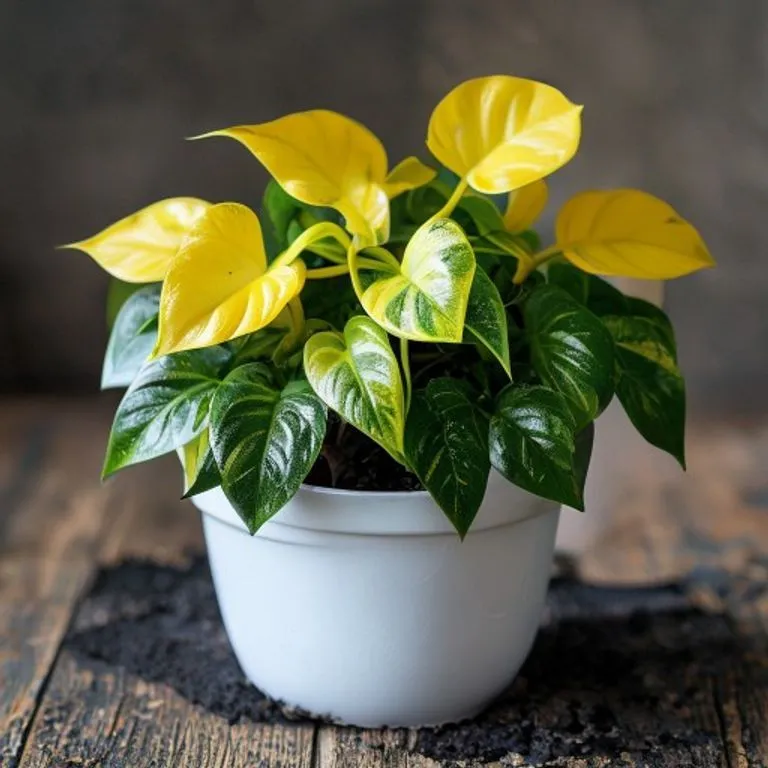
Overwatering is the number one reason Pothos leaves turn yellow. While it feels like you're being a "good" plant parent by giving it a drink every few days, you might actually be drowning the roots. When the soil stays constantly wet, the roots can't breathe, leading to a condition that stops the plant from absorbing nutrients properly.
If the yellowing is happening all over the plant and the leaves feel a bit soft or limp, you're likely overwatering. Check the soil - if it feels like a swamp an inch below the surface, it's time to back off. Pothos prefer to dry out significantly between waterings.
To fix this, let the soil dry out completely before you even think about grabbing the watering can. Use your finger to check the top two inches of soil; if it's dry, you're good to go. Also, make sure your pot has drainage holes so excess water can escape rather than sitting at the bottom.
The Thirsty Vine: When Underwatering is the Culprit
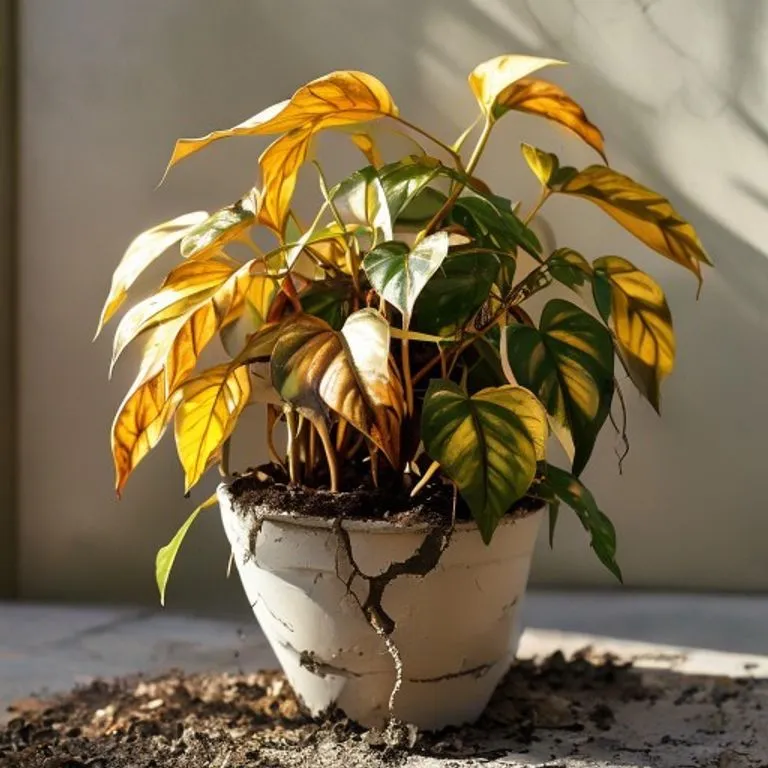
On the flip side, ignoring your Pothos for too long will also result in yellowing. However, underwatered leaves usually look a little different. Instead of being soft and mushy, they might look a bit shriveled, and the edges might turn brown and crispy along with the yellowing.
Pothos are hardy, but they aren't cacti. If the soil becomes so dry that it pulls away from the edges of the pot, your plant is stressed. This stress causes the plant to shed older leaves to save energy for the newer growth at the tips.
The fix here is a deep soak. Take your plant to the sink and let water run through it until it drains out the bottom. This ensures the entire root ball is hydrated. Moving forward, try to establish a routine where you check the soil once a week.
Lighting Woes: Too Much or Too Little?

Pothos are famous for being "low-light" plants, but that doesn't mean they want to live in a windowless bathroom. If a Pothos isn't getting enough light, it can't produce enough chlorophyll to keep its leaves green. This usually results in a pale, sickly yellow color across the foliage.
On the other hand, direct, harsh sunlight can actually "burn" the leaves. If your plant is sitting in a south-facing window where the sun beats down on it all afternoon, you might see yellow or white bleached patches. These are essentially plant sunburns.
The sweet spot for a Pothos is bright, indirect light. Think of a spot near a window with a sheer curtain, or a few feet away from a bright light source. If your plant is in a dark corner, try moving it to a brighter area and watch how the new growth responds.
Temperature Tantrums and Cold Drafts

Pothos are tropical plants at heart, which means they love the same temperatures we do - somewhere between 65°F and 85°F. They are very sensitive to sudden shifts in temperature. If your plant is sitting right next to an AC vent or a drafty window in the winter, it might protest by turning yellow.
Similarly, keep them away from heat sources like radiators or space heaters. These can dry out the air and the soil too quickly, causing the plant to panic. A Pothos likes consistency; it doesn't want to go from a sauna to a refrigerator in the span of an hour.
If you suspect temperature is the issue, move your plant to a more stable location. Avoid spots where it will get blasted by air every time the furnace kicks on or someone opens the front door. Once it settles into a cozy, stable spot, the yellowing should stop.
Nutrient Deficiencies: The Hunger Games

If you've had your Pothos in the same soil for years without ever feeding it, it might just be hungry. Over time, the plant uses up all the nutrients in its potting mix. A lack of nitrogen is a common reason for leaves to turn a uniform, pale yellow.
You don't need to be a chemist to fix this. During the growing season (spring and summer), use a balanced, water-soluble houseplant fertilizer once a month. This gives the plant the "food" it needs to build strong, green cells.
Be careful not to over-fertilize, though! Too much salt buildup from fertilizer can burn the roots and actually cause *more* yellowing. Always follow the instructions on the bottle, and when in doubt, use a weaker concentration than recommended.
Uninvited Guests: Dealing with Pests

Sometimes, the problem isn't the care you're providing - it's an outside invader. Pests like spider mites, mealybugs, and scale love to suck the sap out of Pothos leaves. This drainage of energy causes small yellow spots that eventually take over the entire leaf.
Check the undersides of the leaves and the spots where the leaf meets the stem. Do you see tiny white cottony puffs? Those are mealybugs. See fine, dusty webbing? Those are spider mites. These little guys can spread fast, so you want to act quickly.
Wipe down the leaves with a damp cloth or a mixture of water and a few drops of mild dish soap. For a more serious infestation, Neem oil is a natural and effective way to send those pests packing. Regular "dusting" of your plant leaves also helps prevent these bugs from moving in.
The Circle of Life: Natural Aging

Before you spiral into a panic, look at *where* the yellow leaf is located. Is it just one or two leaves near the base of the plant (the part in the soil), while the rest of the vine looks long, green, and healthy? If so, take a deep breath - your plant is probably fine.
Leaves don't last forever. As a Pothos grows, it focuses its energy on the new, exciting growth at the ends of the vines. Eventually, it will "retire" the oldest leaves near the roots. They turn bright yellow and eventually fall off on their own.
This is completely natural and happens to even the healthiest plants. If the rest of the plant looks great and you're only losing an occasional old leaf, you're doing a fantastic job. Just pluck it off and keep doing what you're doing.
Root Rot: The Silent Killer

If you've been overwatering for a long time, the problem might have moved below the surface into the root system. Root rot is a fungal issue that literally rots the foundation of your plant. If the yellowing is accompanied by a funky, sour smell from the soil, this is likely the culprit.
To check, you'll need to gently pull the plant out of its pot. Healthy roots should be firm and white or light tan. Rotten roots will be black, mushy, and slimy. It looks grim, but you can often save the plant if you act fast.
Trim away any mushy roots with sterilized scissors and repot the plant in fresh, dry potting soil. Make sure to throw away the old soil, as it contains the fungus. Give the plant a little time to recover before watering it again, and it might just make a miraculous comeback.
How to Prune and Clean Your Pothos
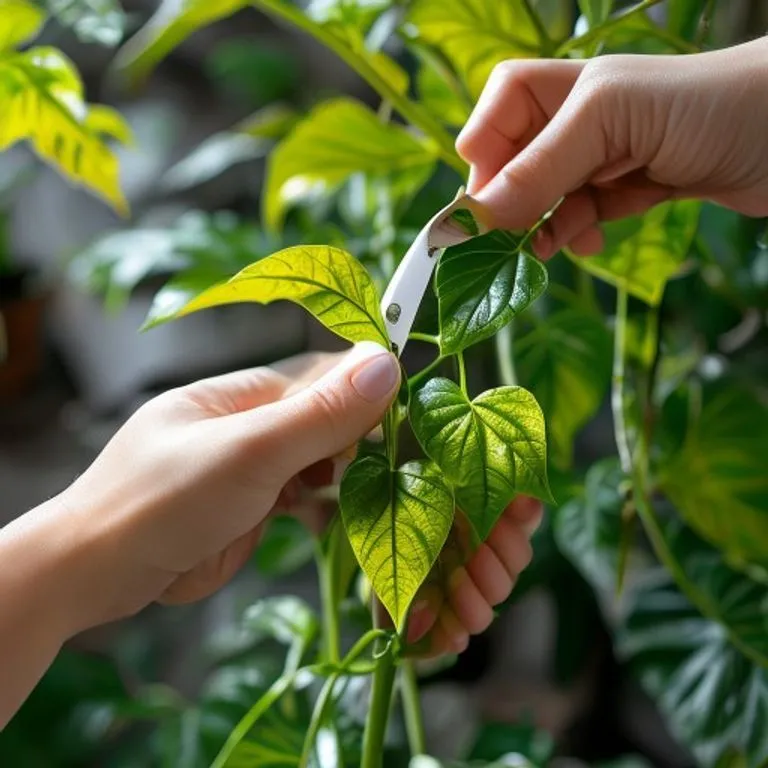
Once a leaf has turned completely yellow, it's not going to turn green again. The best thing you can do for the plant is to remove it. This allows the plant to stop wasting energy on a dying leaf and redirect it toward healthy, new growth.
Use a clean pair of scissors or just your fingers to snip the leaf off at the base of the stem. It's also a good habit to wipe the green leaves with a soft, damp cloth every month. Dust can block sunlight and make it harder for the plant to "breathe" (photosynthesize).
Think of it like a spa day for your plant. A quick trim and a wipe-down not only make it look better instantly but also keep it healthier in the long run. Plus, it gives you a chance to inspect for any of those pesky bugs we talked about earlier.
Finding Your Rhythm
Don't let a few yellow leaves discourage you. Plant care isn't about being perfect; it's about learning the language of your green friends. Every yellow leaf is a lesson that helps you become a more intuitive gardener. Your Pothos is incredibly resilient and wants to grow just as much as you want it to thrive.
Take a second today to really look at your plant. Feel the soil, check the light, and maybe give those leaves a quick dust-off. With just a few small adjustments, you'll be back to enjoying those long, flowing green vines in no time. You've got this, and your Pothos is lucky to have you looking out for it!