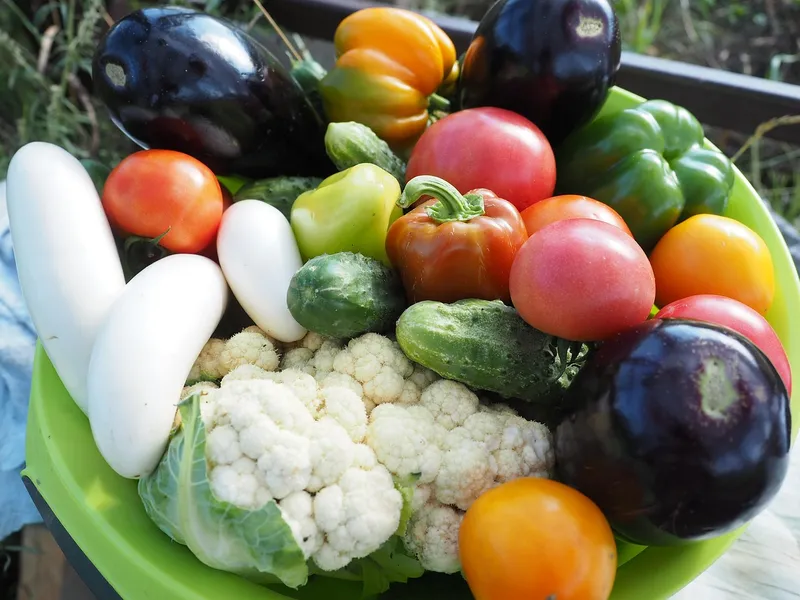
There is a specific kind of magic that happens in a backyard garden during the height of summer. It's that moment you reach into a jungle of green vines, pluck a heavy, sun-warmed tomato, and take a bite right then and there, juice running down your chin. It tastes like pure sunshine, worlds away from the mealy, bland pink globes you find at the grocery store in February. But as every gardener knows, getting to that perfect harvest isn't always a walk in the park; sometimes it feels like a battle against wilt, pests, and stubborn plants that refuse to fruit.
If your tomato plants usually look a bit sad by August or you're tired of seeing more yellow leaves than red fruit, you've come to the right place. We are going to walk through 15 simple, practical ways to supercharge your tomato harvest this season. Whether you have a sprawling backyard plot or a few pots on a sunny balcony, these tips will help you grow the biggest, tastiest crop you've ever had. Let's get your hands dirty and turn those vines into a tomato-producing factory.
1. Choose the Right Variety for Your Climate
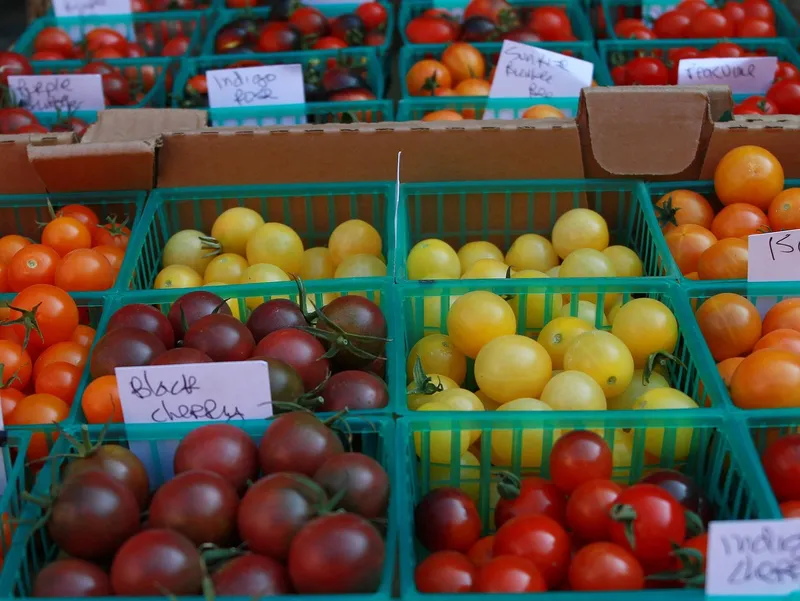
Success starts before you even put a shovel in the ground. Not all tomatoes are created equal, and choosing a variety that loves your specific weather is half the battle. If you live in a place with short summers, look for "early-season" varieties that ripen quickly. If you're in the humid South, you'll want "heat-set" varieties that can handle the swelter without dropping their blossoms.
Don't forget to decide between determinate and indeterminate plants. Determinate types grow to a certain size and fruit all at once, which is great for canning. Indeterminate types keep growing and producing until the first frost kills them. If you want a steady supply of snacks all summer long, go for the latter.
2. Give Them Plenty of Room to Breathe
It is incredibly tempting to crowd your seedlings together because they look so small and lonely in May. Resist that urge! Tomatoes are notorious for needing high airflow to stay healthy. When they are packed too tightly, humidity gets trapped between the leaves, creating a playground for fungus and blight.
Try to give each plant at least two to three feet of space. This might feel like a waste of garden real estate at first, but you'll be rewarded with much healthier plants. Good airflow keeps the leaves dry and allows sunlight to reach the inner parts of the vine, which helps the fruit ripen faster.
3. The "Deep Planting" Secret
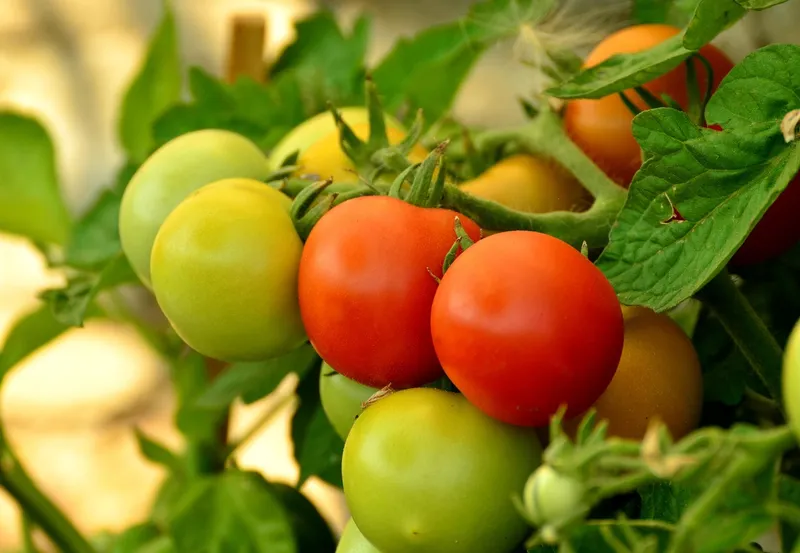
Most plants hate having their stems buried, but tomatoes are the rebels of the garden world. If you look closely at a tomato stem, you'll see tiny little hairs. Every single one of those hairs has the potential to become a root if it touches the soil. By planting your tomatoes deep - burying up to two-thirds of the plant - you are encouraging a massive, robust root system.
A plant with a huge root system can find water and nutrients much more efficiently than one with shallow roots. If your seedling is tall and "leggy," don't worry. Just dig a deep hole or a shallow trench and lay the plant on its side, gently curving the top upward. Your plant will be anchored like a skyscraper, making it much more resilient to summer storms.
4. Sunlight is Non-Negotiable
Tomatoes are sun-worshippers, plain and simple. If they aren't getting at least six to eight hours of direct sunlight every day, they're going to struggle. Sunlight is the fuel that drives the production of sugars in the fruit; without it, your tomatoes will be watery and flavorless.
If you're gardening in a shady yard, try to find the brightest spot possible or use reflective mulch to bounce more light onto the plants. Remember that the sun's path changes throughout the summer. That spot that looked sunny in April might be shaded by a big oak tree by the time July rolls around, so plan accordingly.
5. Mulch Like You Mean It
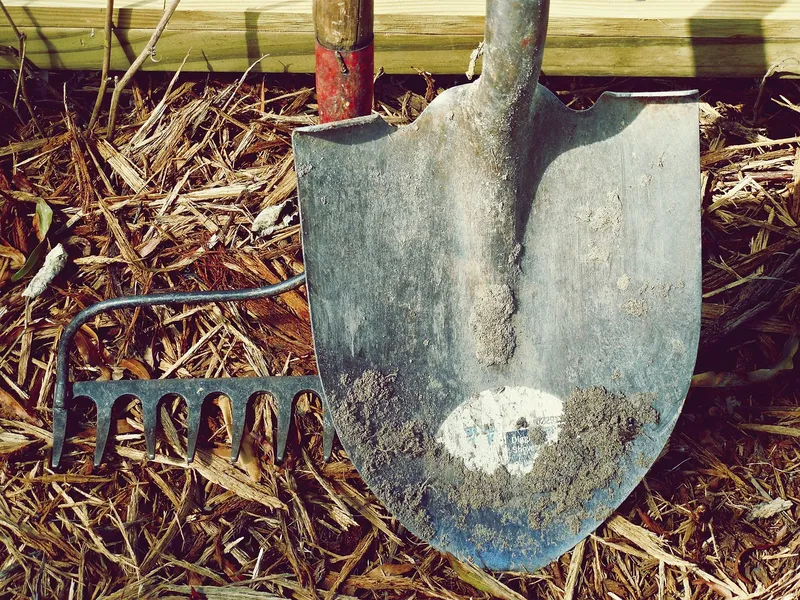
Mulching is arguably the most underrated task in the garden. A thick layer of straw, shredded leaves, or pine bark does three amazing things for your tomatoes. First, it keeps moisture in the soil so the roots don't get stressed during heatwaves. Second, it keeps the weeds down so your tomatoes don't have to compete for nutrients.
Third, and most importantly, it prevents soil from splashing up onto the leaves when it rains. Most tomato diseases live in the soil, and they "jump" onto your plants via splashing raindrops. A good layer of mulch acts like a shield, keeping those pathogens away from your precious foliage.
6. Water Consistently, Not Constantly
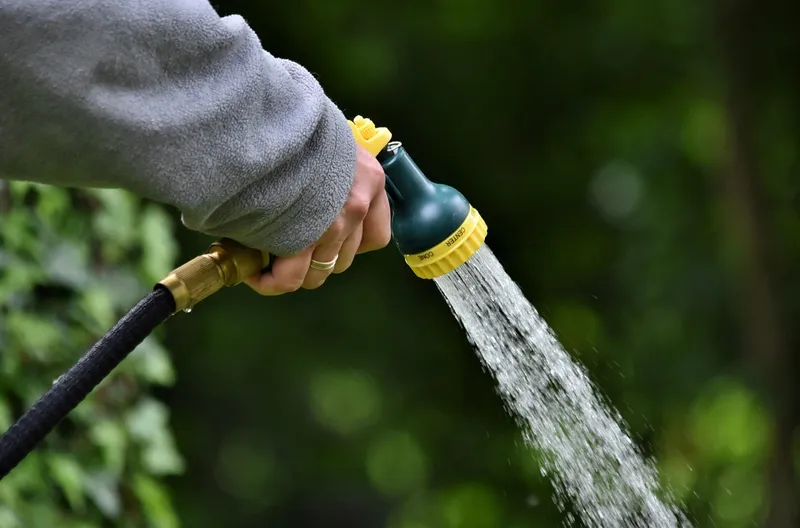
Tomatoes hate a "rollercoaster" watering schedule. If the soil goes from bone-dry to soaking wet over and over again, the fruit will often crack or develop blossom end rot (that nasty black spot on the bottom). The goal is consistent, even moisture that feels like a wrung-out sponge.
Always water at the base of the plant rather than overhead. Wet leaves are an invitation for disease. If you can, water in the early morning so the plant has plenty of hydration to get through the heat of the day. A drip irrigation system or a simple soaker hose can be a total game-changer for keeping things steady.
7. Build a Strong Support System

Unless you're growing dwarf varieties, your tomatoes are going to need help staying upright. Left to their own devices, they will sprawl across the ground, where the fruit is more likely to rot and be eaten by slugs. You need to get them up off the dirt as soon as possible.
Those cheap, flimsy cone-shaped cages from the big-box stores are usually too small for a vigorous indeterminate plant. Instead, look for heavy-duty square cages, or use the "Florida Weave" method with sturdy stakes and twine. Providing support early on prevents the stems from snapping later in the season when they are heavy with fruit.
8. Master the Art of Pruning
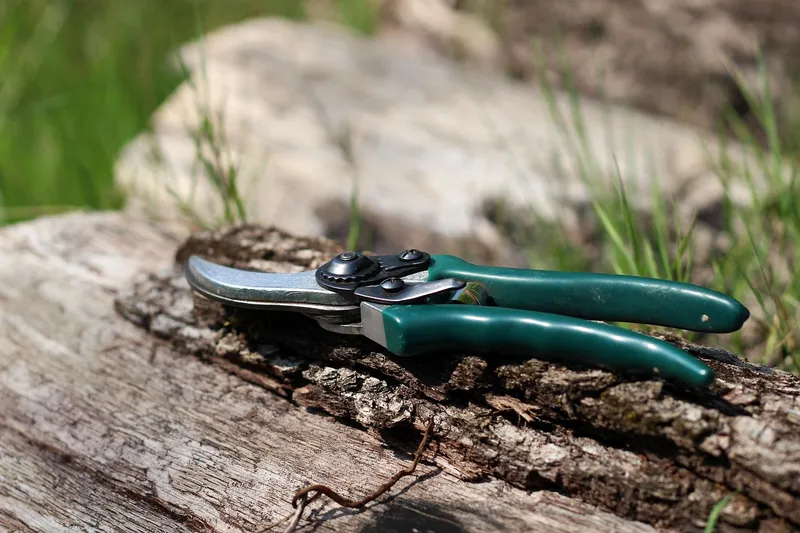
If you let a tomato plant grow wild, it will put a ton of energy into growing leaves and very little into growing fruit. To get a bigger harvest, you need to be a little bit ruthless with the "suckers." These are the tiny shoots that grow in the "V" between the main stem and a leaf branch.
Pinching these off keeps the plant focused on its main vertical stem and fruit production. It also improves airflow significantly. Just be careful not to over-prune in very hot climates; you still need enough leaves to provide "shade" for the fruit so they don't get sunscalded.
9. Feed Them the Right Stuff
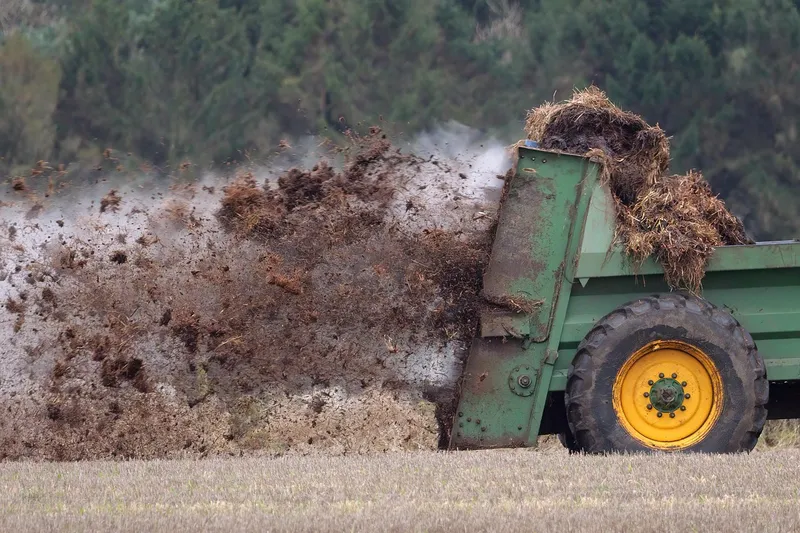
Tomatoes are heavy feeders, but you have to be careful about what you feed them and when. If you give them too much nitrogen (the first number on the fertilizer bag), you'll end up with a massive, beautiful green bush but zero tomatoes. Nitrogen is for leaves; phosphorus is for flowers and fruit.
Start with a balanced organic fertilizer when you plant them. Once you see the first tiny yellow flowers appear, switch to something with a higher middle number (phosphorus). Adding a bit of compost tea or liquid seaweed every few weeks can also provide the micronutrients they need to really thrive.
10. Give Pollination a Helping Hand
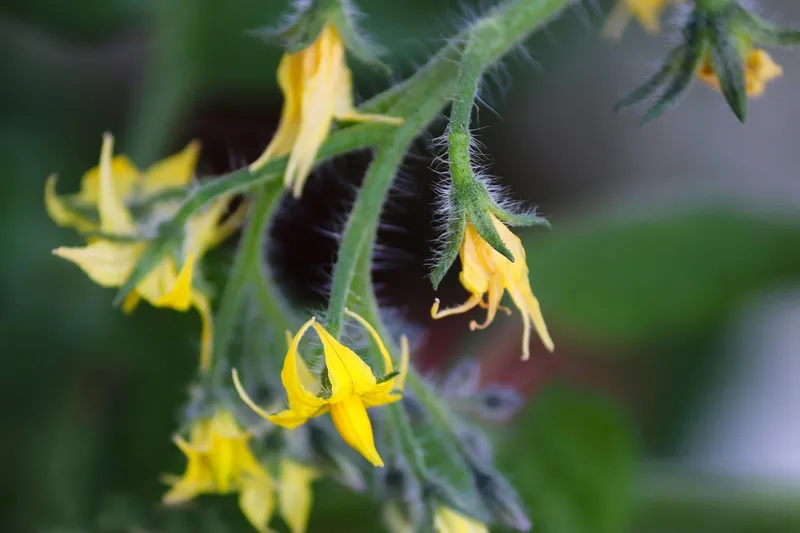
Tomatoes are self-pollinating, meaning each flower has both male and female parts. However, they need a little vibration to shake the pollen loose. Usually, the wind or a passing bumblebee does the trick. But if your air is very still or you have a lack of pollinators, your flowers might just drop off without producing fruit.
You can help by gently shaking the plants or tapping the flower clusters every morning. Some gardeners even use an old electric toothbrush to vibrate the stems! It sounds a bit crazy, but it's a proven way to increase your fruit set, especially in greenhouse environments or stagnant backyard corners.
11. Use Companion Planting to Your Advantage
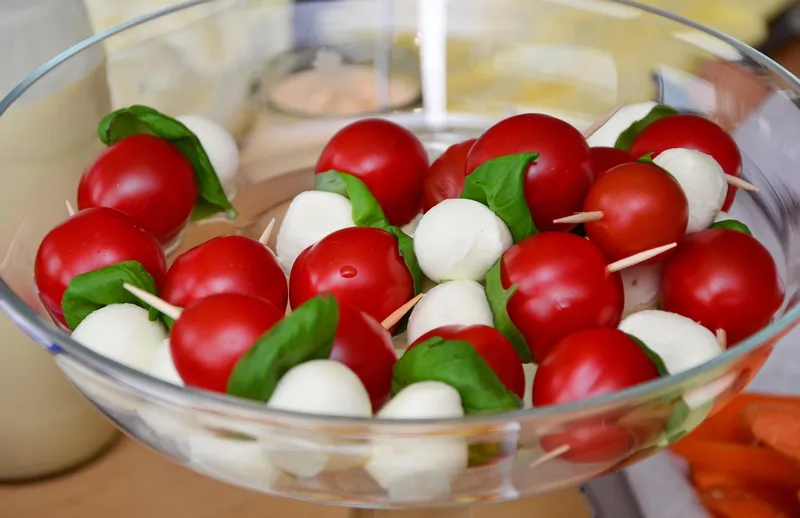
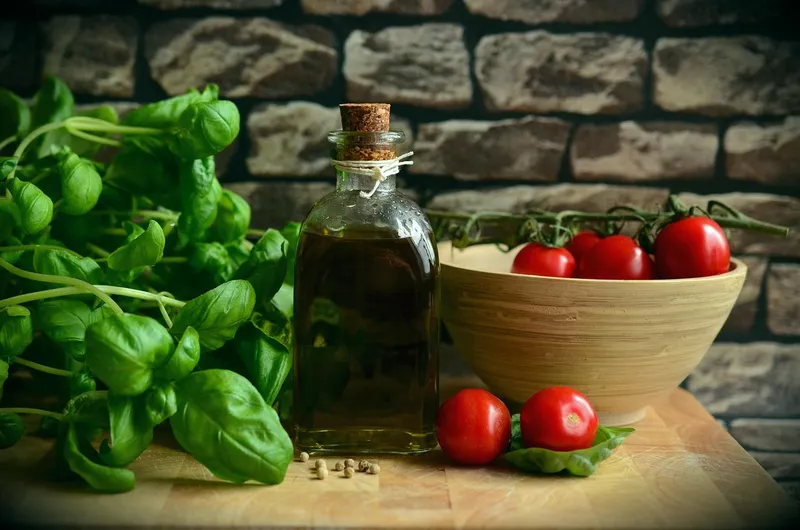
The old saying "what grows together, goes together" is true in the garden as well as the kitchen. Planting basil and marigolds around your tomatoes isn't just for aesthetics. Basil is thought to improve the flavor of tomatoes and can help repel certain pests like thrips.
Marigolds are the ultimate garden bodyguards. Their scent confuses many flying pests, and their roots release a chemical that can help suppress bad nematodes in the soil. Plus, having flowers in your vegetable patch attracts bees, which is always a win for your entire garden's ecosystem.
12. Keep an Eye Out for "The Hornworm"
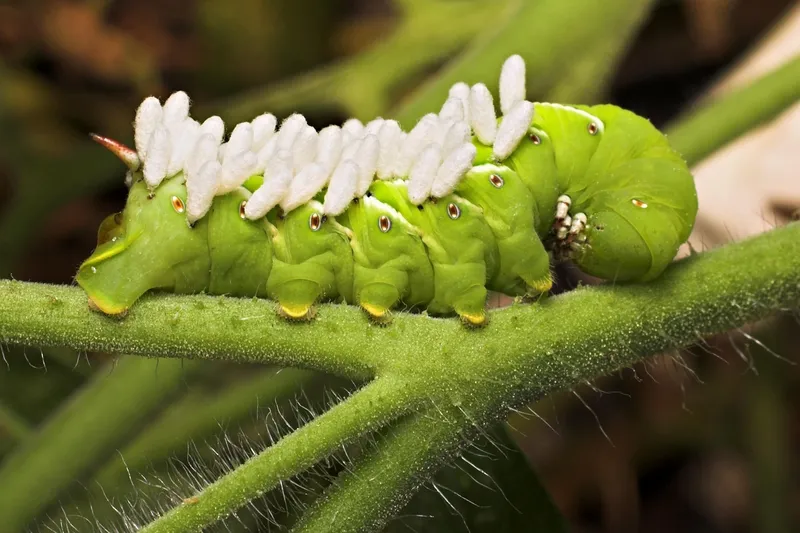
The Tomato Hornworm is the stuff of gardener nightmares. These giant green caterpillars can strip a plant of its leaves overnight. Because they are the exact same color as the stems, they are incredibly hard to spot until the damage is already done. Look for dark green droppings on the leaves - that's your first clue.
Check your plants every evening. If you see stems that have been chewed clean, look closely for the culprit. You can hand-pick them (they don't bite!) and move them to a different area or feed them to your chickens. If you see one with white, rice-like cocoons on its back, leave it alone! Those are beneficial wasp larvae that will do the pest control work for you.
13. Trim the "Skirts" for Disease Prevention
As your plant grows taller, the leaves at the very bottom are the first to get old, yellow, and diseased. These lower leaves don't actually contribute much to the plant's energy once it's established. In fact, they are often the "entry point" for soil-borne diseases.
Once your plant is about two feet tall, trim off any leaves that are within 6 to 12 inches of the ground. This creates a "clearance" zone that prevents pathogens from jumping from the soil to the foliage. It makes the garden look much neater and significantly extends the life of your plant into late summer.
14. Harvest at the "Breaker Stage"
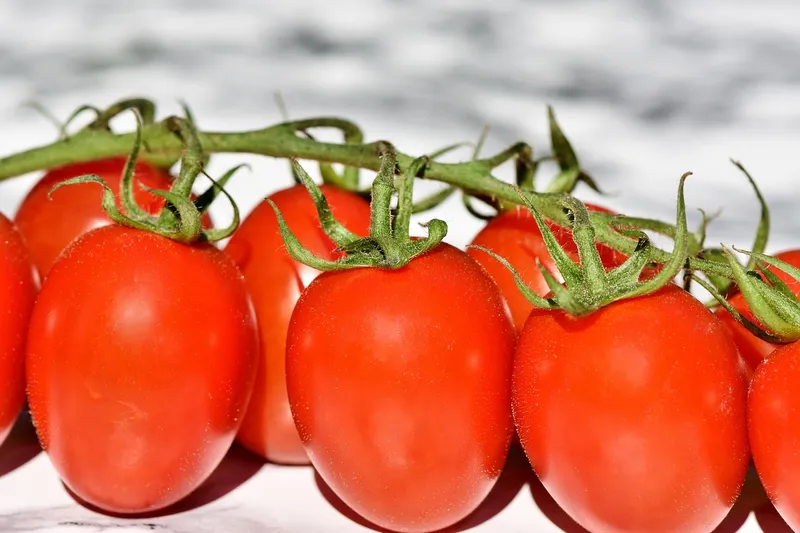
Waiting for a tomato to turn perfectly red on the vine is a risky game. It's a race between you, the birds, the squirrels, and the potential for a sudden rainstorm to make the fruit crack. Here's a secret: once a tomato is about 50% turned (known as the breaker stage), it has all the sugars and acids it needs.
You can pick it at this stage and let it finish ripening on your kitchen counter. It will taste exactly the same as if it had stayed on the vine, and you'll lose far fewer fruits to critters and weather. Just don't put them in the fridge! Cold temperatures kill the flavor and ruin the texture of a fresh tomato.
15. Feed the Soil, Not Just the Plant
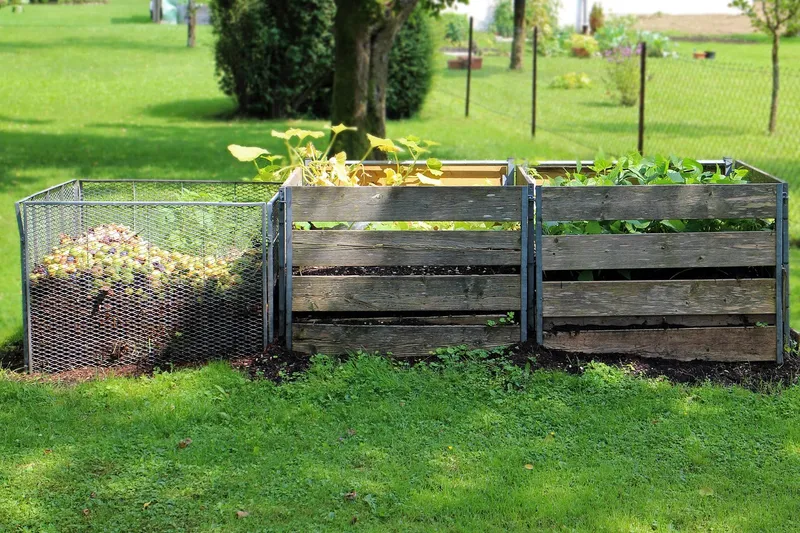
At the end of the day, your harvest is only as good as your soil. If you treat your soil like dirt, your plants will struggle. But if you treat it like a living ecosystem, your plants will reward you. Adding well-rotted compost or aged manure every year is the single best thing you can do for your garden.
Compost improves soil structure, helps with water retention, and provides a slow-release buffet of nutrients. If you haven't started a compost pile yet, this is the year to do it. Turning your kitchen scraps and yard waste into "black gold" is the most sustainable way to ensure your backyard stays a tomato paradise for years to come.
Growing the perfect tomato is a labor of love, but it doesn't have to be a mystery. By paying a little extra attention to the soil, the sun, and the way you handle the plants, you can easily double your harvest without feeling like you've taken on a full-time job. There is something deeply satisfying about outsmarting the pests and working with nature to produce a bounty that feeds your family and friends. So, get out there, mulch those beds, pinch those suckers, and get ready for a summer filled with the best-tasting tomatoes you've ever grown.