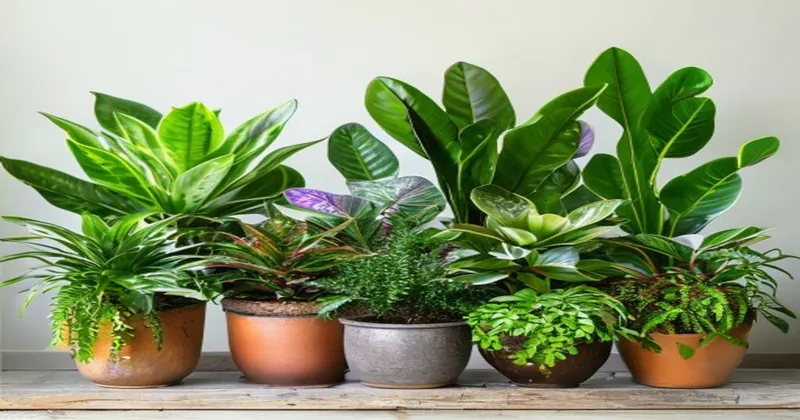
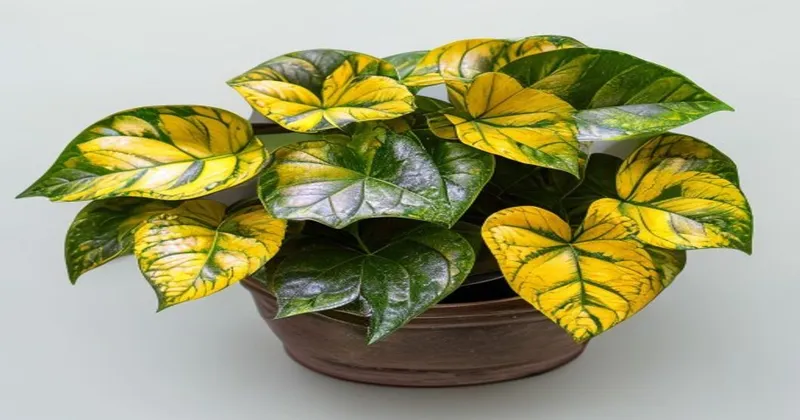
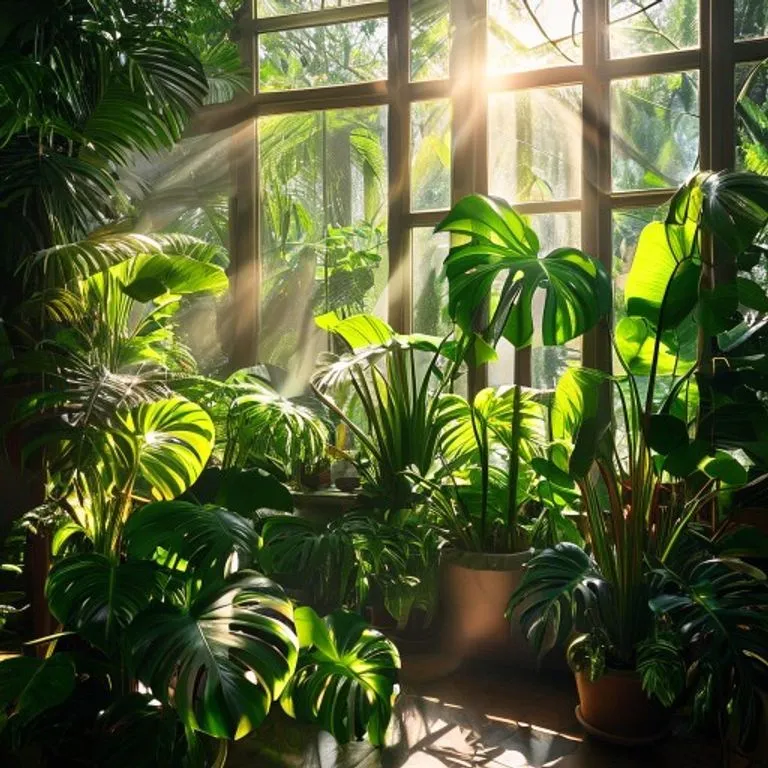
We've all been there - standing in the middle of a garden center, staring longingly at a gorgeous, leafy fern, only to realize your living room gets about as much natural light as a basement cellar. It's a common frustration for apartment dwellers or anyone with north-facing windows who dreams of a lush indoor jungle. You start to think maybe you're just not a "plant person," or that your home is destined to stay dreary and grey simply because the sun doesn't hit your favorite corner.
But here's the secret that seasoned plant parents know: nature is incredibly adaptable. There are plenty of plants that have evolved to live on the forest floor under a thick canopy of trees, meaning they actually prefer the shadows. In this guide, I'm going to share nine of the best low-light houseplants that won't just survive in your dark living room - they'll actually thrive there, turning your "cave" into a sanctuary.
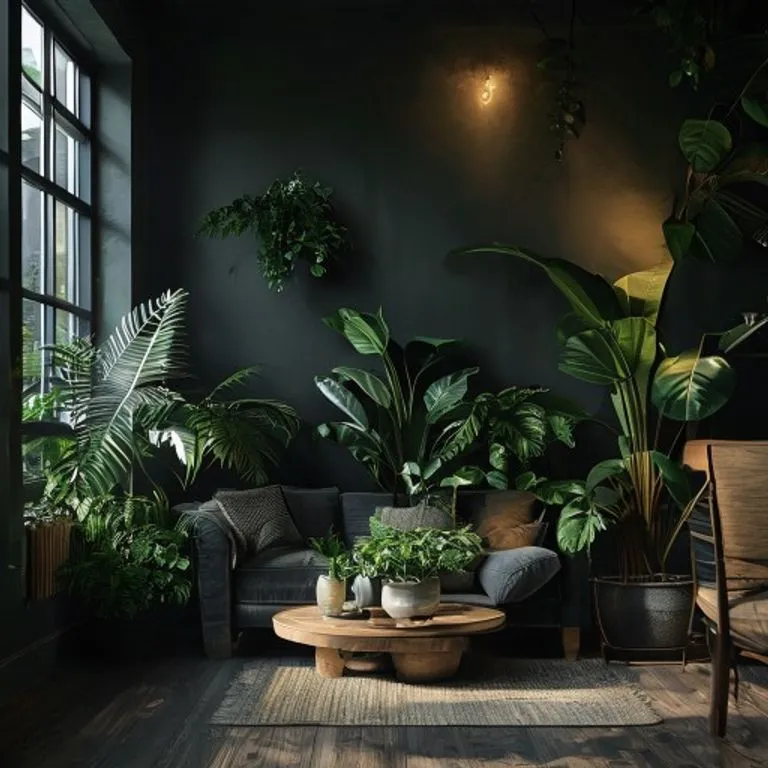
What Does "Low Light" Actually Mean?
Before we jump into the list, let's clear up a common misconception. "Low light" does not mean "no light." Every plant needs some form of light to photosynthesize, but low-light plants are much more efficient at using the limited energy they get.
If you can comfortably read a book in the middle of the afternoon without turning on a lamp, that's usually enough for these hardy varieties. If the room is pitch black 24/7, even these champs will struggle. Think of "low light" as the soft glow of a north-facing window or a spot about ten feet away from a sunny window. These plants are the ultimate survivors of the indoor world.
1. The Indestructible Snake Plant
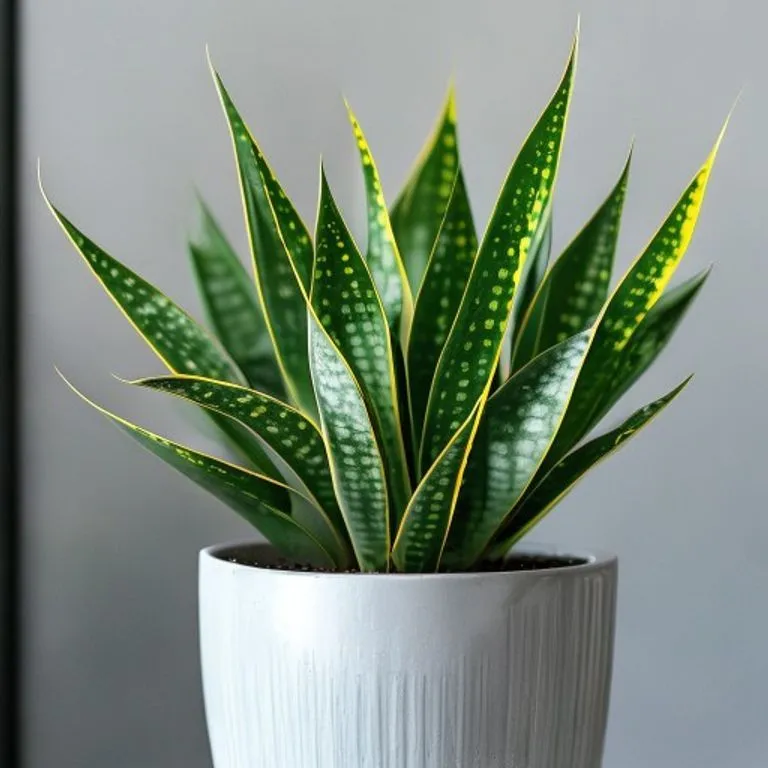
If you have a history of accidental plant homicide, the Snake Plant (Sansevieria) is your new best friend. These plants are famous for their stiff, sword-like leaves that stand tall and proud. They come in various patterns, from deep forest green to variegated edges with splashes of yellow.
What makes them perfect for dark rooms is their slow growth and extreme drought tolerance. They actually prefer to be left alone most of the time. You can ignore them for weeks, and they'll still look just as striking as the day you bought them. Plus, they're known for their air-purifying qualities, which is a nice little bonus for your home's atmosphere.
2. The Glossy ZZ Plant
The ZZ Plant (Zamioculcas zamiifolia) looks so perfect and shiny that people often mistake it for a plastic fake. Its thick, waxy leaves reflect what little light is available, making it sparkle even in a dim corner. It's an incredibly slow grower, which means it won't outgrow its spot too quickly.
This plant is a master at water storage. It has potato-like rhizomes under the soil that hold onto moisture for a rainy day - or rather, for when you forget to water it. It's the ideal choice for a busy professional who wants greenery without the high-maintenance demands. Just keep it out of direct sun, as the leaves can scorch easily.
3. Pothos: The Heart-Leafed Trailer
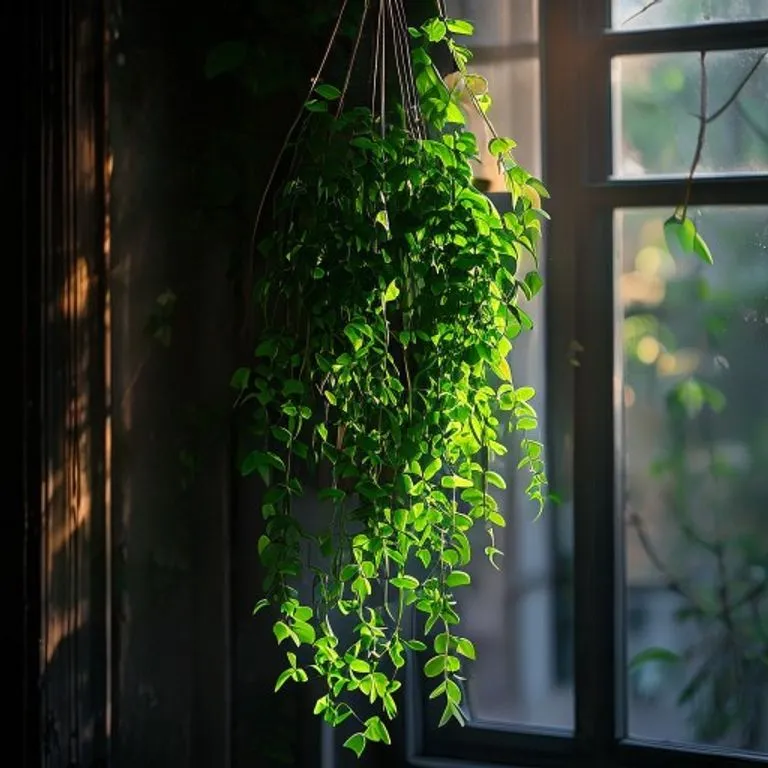
Often called "Devil's Ivy" because it's nearly impossible to kill, the Pothos is a staple for any indoor gardener. It's a trailing plant, which makes it perfect for placing on high bookshelves or in hanging planters. Watching its vines spill down toward the floor adds a sense of vertical life to a room.
Pothos comes in many varieties, like the Golden Pothos or the Marble Queen. While the variegated versions might lose some of their color patterns in very low light, the plant will keep growing. It's also incredibly easy to propagate; just snip a leaf and stick it in water, and you'll have a whole new plant in no time.
4. The Elegant Peace Lily
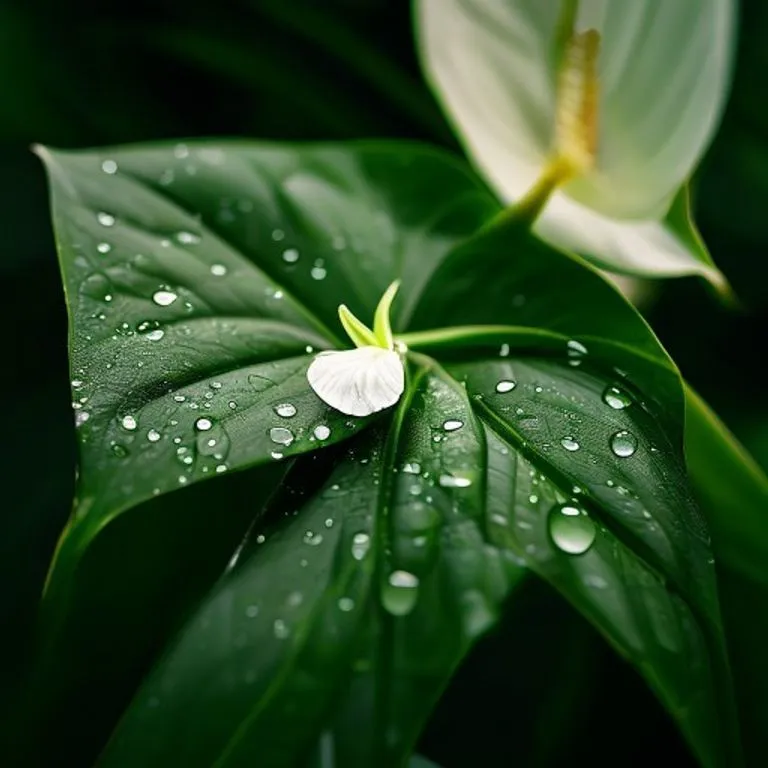
If you want a plant that actually flowers in low light, the Peace Lily is your best bet. Its dark green, glossy leaves provide a beautiful backdrop for its iconic white "blooms" (which are actually specialized leaf bracts). It brings a touch of classic elegance to any space.
Peace Lilies are great because they communicate with you. When they need water, their leaves will dramatically droop, telling you exactly when they're thirsty. Give them a quick drink, and within an hour or two, they'll perk right back up. They do prefer slightly higher humidity, so a quick misting now and then makes them very happy.
5. Cast Iron Plant: The Victorian Classic
The Cast Iron Plant (Aspidistra elatior) earned its name for a reason - it's as tough as nails. Back in the Victorian era, these were some of the only plants that could survive the dark, soot-filled homes of the time. They are virtually indestructible and can handle extreme neglect and very low light levels.
They grow in lovely, wide clumps of dark green leaves that look like they belong in a tropical forest. They don't grow fast, but they are incredibly reliable. If you have a corner that seems to be a "dead zone" for everything else, put a Cast Iron Plant there. It will likely be the one to survive the long haul.
6. Spider Plant: The Gift That Keeps Giving
Spider Plants are fun, quirky, and surprisingly adaptable. They produce long, thin leaves that arch outward, giving them a "spidery" appearance. But the best part is the "pups" or babies that they grow on long stems, which dangle down like little miniature versions of the parent plant.
While they love bright, indirect light, they are surprisingly resilient in darker spots. They help clean the air and are completely non-toxic to cats and dogs, making them a safe choice for pet owners. Plus, you can easily snip off the babies and gift them to friends, making you the most generous plant person in your circle.
7. Parlor Palm
If you want a bit of tropical flair without needing a greenhouse, the Parlor Palm is the way to go. These palms stay relatively small and have delicate, feathery fronds that add a soft texture to a room. They were a status symbol in Victorian "parlors," hence the name.
They are much more tolerant of low light than most other palm varieties, which usually crave the sun. They prefer consistent moisture but don't like to sit in soggy soil. A Parlor Palm in a nice ceramic pot can instantly make a dark living room feel more sophisticated and airy.
8. Aglaonema (Chinese Evergreen)
Aglaonemas are the queens of patterns. They come in a stunning array of colors - from silver and green to vibrant pinks and reds. The darker green varieties are the most tolerant of low light, while the more colorful ones might need just a tiny bit more brightness to keep their hues vivid.
These plants are incredibly sturdy and don't mind a bit of dry air, which is common in homes during the winter. They are compact and look great on coffee tables or sideboards. They are "slow and steady" growers that won't give you any trouble as long as you don't overwater them.
9. Monstera Adansonii (Swiss Cheese Vine)
While the famous large-leaf Monstera Deliciosa needs a fair bit of light to grow those iconic holes, its smaller cousin, the Monstera Adansonii, is much more forgiving. It has smaller, heart-shaped leaves that are naturally full of holes, earning it the nickname "Swiss Cheese Vine."
This plant loves to climb or trail. In a low-light living room, it might grow a bit more slowly, but it will still produce those charming, architectural leaves. It adds a modern, "Pinterest-worthy" vibe to any shelf or mantelpiece without requiring you to install expensive grow lights.
Essential Tips for Low Light Success
Living in the shadows requires a slightly different care routine than life on a sunny windowsill. The biggest mistake most people make is overwatering. Since these plants aren't getting blasted by the sun, the water in their soil evaporates much more slowly. Always stick your finger an inch into the soil before watering; if it feels damp, wait a few more days.
Another pro tip is to keep the leaves clean. Dust acts like a barrier, blocking what little light is available from reaching the plant's surface. Every few weeks, take a damp cloth and gently wipe the leaves. This not only keeps them looking vibrant but also ensures they can "breathe" and photosynthesize as efficiently as possible. Think of it like cleaning the windows of your plant's internal solar panels.
Lastly, don't be afraid to rotate your plants. Every few weeks, give the pot a quarter-turn. This prevents the plant from leaning too far toward the light source and ensures it grows evenly on all sides. It's a simple trick that keeps your indoor jungle looking symmetrical and healthy.
Your living room doesn't need to be a sun-drenched atrium to be a beautiful green space. By choosing the right species and understanding their quiet, low-energy needs, you can bring life into the dimmest corners of your home. Start with one or two of these hardy champions, and you'll soon see that even in the shadows, things can truly flourish.